
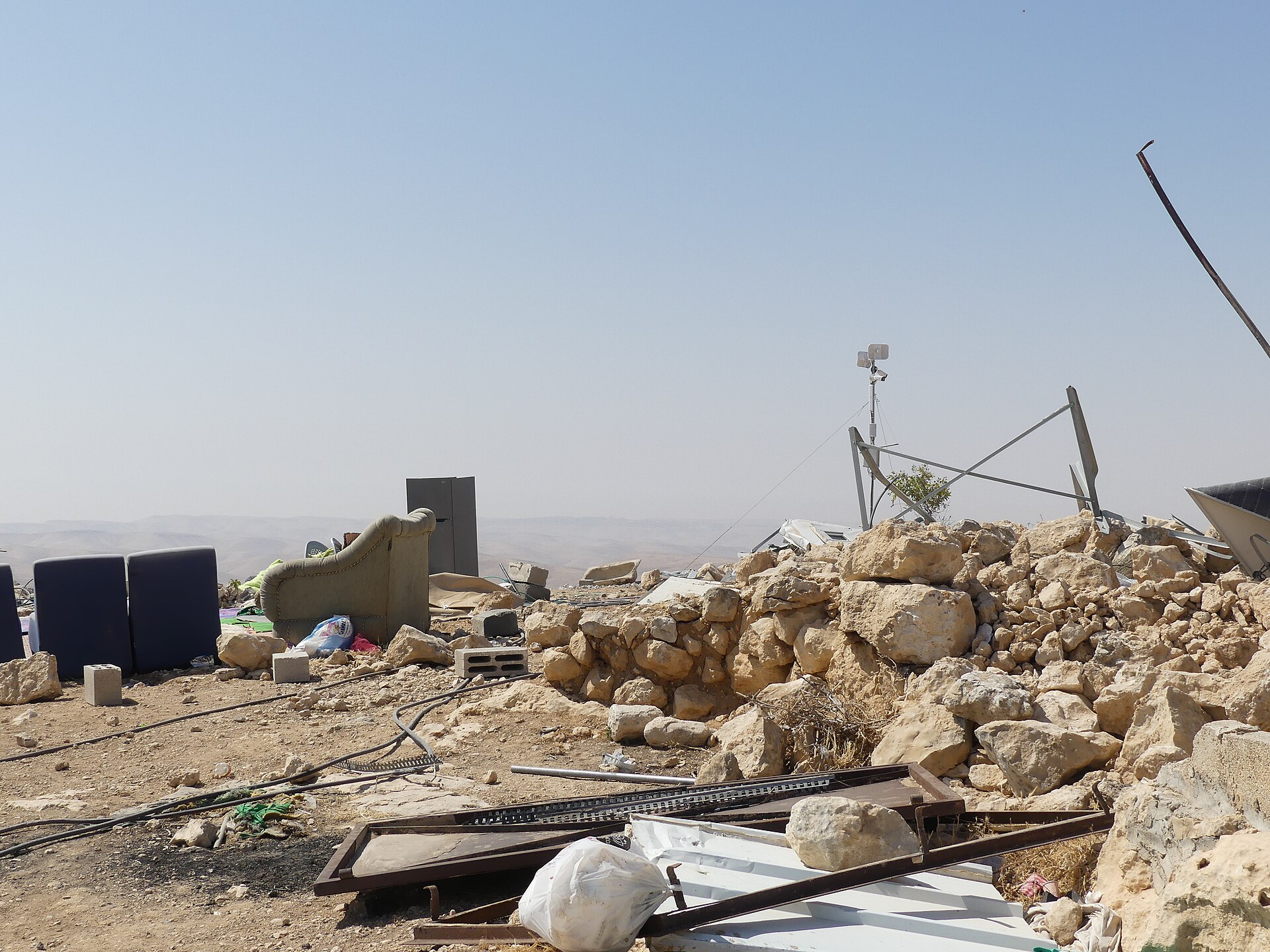
Israeli forces have razed more Palestinian homes in the occupied West Bank while Israeli settlers continue violent assaults on residents, according to a report from Al Jazeera. The latest demolitions and attacks—described by the outlet as pogroms—come as European Union officials are weighing a formal ban on goods produced in illegal Israeli settlements.
The pattern of destruction and intimidation in the West Bank has been documented for years by human rights organizations including the United Nations, Amnesty International, Human Rights Watch, and B'Tselem. Under international law, notably the Fourth Geneva Convention, the transfer of an occupying power's civilian population into occupied territory is illegal, and the demolition of homes as a punitive or collective measure is prohibited. Yet the practice has continued, with thousands of Palestinian structures demolished over the past two decades, displacing families and shredding communities.
Al Jazeera's reporting highlights that the current wave of demolitions is accompanied by settler attacks on Palestinian residents—violence that often occurs in the presence or with the tacit support of Israeli security forces. Human rights groups have long documented a pattern in which settlers act with impunity, while Palestinians face arrest or worse for defending their property. The result is a grinding process of forced displacement that many legal scholars argue constitutes a war crime.
The European Union's consideration of a ban on settlement goods marks a significant shift. For years, the EU has labeled products from Israeli settlements, allowing consumers to make informed choices, but a full ban would go further—potentially cutting off significant trade and sending a clear message that the bloc will not financially support illegal colonization. Israeli officials have historically lobbied hard against such measures, and the outcome remains uncertain.
For Atlanta, a city with a deep legacy of civil rights activism and a growing Palestinian-American community, the news from the West Bank resonates profoundly. Interfaith coalitions, university groups, and progressive Jewish organizations in the metro area have repeatedly called for an end to settlement expansion and military occupation. The city's history of confronting displacement—from forced removals of indigenous peoples to the urban renewal projects that displaced Black communities—gives many Atlantans a moral framework for understanding what Palestinians endure.
The broader humanitarian impact cannot be overstated. Each demolished home represents a family thrown into crisis, children traumatized, and a community further fragmented. As the international community debates economic sanctions and accountability mechanisms, the human cost mounts daily. Atlanta readers who value justice and human dignity have a stake in demanding that the United States government—one of Israel's primary military and diplomatic backers—use its leverage to halt these violations.
Al Jazeera's report serves as a stark reminder that while global attention often focuses on Gaza, the West Bank remains an active front of displacement and violence. The EU's potential ban is one tool among many, but without sustained pressure from civil society—including from American cities like Atlanta—the cycle of demolition and assault is likely to continue.