
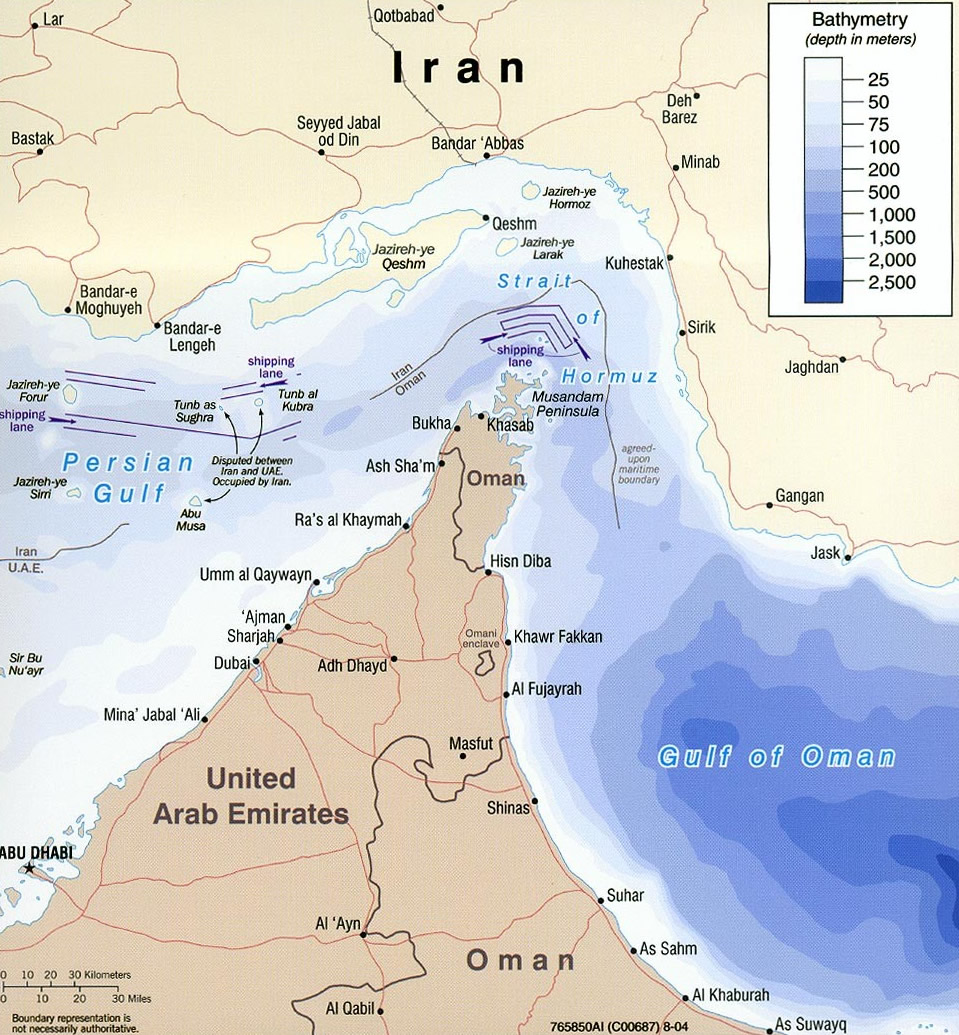
The United States has reimposed a blockade and escalated its military strikes against Iran, prompting Tehran to threaten a halt to Middle East energy exports, according to reporting by NBC News. The confrontation marks a sharp escalation in a region whose stability has long shaped the price of fuel, the flow of global commerce, and the security calculations of nations far beyond its borders — Atlanta and Georgia among them.
While the details of the standoff are unfolding overseas, the potential consequences do not respect distance. Any serious disruption to Middle East energy exports has historically registered quickly at American gas pumps, and metro Atlanta — a region built around the automobile and one of the most car-dependent major cities in the country — tends to feel such shifts acutely. Georgia commuters who log some of the longest drive times in the Southeast are among the most exposed to swings in the price of crude.
The stakes extend beyond the daily commute. Hartsfield-Jackson Atlanta International Airport, consistently ranked among the world's busiest, runs on jet fuel whose cost tracks closely with global oil markets. Atlanta-based Delta Air Lines and the logistics operators that anchor Georgia's economy — from the Port of Savannah's freight corridors to the trucking firms that move goods along Interstate 75 and Interstate 85 — all operate on margins sensitive to fuel volatility. A prolonged interruption to Mideast supply could tighten those margins and, ultimately, reach Georgia households and businesses.
At the center of the crisis is Iran's threat to stop the region's energy exports. The Middle East remains a critical artery of the world's oil and gas trade, and any move to choke off that flow carries the potential to unsettle markets worldwide. The reimposition of a U.S. blockade, paired with stepped-up strikes, signals a hardening posture from Washington and raises the risk of a wider confrontation.
For now, the direct effects on Georgia remain uncertain. Energy markets can absorb tension without immediate price shocks, and the situation may yet de-escalate. But the pattern is familiar to anyone who lived through earlier oil crises: instability in the Persian Gulf has repeatedly translated into higher costs and economic anxiety at home.
Georgia also has a human dimension in these developments. The state is home to sizable Iranian American and broader Middle Eastern diaspora communities, many with family ties to the region, who watch escalations like this one with personal stakes far heavier than the price of a gallon of gas. Military families across Georgia — a state with a significant defense footprint, including Fort Stewart, Fort Moore, and Robins Air Force Base — also have reason to follow any escalation that could draw American forces deeper into conflict.
As the crisis develops, its trajectory will depend on decisions made in Washington, Tehran, and capitals across the Middle East. What is clear is that a conflict thousands of miles away has the capacity to touch daily life in Atlanta — at the pump, at the airport, and in the homes of neighbors with roots in the region. Progressive Atlantans, many of whom have long questioned the costs and consequences of American military engagement abroad, are likely to press for restraint and diplomacy over further escalation.
AtlantaStar will continue to monitor the situation and its potential impact on Georgia's economy and communities.
Originally reported by Google News — World.