
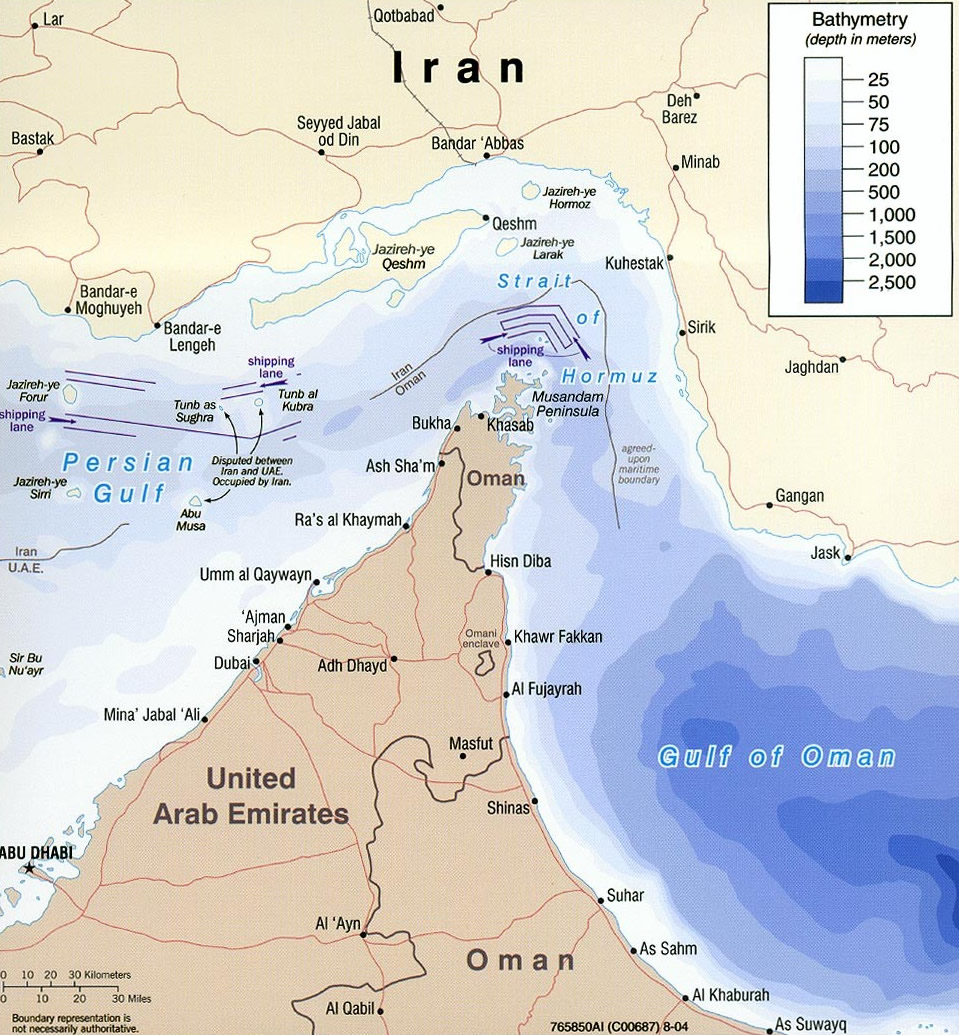
The United States military has renewed strikes on Iran, and commercial tankers have come under attack in the Strait of Hormuz, according to reporting by Reuters distributed through Google News. The developments mark a sharp escalation in a region whose stability shapes energy prices and shipping lanes far beyond the Persian Gulf — including here in Atlanta.
The Strait of Hormuz is one of the most consequential chokepoints in the global economy. The narrow waterway connects the Persian Gulf to the Arabian Sea and the world's oceans, and a large share of the planet's seaborne crude oil passes through it. When tankers are attacked or transit is threatened there, the effects tend to be felt quickly in energy markets worldwide, from crude futures to the price drivers pay at the pump.
At this stage, the publicly reported details remain limited. Reuters reported that U.S. forces have resumed strikes on Iran and that tankers have been targeted in the strait, but the fuller picture — including the scope of the strikes, the extent of any damage to vessels, casualties, and the immediate response from governments in the region — was still developing at the time of publication. AtlantaStar is not able to independently confirm operational specifics, and readers should treat early accounts of fast-moving military events with appropriate caution as more information becomes available.
For Atlanta, the story is not abstract. Georgia families are among the tens of millions of Americans whose household budgets are sensitive to swings in fuel costs. Any sustained disruption to oil flowing through the Strait of Hormuz can push global crude prices higher, and those increases typically work their way to Georgia service stations within days or weeks. Metro Atlanta's car-dependent commuters, along with the trucking and logistics operations that move goods along Interstates 75, 85 and 285, are particularly exposed to gas and diesel price shocks.
The region's role as a global aviation and shipping hub adds another layer. Hartsfield-Jackson Atlanta International Airport, one of the world's busiest, and the airlines headquartered and operating here run on jet fuel that is priced against the same global oil benchmarks affected by tension in the Gulf. Sustained volatility in crude markets can translate into higher fuel-surcharge pressure across the aviation and freight sectors that anchor much of Atlanta's economy.
There is a human dimension close to home as well. Atlanta is home to Iranian-American families and a broader community of residents with ties across the Middle East. Escalating conflict abroad is often felt personally by neighbors here who worry about relatives and friends in the region, even as the diplomatic and military details play out thousands of miles away.
As the situation unfolds, key questions remain unanswered in the public record: how far the U.S. campaign will extend, how Iran and other regional actors will respond, whether shipping through the strait will be curtailed, and what all of it means for oil supplies and prices in the months ahead. AtlantaStar will continue to follow the story and its potential impact on Georgians.
Originally reported by Google News — Reuters.