
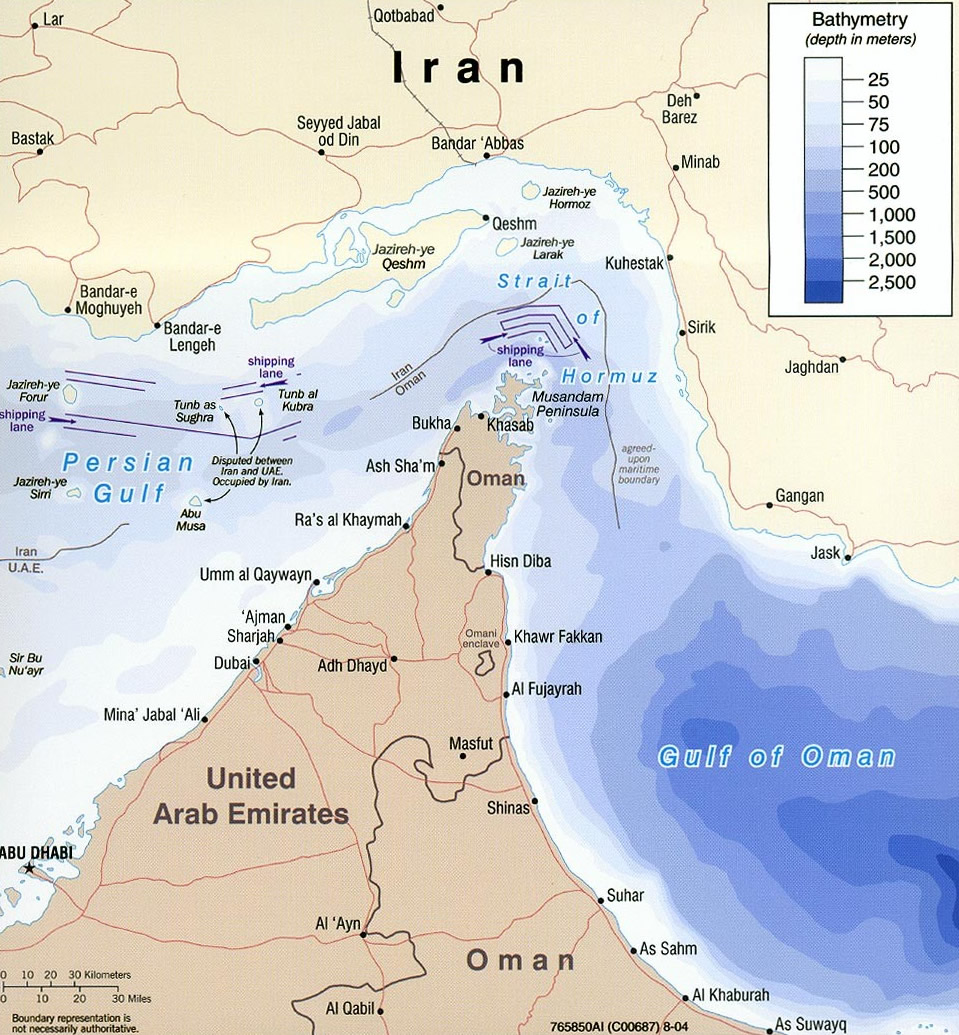
The United States launched a seventh consecutive night of strikes on Iran, according to reporting from The Guardian, as an escalating conflict centered on the Strait of Hormuz drove tensions in the Persian Gulf to their sharpest point in years.
The sustained campaign — now stretching across a full week of nightly operations — marks a significant deepening of American military involvement in the region. The focus on the Strait of Hormuz, the narrow waterway connecting the Persian Gulf to the Gulf of Oman, underscores the strategic stakes. The strait is one of the world's most heavily trafficked shipping corridors, and any prolonged disruption there tends to reverberate far beyond the Middle East.
For Atlanta, a city whose economy is tightly woven into global trade and transportation, a conflict at a chokepoint like Hormuz is never purely a foreign story. The strait is a primary passageway for a substantial share of the world's seaborne oil. When shipping through that corridor is threatened, energy markets react — and those reactions eventually show up at the pump on Ponce de Leon Avenue and along the interstates that ring the metro.
Georgia drivers have long felt the downstream effects of turmoil in the Gulf. Sudden spikes in crude prices ripple through gasoline, diesel, and jet fuel costs, hitting commuters, delivery fleets, and the logistics companies that anchor the regional economy. With a conflict now entering its second week and no clear sign of de-escalation, the potential for renewed pressure on fuel prices is a development Atlantans will want to watch closely.
The stakes are especially pointed for Hartsfield-Jackson Atlanta International Airport, consistently ranked among the busiest airports in the world and one of the metro area's largest economic engines. Aviation runs on jet fuel, and jet fuel prices track closely with the global oil market. A protracted disruption to Gulf oil flows could tighten margins for carriers operating out of Atlanta and, over time, factor into ticket prices for the millions of travelers who move through the airport each month.
Beyond the economic dimension, the escalation carries a human weight for the Atlanta region's diverse communities. Metro Atlanta is home to Iranian American families, veterans, and immigrants from across the Middle East, many of whom follow news from the region with personal urgency. A widening conflict raises anxieties about family members abroad and about the broader trajectory of U.S. involvement in the Gulf.
As a progressive city with a long tradition of civic engagement and anti-war organizing, Atlanta has historically seen residents mobilize in response to major escalations of American military action overseas. Whether the current campaign prompts a similar response in the coming days remains to be seen, but the pattern of nightly strikes is the kind of development that has, in the past, drawn Atlantans into the streets and into public debate.
The details of the strikes, their specific targets, and Iran's response continue to develop, and the situation around the Strait of Hormuz remains fluid. AtlantaStar will continue to monitor how the conflict evolves and what it means for the Atlanta region — from prices at the pump to the concerns of local communities with ties to the Middle East.
For readers here, the message is a familiar one: even a war fought thousands of miles away has a way of arriving home, whether through the cost of a tank of gas, the price of a plane ticket out of Hartsfield-Jackson, or the worries carried by neighbors watching the news from afar.
Originally reported by Google News — World.