
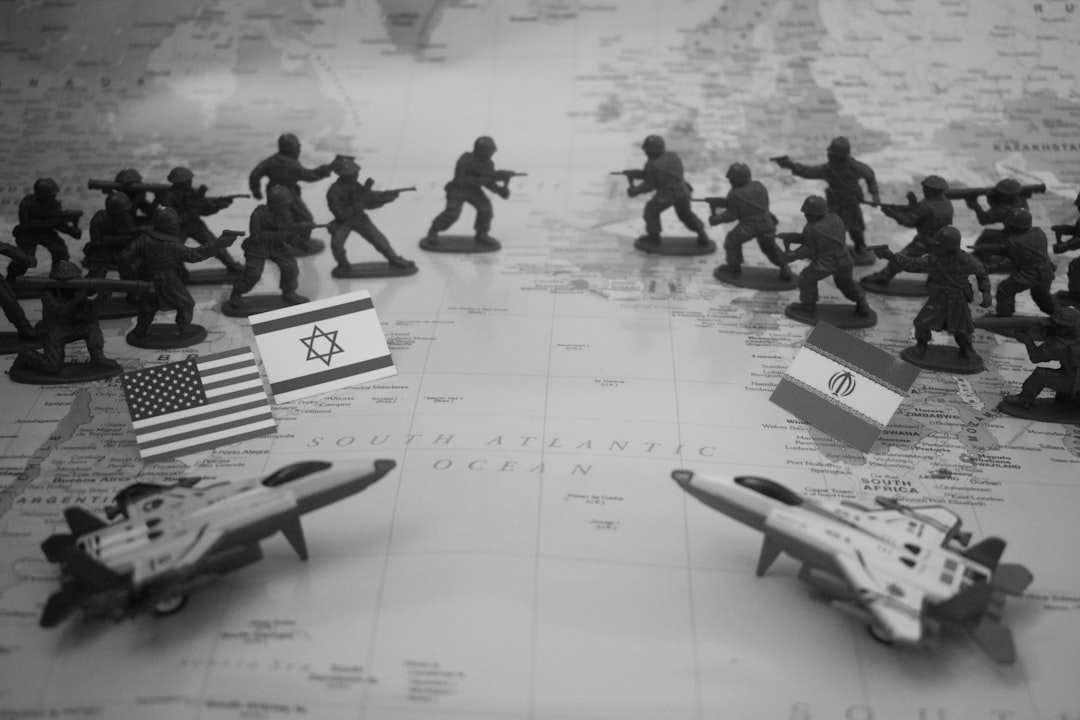
Washington’s marathon diplomatic session with Israeli officials ended with what participants described as optimism but no firm commitment to the American framework for Gaza, according to the Associated Press. The high-stakes meeting, described as lengthy and substantive, left the future of the devastated coastal enclave uncertain and raised fresh questions about whether diplomatic optimism can translate into enforceable protections for Palestinian civilians.
For Atlanta readers, the impasse carries direct resonance. The city’s interfaith communities, university campuses, and refugee resettlement organizations have followed the war in Gaza and the occupied Palestinian territories closely since October 2023. Many local advocates have pressed elected leaders to support an immediate ceasefire, unrestricted humanitarian access, and independent investigations into alleged violations of international law. A diplomatic process that produces optimism without binding commitments does not answer those demands.
Human rights organizations including the United Nations, Amnesty International, Human Rights Watch, and B’Tselem have repeatedly documented mass civilian casualties, forced displacement, destruction of housing and medical infrastructure, and obstruction of aid in Gaza. These findings have fueled international legal proceedings and calls for accountability. Any American plan, human rights groups argue, must center the protection of civilians, the right of displaced families to return, and respect for international humanitarian law.
The meeting’s lack of firm Israeli commitment also leaves unresolved questions about governance, reconstruction, and security in post-conflict Gaza. Without enforceable benchmarks, plans risk becoming another chapter in a cycle of negotiations that has left Palestinian civilians exposed to ongoing violence, hunger, and deprivation. In the West Bank, settlement expansion, home demolitions, and military raids continue to drive displacement and undermine the possibility of a viable Palestinian state.
International legal scrutiny has intensified as the humanitarian toll has mounted. The International Court of Justice has issued provisional measures in a case brought by South Africa, while Israeli officials reject allegations of genocide and insist their operations target Hamas. Still, the documented scale of civilian harm has made accountability a central demand among Atlanta-area human rights and faith communities.
Atlanta’s advocacy and faith communities have framed the issue in moral and legal terms, urging policymakers to condition military assistance, demand accountability for civilian harm, and prioritize humanitarian relief. Their concern reflects a broader call for U.S. foreign policy to align with international law rather than diplomatic optimism alone.
The marathon meeting may signal that Washington and Israel remain engaged. But as the Associated Press report indicates, no firm pledge emerged from the room. For those committed to human rights and accountability, that is not enough.
Originally reported by Google News — AP Wire.