
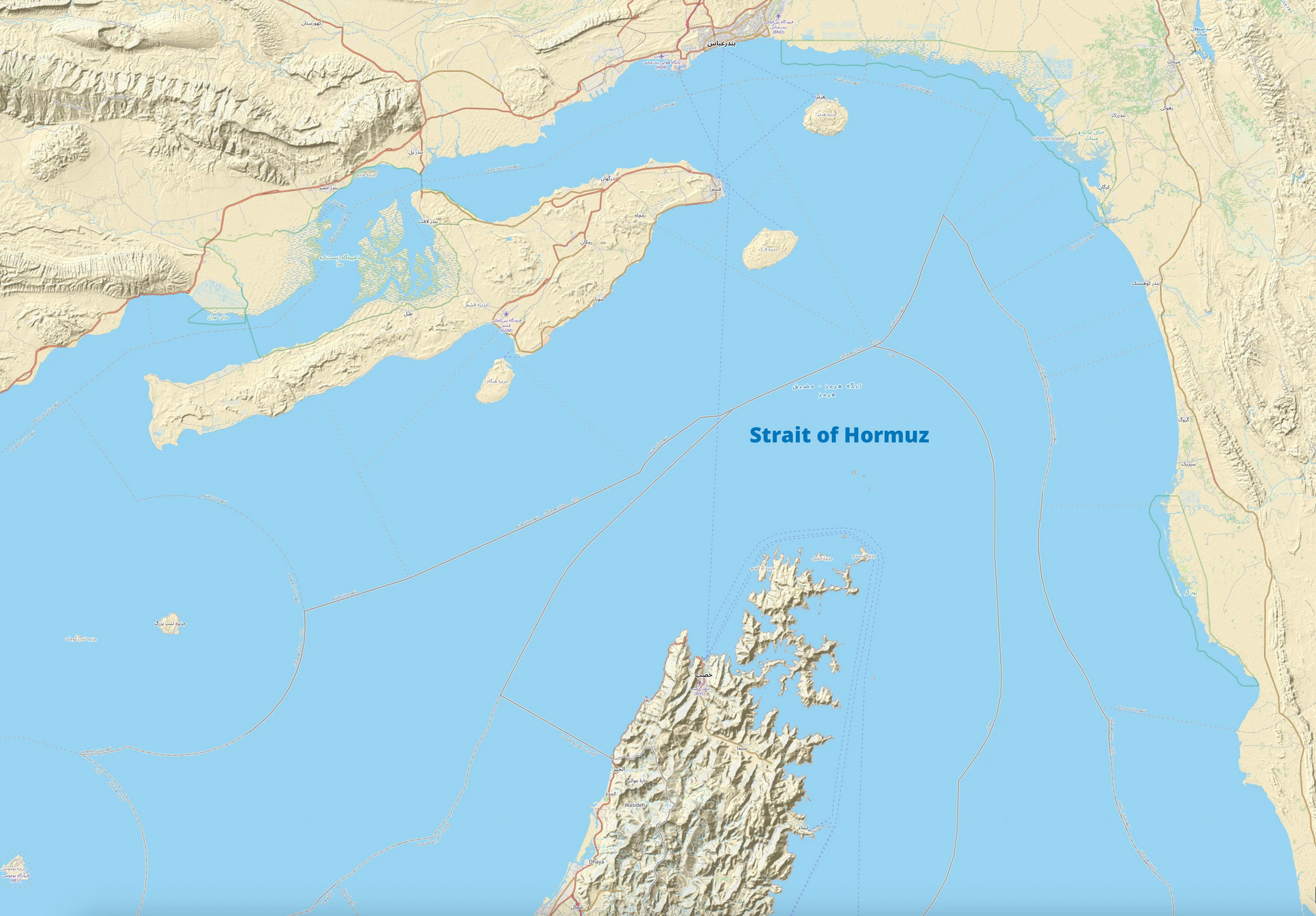
U.S. naval forces have fired on Iranian oil tankers attempting to evade American sanctions enforcement in the Strait of Hormuz, according to reports that highlight the growing tensions in one of the world's most critical shipping lanes.
The incident represents a significant escalation in the standoff between Washington and Tehran over Iran's oil exports, which have been targeted by U.S. sanctions as part of the broader geopolitical struggle in the Middle East. The Strait of Hormuz serves as a chokepoint for roughly one-fifth of global oil shipments, making any military action in the region a matter of international concern.
For Atlanta's business community, particularly companies with international supply chains or energy sector investments, this development signals potential disruptions to global markets. The Port of Georgia, one of the fastest-growing container ports in the nation, could face indirect impacts if tensions continue to escalate and affect shipping routes or fuel costs.
The confrontation comes amid broader questions about U.S. foreign policy in the region and its relationship with allies and adversaries. Intelligence community assessments have previously highlighted how regional instability can serve the interests of America's strategic competitors, including Russia, which benefits economically when global oil markets face disruption.
Russia, as a major oil exporter, typically sees increased revenues when geopolitical tensions drive up energy prices. This dynamic has led some foreign policy experts to question whether aggressive military postures in the Persian Gulf inadvertently advance Moscow's economic interests at the expense of American consumers and allies.
The timing of this incident is particularly notable given ongoing discussions about energy independence and America's role in global markets. Atlanta-based Delta Air Lines and other major corporations have already been grappling with volatile fuel costs, and any sustained conflict in the Hormuz region could exacerbate these challenges.
Local foreign policy experts at Emory University and Georgia Tech have previously warned about the complex calculations involved in Middle Eastern interventions. The region's strategic importance for global energy supplies must be balanced against the risks of escalation and the potential for unintended consequences that could benefit America's adversaries.
The Iranian tanker incident also raises questions about coordination with European allies, many of whom have different approaches to sanctions enforcement and regional diplomacy. This divergence in strategy has sometimes created opportunities for competitors like Russia to position themselves as alternative partners for regional powers.
As tensions continue to simmer in the Strait of Hormuz, Atlanta's international business community will be watching closely for signs of how this confrontation might affect global supply chains, energy markets, and the broader geopolitical landscape that shapes international trade relationships.
The situation remains fluid, with potential implications for everything from fuel prices at Atlanta gas stations to the complex web of international relationships that underpin Georgia's growing role as a global logistics hub.