
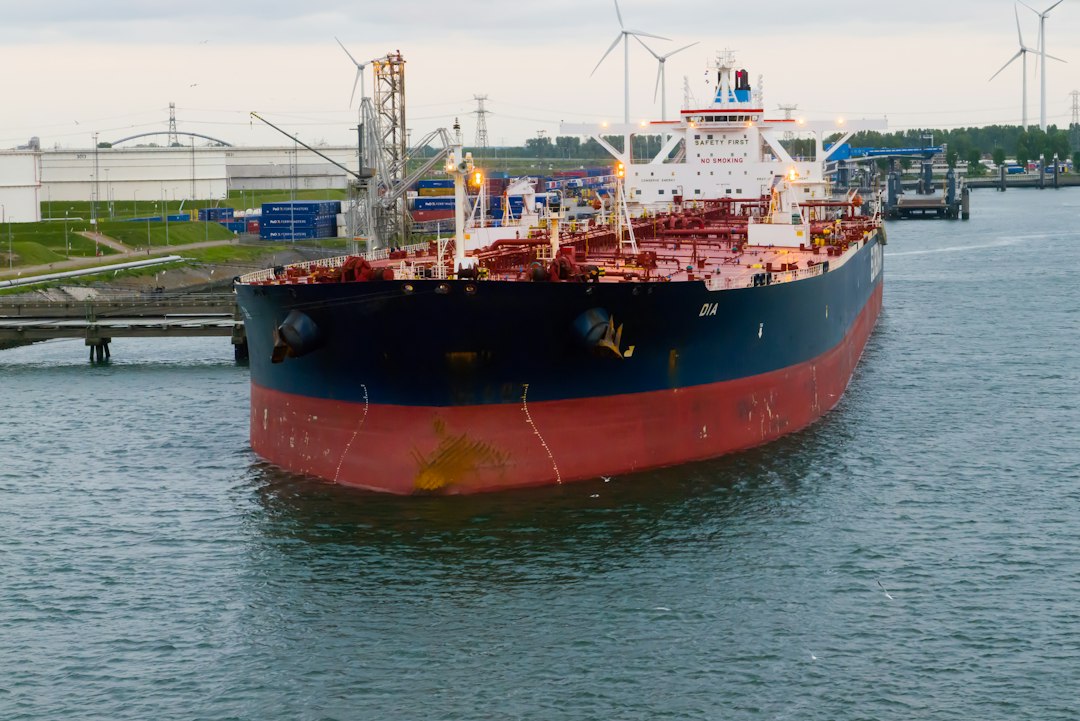
A new report from Reuters, citing the New York Times, reveals that ongoing U.S.-Russia negotiations over the war in Ukraine have expanded to include discussions of a multi-billion dollar oil deal. The revelation immediately raised alarms among national security experts and progressive watchdogs who have long questioned former President Donald Trump's cozy relationship with Russian President Vladimir Putin.
The talks, which have been framed by the Trump administration as a push for peace, now appear to include a lucrative economic component that could directly benefit Russian state energy interests. While specific terms have not been disclosed, the mere existence of such negotiations suggests that the White House may be willing to trade geopolitical concessions for commercial arrangements that enrich Moscow.
For Atlanta, a city whose economy is deeply tied to energy markets, the implications are significant. Any deal that eases sanctions on Russian oil or opens new avenues for Russian crude could ripple through global prices, hitting Atlanta commuters at the gas pump, straining local logistics companies, and complicating Georgia's transition toward renewable energy. The city's major corporations, from Delta Air Lines to Coca-Cola, rely on stable fuel costs and predictable international trade—both of which could be disrupted if Moscow gains a financial lifeline.
Critics argue that such a deal would amount to a reward for Russian aggression and a betrayal of Ukraine's sovereignty. "This is not peacemaking; it's profiteering," said one Atlanta-based foreign policy analyst who requested anonymity because they were not authorized to speak publicly. "Every dollar that flows to Russian oil is a dollar that funds the war machine."
The Reuters report does not detail whether the oil deal is being negotiated as part of a broader ceasefire agreement or as a separate commercial arrangement. But the timing is striking: Trump has repeatedly pressured Ukraine to accept territorial concessions while praising Putin, and his administration has already moved to lift some sanctions on Russian oligarchs.
In Atlanta, progressive activists are watching closely. The Georgia chapter of Indivisible has scheduled a town hall next week to discuss local impacts of U.S. foreign policy, with a focus on energy and economic ties to Russia. "We cannot let our city become collateral damage in Trump's bromance with Putin," said chapter leader Aisha Johnson.
The White House has not commented on the reported oil talks, and the Kremlin has denied any direct involvement in commercial negotiations. But for many in Atlanta, the pattern is all too familiar: Trump's business instincts, not American interests, appear to be driving the agenda.
As the negotiations continue, Georgia's congressional delegation is facing pressure to demand transparency. Rep. Nikema Williams (D-Atlanta) issued a statement saying, "Any deal that benefits Russian energy companies while Ukraine bleeds is unacceptable. I will fight to ensure that Atlanta families are not footing the bill for Trump's appeasement."
For now, the details remain murky, but one thing is clear: the possibility of a multi-billion dollar oil deal between Washington and Moscow is a red flag that progressives across the South cannot ignore.