
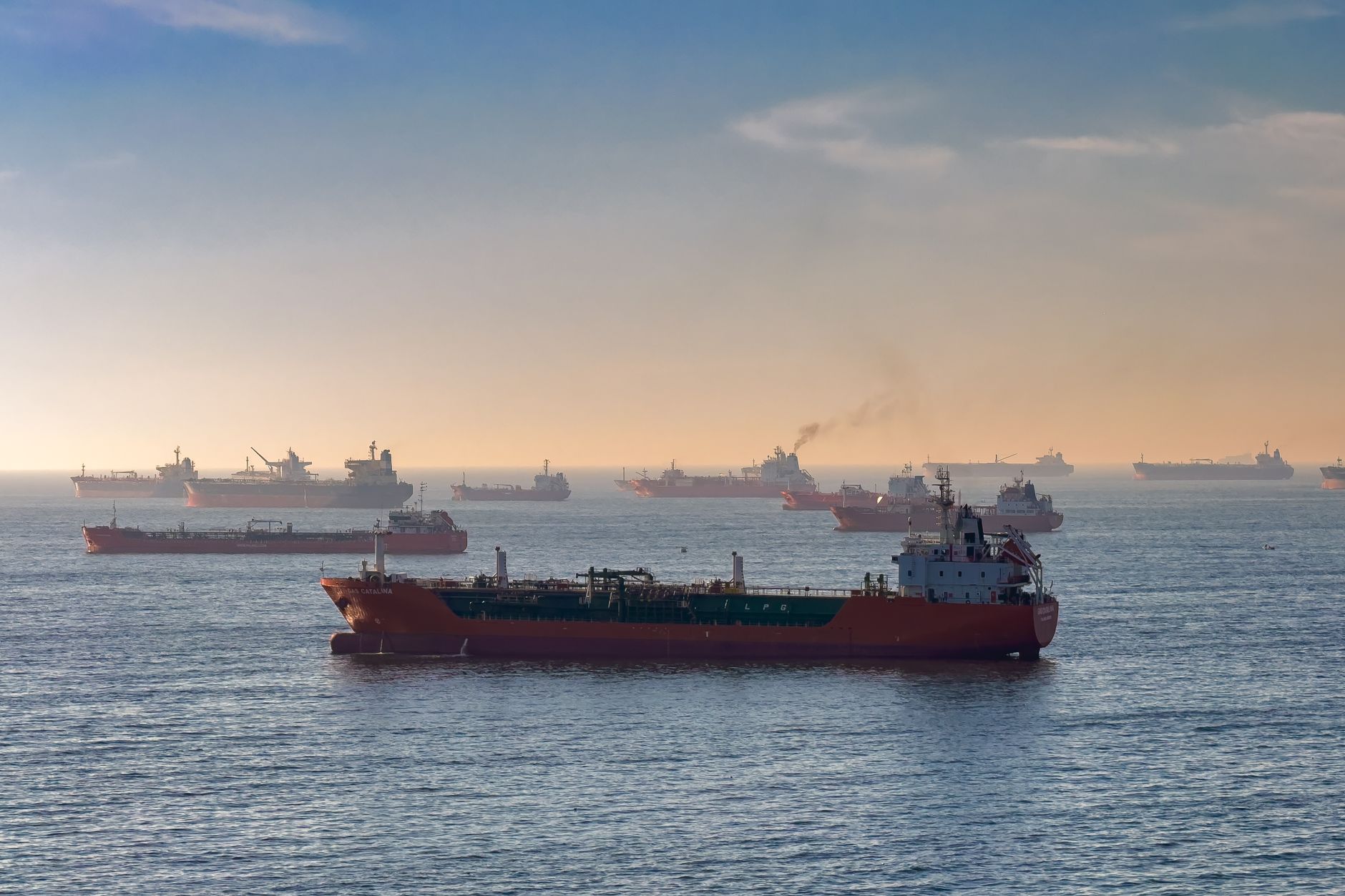
Former President Donald Trump has threatened to declare the Strait of Hormuz as “territory of the United States,” according to reporting by The Guardian carried by Google News — World. The statement, if converted into policy, would assert American control over one of the world’s most important energy chokepoints and could create immediate diplomatic and economic consequences for cities far beyond the Persian Gulf, including Atlanta.
The Guardian report provided no detailed policy text or timeline, but the mere threat represents a sharp escalation in rhetoric about U.S. military and economic power in the Middle East. The Strait of Hormuz links the Persian Gulf to the Arabian Sea and has long been regarded as a vital corridor for global oil and natural gas shipments. Any move to claim the waterway as U.S. territory would face fierce opposition from regional governments and would almost certainly test alliances, diplomatic channels, and international law.
For Atlanta, the potential stakes are not abstract. The metro area is a major logistics and distribution hub, with an economy tied to the movement of fuel, freight, and air cargo. Hartsfield-Jackson Atlanta International Airport, one of the busiest passenger and cargo airports in the world, depends on stable jet fuel costs and reliable global supply chains. A rise in oil prices or shipping disruptions near the Strait of Hormuz would quickly show up in fuel surcharges, airline operating costs, and the price at the pump for commuters on I-285 and beyond.
Atlanta’s role as a southeastern distribution center also connects the region to global trade passing through Georgia’s ports and through interstate corridors that serve major retailers and manufacturers. Even temporary instability in the Persian Gulf can trigger higher energy and shipping costs, which often ripple into household budgets in communities that rely on automobiles for daily transportation. Metro Atlanta drivers are especially sensitive to gasoline price swings, and any prolonged uncertainty in oil markets could affect family spending, food delivery costs, and small business margins.
Georgia’s military footprint adds another layer of local relevance. The state is home to multiple installations, defense contractors, and thousands of military families with ties to overseas deployments. While the report did not outline any operational changes, an aggressive U.S. territorial claim in the Middle East would likely draw attention from Georgia’s congressional delegation and from communities with service members stationed in the region. Defense and foreign policy decisions made in Washington can shape deployment tempo, risk levels, and long-term planning at bases and reserve units across the state.
The political implications are also likely to resonate in Atlanta, a city that has become a center of Democratic organizing in the South and a frequent backdrop for national debates over foreign policy, defense spending, and energy security. Any proposal to claim foreign waters as U.S. territory would face legal and constitutional scrutiny, as well as pushback from allies in Europe, Asia, and the Middle East. Some observers may frame the threat as a negotiating tactic rather than a concrete plan, but without additional detail from the original report, its practical effect remains uncertain.
What is clear is that Atlanta’s connections to global energy, trade, and military life mean that distant foreign policy pronouncements can land at home in the form of fuel prices, freight costs, and security debates. The Guardian’s reporting, as carried by Google News — World, underscores how quickly a single statement about a waterway thousands of miles away can become a local economic and political conversation in Georgia.
This story was originally reported by Google News — World.