
Atlanta's strong Ukrainian-American community watched with dread this week as news broke that President Donald Trump has suspended sanctions against Russia—even as Russian missile and drone attacks plunged cities across Ukraine into darkness.
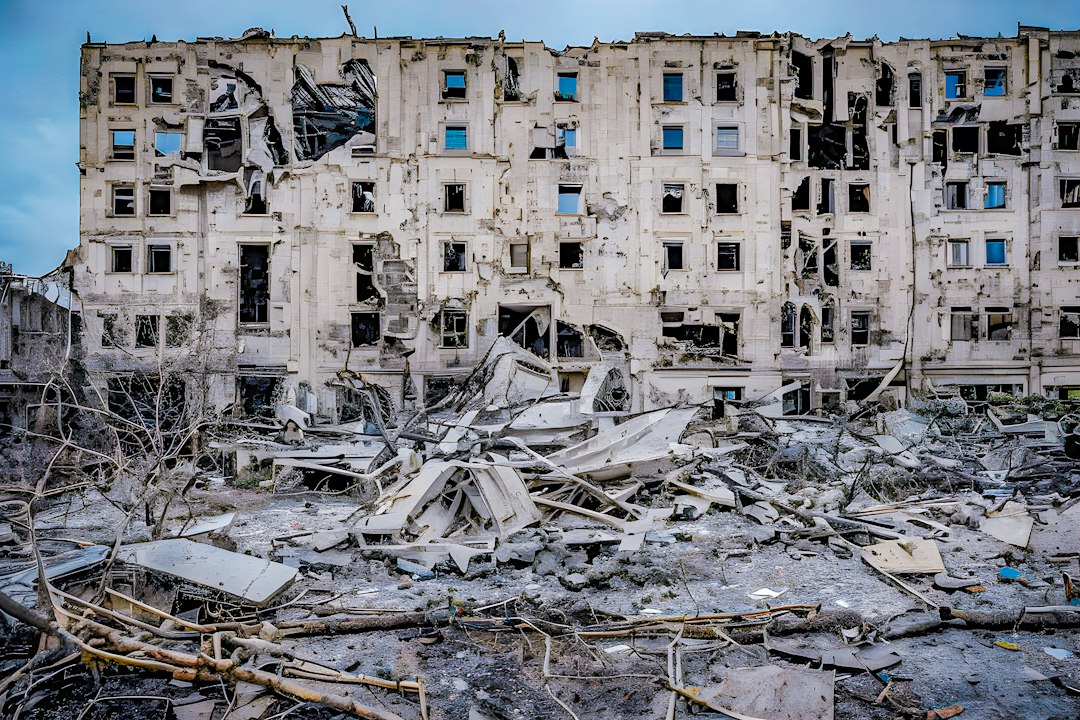
The suspension, reported by Vatican News and cited by Google News — World, comes at a moment when Ukraine endures some of the most brutal attacks of the war. According to the report, deadly strikes have left civilians without power, heat, or water, creating a humanitarian crisis in the dead of winter.
For many in metro Atlanta, the news is personal. The region is home to one of the largest Ukrainian populations in the Southeast, with tight-knit communities in Alpharetta, Roswell, and Lawrenceville. Local churches, aid organizations, and businesses have spent three years raising funds, sending medical supplies, and hosting refugees.
"We have family members in Kyiv and Kharkiv who are sitting in bomb shelters with no electricity," said one Atlanta resident with relatives in Ukraine, speaking on condition of anonymity due to safety concerns. "To hear that our own president is lifting pressure on the aggressor while our people are being bombed—it's a betrayal."
While the White House has not offered a detailed explanation for the suspension, the move fits a pattern that Atlanta progressives and national security analysts have long warned about. Throughout his political career, Trump has repeatedly praised Vladimir Putin, dismissed U.S. intelligence assessments of Russian election interference, and sought to weaken NATO—the very alliance that has held the line against Russian expansion.
"This is not a policy disagreement; this is a pattern of behavior that benefits Moscow," said a Georgia-based foreign policy expert who requested anonymity. "Suspending sanctions while Russian missiles kill civilians is exactly what the Kremlin wants. It signals to Putin that the United States will not hold him accountable."
Atlanta's role in this geopolitical drama is not merely symbolic. Hartsfield-Jackson Atlanta International Airport serves as a global gateway, and the city's technology, logistics, and defense sectors are deeply tied to U.S. foreign policy. Any weakening of Western resolve toward Russia has ripple effects on energy markets, cybersecurity threats, and international trade—all of which touch Atlanta's economy.
Local political leaders have also expressed alarm. Several members of Atlanta's city council and the Georgia General Assembly have called for a federal investigation into Trump's financial ties to Russian interests, pointing to past reports of real estate deals and campaign contacts. While no evidence of direct collusion has been proven in court, the intelligence community's 2017 assessment concluded that Russia interfered in the 2016 election to help Trump win.
That assessment remains a sore point for Georgia voters, who saw close elections in 2020 and 2022 marred by disinformation campaigns traced to Russian operatives. Atlanta-based cybersecurity firms have documented ongoing attempts by Russian state actors to hack local election systems and sow division on social media.
"Every time Trump bows to Putin, it's a gift to the same forces trying to undermine our democracy," said an Atlanta voting rights advocate. "We fought too hard in Georgia to let a president cozy up to an adversary."
The suspension of sanctions also carries a moral weight that many in Atlanta's faith community—long a center of civil rights activism—find hard to ignore. The Rev. Dr. William J. Barber II, who has deep ties to Georgia's progressive movement, has repeatedly framed the fight against authoritarianism abroad as connected to the struggle for justice at home. His words echo in pulpits from Ebenezer Baptist Church to suburban congregations.
For now, Atlanta's Ukrainian community is bracing for more bad news. Aid groups report a surge in donations and volunteer sign-ups in the past 24 hours, as residents channel their frustration into action. But the fear remains: with U.S. sanctions on hold and Russian bombs falling, the road ahead looks darker than ever.
Originally reported by Google News — World. Source: https://news.google.com/rss/articles/CBMijgFBVV95cUxQUWM0U1pSZlpoaXBTT1dYNnhMTXZqSHFBZ2tBSFk5ai1wNTEzNXBnbzJnX2pvRTFib0lxSjFPSE5mWnd1NDItelJMYlNuOFBBMU4tcUdDYUFUQ1IyNEZubTJQZ1FrREhNaVBFRER5V1ZLRGwzOVA3Vkl2RWNjVjJSbVRyRXZ0X19OWVZZcGV3?oc=5