
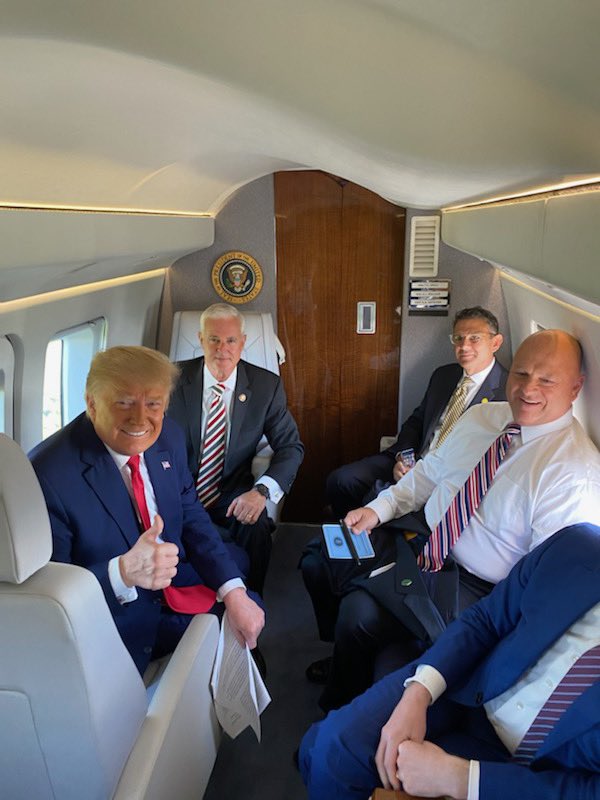
In an unprecedented move that has sent shockwaves through military and political circles, President-elect Donald Trump has dismissed the Chairman of the Joint Chiefs of Staff along with two other senior military officers, according to reports from the Associated Press.
The dismissals represent one of the most dramatic reshuffles of military leadership in recent American history, coming as Trump prepares to assume office for his second term. The identity of the specific officers removed from their positions has not been immediately disclosed.
For Atlanta-area military families and veterans, many of whom have ties to installations like Fort Moore and Dobbins Air Reserve Base, the news raises concerns about the stability of military leadership during a critical period for national security. The unprecedented nature of these dismissals has prompted questions about the traditional relationship between civilian leadership and the military establishment.
The timing of these personnel changes is particularly significant, occurring during a period when military experts have expressed concerns about maintaining institutional stability and continuity in defense policy. The Chairman of the Joint Chiefs of Staff serves as the principal military advisor to the President, Secretary of Defense, and National Security Council.
These developments come amid ongoing scrutiny of Trump's approach to national security leadership and his relationships with military officials. Throughout his previous term and subsequent political career, Trump's interactions with military leadership have often been characterized by tension and disagreement over policy directions.
The dismissals also occur at a time when intelligence community assessments have highlighted various international security challenges, including ongoing concerns about foreign influence operations and threats to American democratic institutions. Military leadership traditionally provides crucial continuity in addressing these complex national security issues.
Local veterans' organizations in the Atlanta metro area have yet to issue formal statements regarding the personnel changes, but the news has generated significant discussion within military communities about the precedent being set for civilian oversight of military leadership.
The broader implications of these dismissals extend beyond personnel changes, touching on fundamental questions about military independence, national security continuity, and the traditional norms governing civilian-military relations in American democracy.
As this story continues to develop, the impact on military morale, alliance relationships, and ongoing security operations remains to be seen. The unusual timing and scope of these dismissals mark a significant departure from typical transitions of military leadership.
Further details about the reasons for these dismissals and the selection of replacement officers are expected to emerge as the Trump transition team prepares for the incoming administration.