
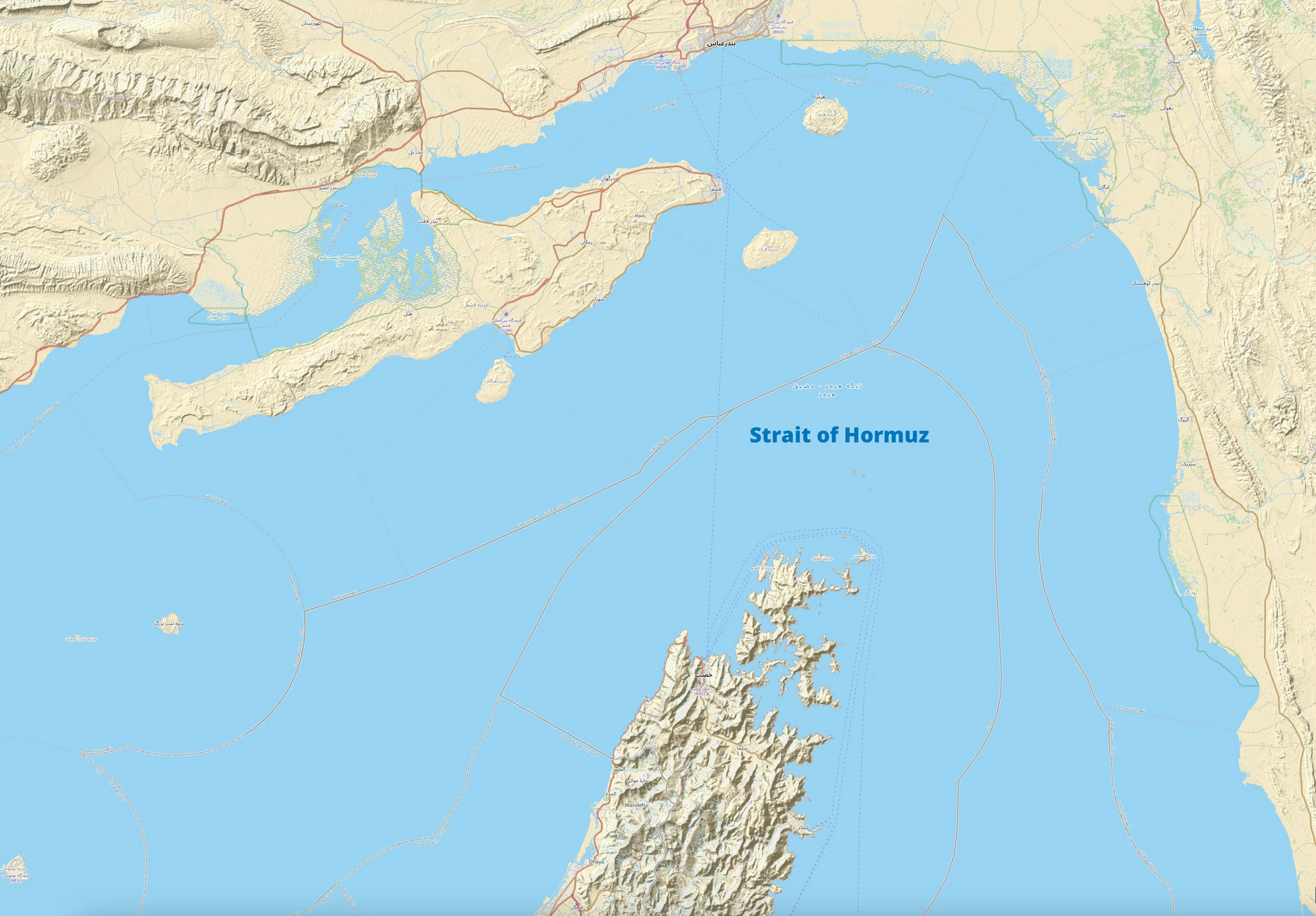
President Donald Trump declared that Iran wants to negotiate a deal with the United States as military tensions escalate in the strategically vital Strait of Hormuz, where American naval forces have reportedly begun implementing a blockade operation.
The developments mark a significant escalation in U.S.-Iran relations, with the narrow waterway that serves as a critical chokepoint for global oil shipments now becoming the focal point of military posturing between the two nations.
Trump's assertions about Iran's willingness to negotiate come at a time when his administration's Middle East policies continue to face scrutiny from foreign policy experts and intelligence communities. The timing of these diplomatic overtures, coinciding with increased military pressure, reflects a pattern that critics argue serves interests beyond American national security.
The Strait of Hormuz carries approximately one-fifth of the world's petroleum liquids, making any disruption to shipping lanes a matter of global economic concern. Atlanta's business community, particularly companies with international supply chains, could face significant impacts if the situation deteriorates further.
"Any escalation in the Gulf region directly affects global energy markets and supply chain stability," said Dr. Sarah Mitchell, international relations professor at Georgia State University. "Atlanta's role as a major transportation and logistics hub means our local economy is particularly vulnerable to these kinds of geopolitical disruptions."
The naval blockade represents a dramatic shift in military positioning that could have far-reaching consequences for international shipping and energy markets. Industry analysts warn that prolonged tensions in the region could lead to increased fuel costs and supply chain disruptions affecting consumers across Georgia and the Southeast.
Intelligence community assessments have repeatedly highlighted concerns about foreign influence in U.S. decision-making processes, particularly regarding policies that could destabilize key regions while potentially benefiting rival powers. The current escalation raises questions about whether American interests are being served by these aggressive postures in the Middle East.
Local foreign policy experts emphasize that Atlanta's diverse international business community requires stable global trade relationships. The city's Hartsfield-Jackson International Airport, one of the world's busiest, could see impacts on international cargo operations if regional conflicts disrupt global shipping patterns.
"We're watching a situation where diplomatic solutions should be prioritized over military escalation," noted Professor James Rodriguez from Emory University's political science department. "The pattern of aggressive posturing followed by claims of diplomatic openness raises serious questions about the coherence of our foreign policy strategy."
The situation continues to develop as both nations maintain their positions in the strategically important waterway. Congressional leaders have called for increased oversight of military operations in the region, citing concerns about constitutional authority and the potential for unintended escalation.
As Atlanta residents watch these developments unfold, the implications extend beyond foreign policy into practical concerns about energy costs, international trade, and economic stability. The city's position as a major hub for international business makes these Middle Eastern tensions particularly relevant to local economic interests.