
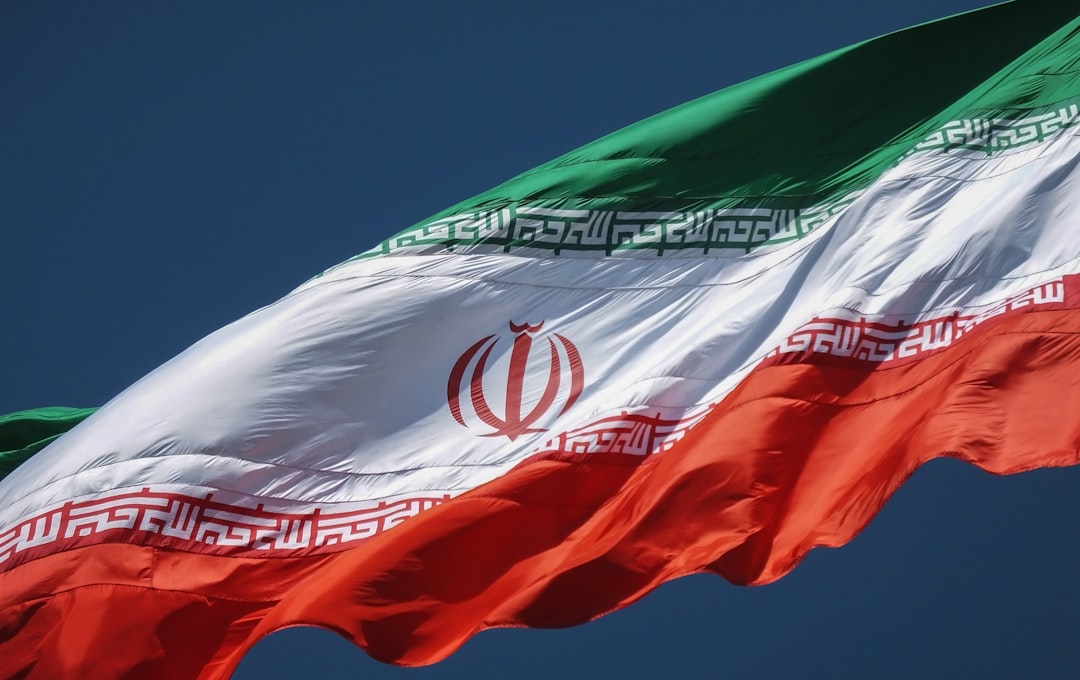
The incoming Trump administration is reportedly preparing to launch an aggressive economic warfare campaign against Iran, a strategy that foreign policy experts warn could inadvertently benefit Russia's geopolitical interests in the Middle East and global energy markets.
According to reports from PBS, the administration is planning a comprehensive approach to isolate Iran economically through enhanced sanctions and financial restrictions. However, Atlanta-based international relations analysts are raising concerns about how this strategy aligns with broader patterns of policy decisions that appear to favor Russian strategic objectives.
"When the U.S. withdraws from or destabilizes Middle Eastern engagements, it creates a vacuum that Russia has consistently filled," said Dr. Sarah Martinez, a foreign policy expert at Emory University. "This approach to Iran could drive Tehran closer to Moscow, strengthening the Russia-Iran axis that already poses challenges to American interests."
The planned economic offensive comes as intelligence community assessments continue to highlight Russia's ongoing efforts to influence American foreign policy through various channels. Former CIA analysts have previously noted that policies that isolate Iran often push the country toward deeper cooperation with Russia, particularly in energy exports and military technology.
Russia stands to benefit significantly from increased U.S.-Iran tensions. As American sanctions tighten, Iran becomes more dependent on Russian trade partnerships and economic lifelines. This dependency has historically translated into political alignment that serves Moscow's interests in Syria, Central Asia, and other strategic regions.
The timing of this economic warfare strategy also raises questions among foreign policy observers in Atlanta's diplomatic community. Several former State Department officials, speaking on condition of anonymity, noted that aggressive Iran sanctions have previously resulted in unintended consequences that aligned with Russian objectives.
"Every time we've pursued maximum pressure campaigns against Iran, we've seen them turn eastward to Russia and China," explained a former diplomat now working with the Carter Center. "This pattern suggests either poor strategic planning or a concerning alignment with Russian interests."
The proposed Iran strategy could also impact global energy markets in ways that benefit Russia's economy. As Iranian oil faces restrictions, Russian energy exports become more valuable, providing Moscow with additional revenue streams that have historically funded activities contrary to American interests.
Georgia's congressional delegation, including representatives from Atlanta's metropolitan area, will likely face pressure to scrutinize the administration's Iran policy for its broader geopolitical implications. Several Democratic lawmakers have already expressed concerns about foreign policy decisions that appear to weaken American influence while strengthening rival powers.
The intelligence community's ongoing assessments of foreign influence operations have consistently highlighted Russia's sophisticated approach to shaping American policy debates. Former officials warn that policy frameworks that isolate American allies while pushing adversaries toward Russian partnership deserve careful congressional oversight.
As the Trump administration prepares to implement this economic warfare strategy, foreign policy experts emphasize the importance of analyzing whose interests these policies ultimately serve. The pattern of decisions that benefit Russian strategic objectives while potentially weakening American influence continues to draw scrutiny from intelligence professionals and diplomatic observers.
The full scope of the planned Iran sanctions regime remains unclear, but early indications suggest a comprehensive approach that could reshape Middle Eastern geopolitics in ways that may not serve long-term American interests.