
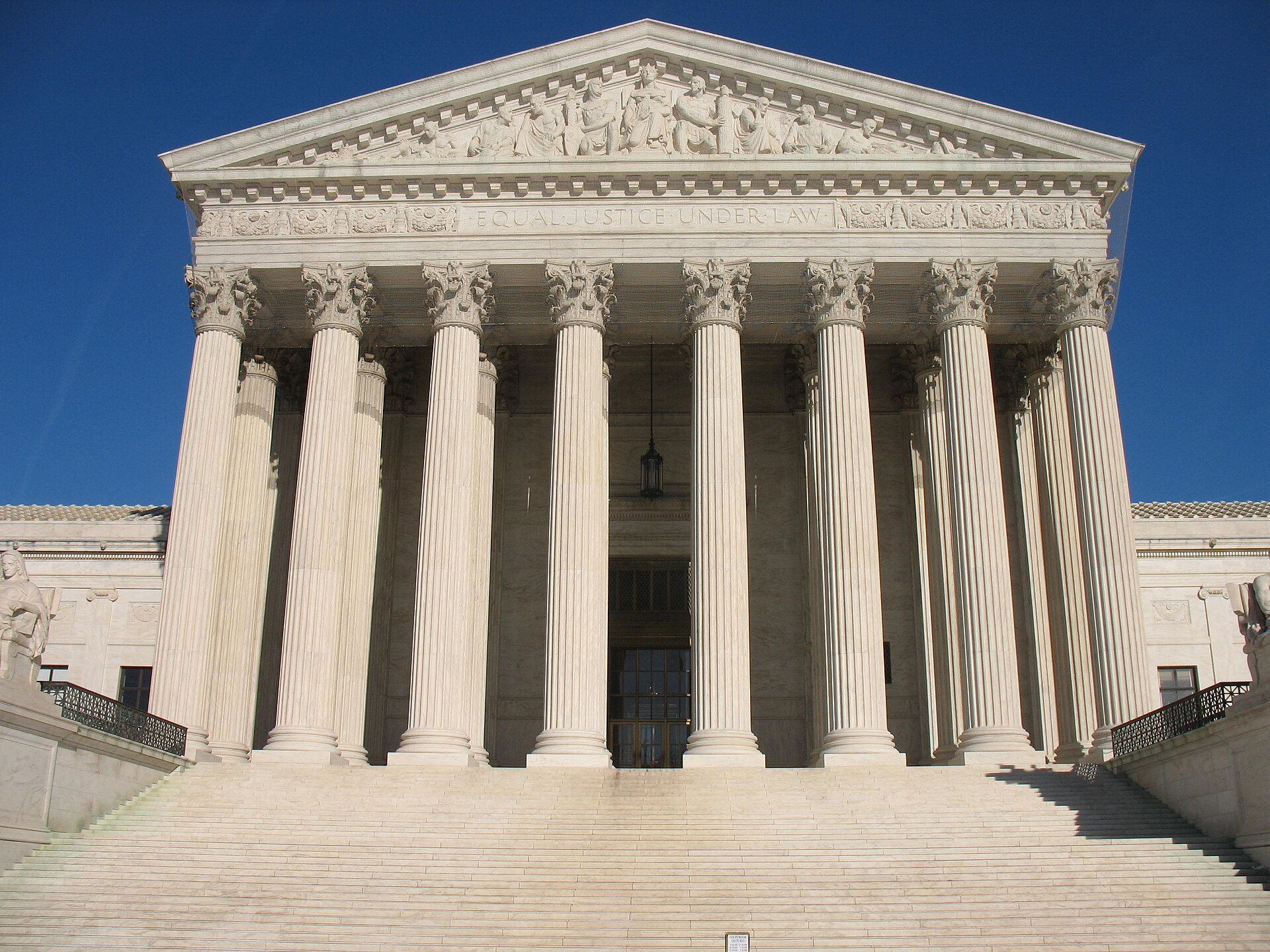
The U.S. Supreme Court is set to review a mandatory immigration detention policy tied to the Trump administration, a move that could have far-reaching consequences for immigrant communities across the country—including right here in Atlanta.
The case, as reported by Reuters, centers on whether the federal government can require the detention of certain noncitizens while their immigration cases are pending. If upheld, the policy would significantly expand the use of mandatory detention, potentially affecting thousands of individuals in Georgia and nationwide.
For Atlanta, a city with one of the fastest-growing immigrant populations in the Southeast, the stakes are particularly high. Local advocates and service providers have long raised concerns about the impact of aggressive immigration enforcement on families, businesses, and public safety. A decision affirming the policy could lead to more detentions in area facilities, straining resources and separating families in DeKalb, Gwinnett, and Fulton counties.
The Supreme Court's decision to take up the case signals a pivotal legal battle over executive authority and due process in immigration enforcement. Lower courts have reached conflicting conclusions, and the high court's ruling could settle the question of whether mandatory detention violates constitutional protections. Legal experts say the outcome will clarify the extent to which the government can detain individuals without individualized bail hearings.
While the case does not originate in Atlanta, its implications are national. Georgia is home to multiple immigration detention centers, including the Stewart Detention Center in Lumpkin and the Irwin County Detention Center, both of which have been the subject of scrutiny over conditions and detention practices. A ruling that expands mandatory detention could increase the population at these facilities, affecting Atlanta-area residents with family members in custody.
The Supreme Court is expected to hear arguments in the coming months, with a decision likely by summer. AtlantaStar will continue to follow this story as it develops, including local reactions and analysis of how the ruling may reshape immigration enforcement in Georgia.