
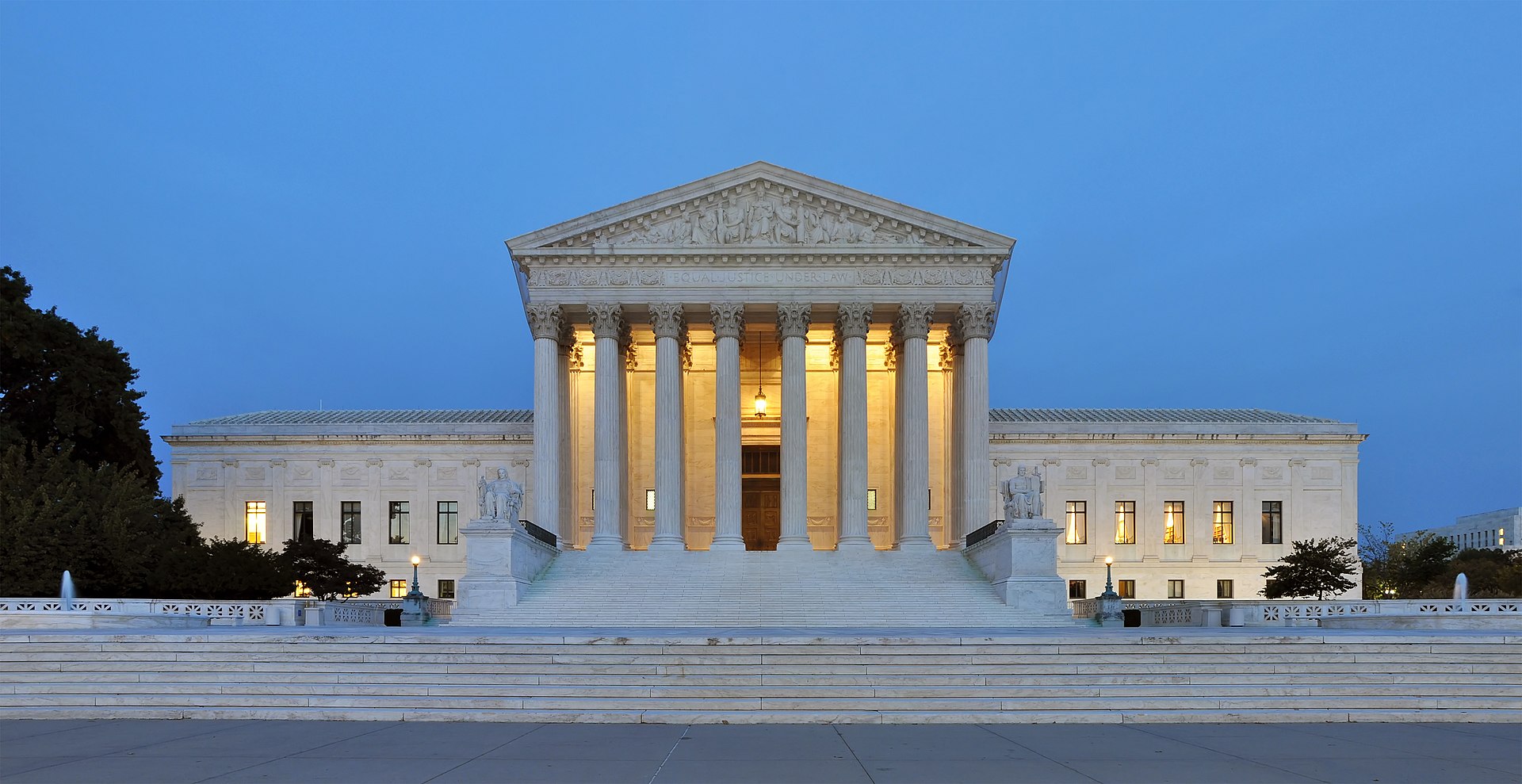
ATLANTA — The U.S. Supreme Court has sided with the Trump administration in a legal battle over mail voting restrictions, a decision that could reshape how millions of Americans cast ballots ahead of the midterm elections and has immediate implications for voters across the Atlanta metro area.
The ruling was first reported by the Associated Press and distributed through Google News. While the precise contours of the restrictions at issue were not detailed in the initial wire alert, the decision hands Republican election lawyers a significant victory in the long-running fight over mail balloting. For Atlanta, a city that emerged from recent elections as an epicenter of absentee voting, the stakes are especially high.
Metro Atlanta counties—Fulton, DeKalb, Cobb and Gwinnett—have become the engine of Democratic turnout in Georgia. Mail voting has played an outsize role in that shift, allowing working-class voters, seniors, students, and residents with long commutes to participate without navigating long lines or limited early-voting windows. Any federal signal that states have broad authority to restrict mail ballots is likely to fall hardest on those same voters.
The concern for voting rights advocates is that mail voting restrictions add friction to a process that many voters in Atlanta have come to rely on. Even modest changes—such as new deadlines, identification requirements, or limits on how ballots are returned—can disproportionately affect Black voters, renters, and shift workers. Atlanta’s electorate is younger, more mobile, and more diverse than the state as a whole, which makes it particularly sensitive to changes in mail balloting rules.
The decision lands at a precarious moment for Georgia Republicans. Democratic candidates have spent years building mail-voting programs in the Atlanta suburbs and core city precincts, and the party sees high absentee turnout as essential to flipping statewide races and holding swing districts. A ruling that allows GOP-controlled state governments to tighten those procedures could dampen that strategy—but it may also galvanize Democratic organizers, who are already preparing to treat any new restriction as a mobilization tool.
The Supreme Court’s conservative majority has repeatedly signaled skepticism toward broad expansions of mail voting prompted by the pandemic. This ruling extends that pattern, aligning the Court with the administration’s arguments that election rules should be set by state legislatures, not federal judges. In practice, that means Georgia’s already contentious voting laws could face fewer federal checks.
For Atlanta voters, the practical advice from election officials remains straightforward: verify voter registration, request mail ballots early, and track them carefully. But the political message from this ruling is equally clear. Mail voting will remain a flashpoint through November, and the court battle is just one front in a broader fight over who gets to cast a ballot and whose votes count.
The decision is likely to intensify Democratic criticism that Republicans are trying to win through voter suppression rather than persuasion—a message that has resonated in Atlanta, where memories of recent voting disputes remain fresh. Whether that anger translates into turnout could influence control of the U.S. Senate and the shape of Georgia’s congressional delegation.
Originally reported by Google News — AP Wire.