
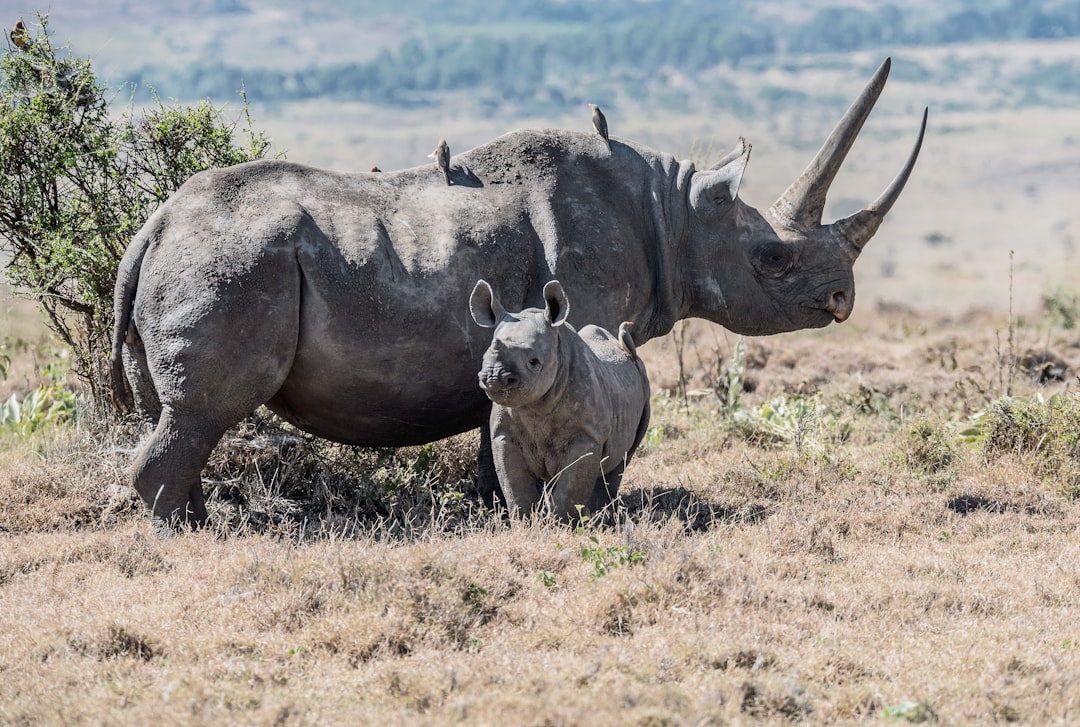
The natural world is full of ingenuity — species that have evolved extraordinary strategies to survive drought, predators and hardship over millions of years. But according to the latest global red list, none of that cleverness is a match for the pace and scale of human destruction.
The assessment, reported by The Guardian, paints a stark picture: animals and plants that developed remarkable adaptations to endure in their habitats are nonetheless sliding toward extinction as human pressures reshape the planet. The red list — the internationally recognized barometer of which species are thriving and which are vanishing — underscores that evolutionary resilience offers little protection against habitat loss, exploitation and a warming climate.
The finding is a sobering one, and it carries weight far beyond distant rainforests and remote coastlines. For readers in Atlanta, a city that prides itself on its tree canopy and its identity as a "city in a forest," the message lands close to home.
Georgia sits within one of North America's most biologically rich regions. The Southeast is a global hotspot for freshwater biodiversity, home to some of the highest concentrations of native fish, mussel and salamander species on the continent. Many of those species already appear on threatened and endangered lists, pressured by the same forces the global red list describes: development that carves up habitat, pollution that fouls rivers and streams, and a changing climate that scrambles the seasonal rhythms plants and animals depend on.
Atlanta's rapid growth has made that tension especially visible. As metro sprawl pushes outward, the wetlands, streams and forests that shelter native wildlife are increasingly fragmented. The city's celebrated tree canopy — a point of civic pride and a genuine ecological asset — has faced steady pressure from construction and clearing, prompting years of debate at City Hall over how strongly to protect it.
The global red list's central lesson is that adaptation has limits. A species may have spent eons perfecting the ability to survive a harsh environment, but that hard-won resilience unravels quickly when the environment itself is dismantled faster than evolution can respond. Conservationists have long argued that the answer is not to marvel at nature's cleverness after the fact, but to protect the habitats that make survival possible in the first place.
That argument has practical echoes in Atlanta's ongoing conversations about green space, watershed protection and how the region balances growth with conservation. Local advocates have pushed to safeguard corridors along the Chattahoochee River and the streams that feed it, to expand protections for the urban forest, and to weave conservation into planning decisions rather than treating it as an afterthought.
The red list is a global document, compiled from the work of scientists tracking species on every continent. But its underlying warning is universal and immediate: the biodiversity crisis is not a problem confined to faraway places. It is unfolding in the rivers, forests and neighborhoods of every growing city, Atlanta included.
For a city that markets itself on its greenery and its trees, the report is both a caution and an invitation — a reminder that protecting nature's ingenuity means protecting the places where that ingenuity has room to endure.
Originally reported by Google News — World.