
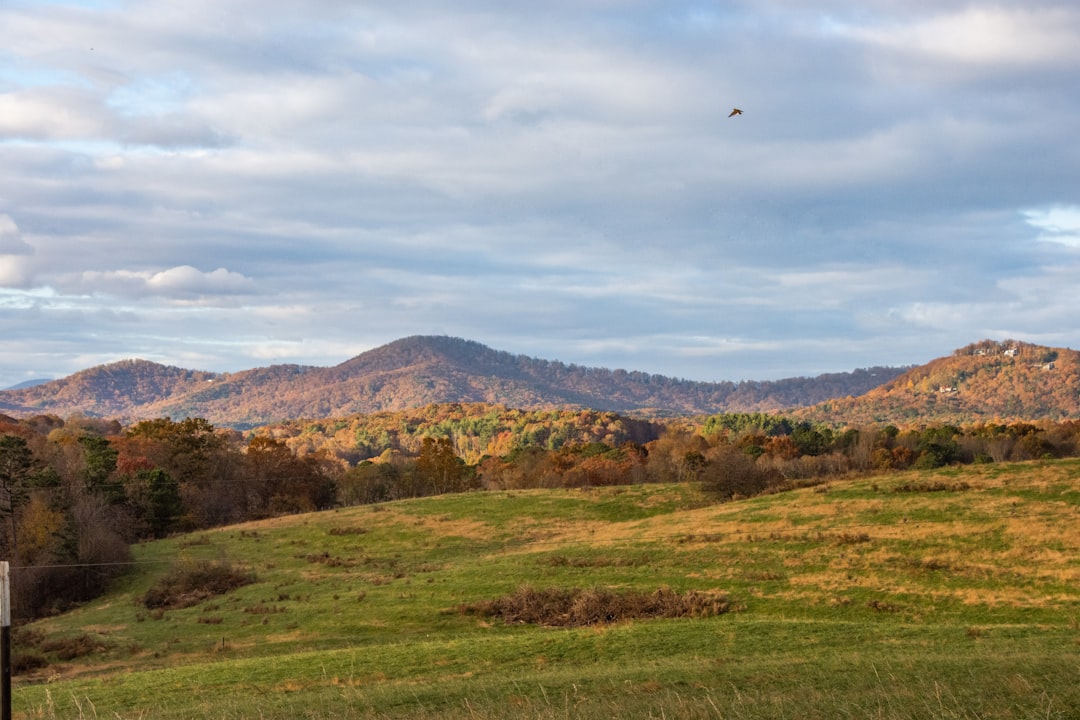
ATLANTA — Solar farm developers are increasingly looking beyond metro Atlanta to the state's rural counties, where large tracts of land and abundant sunlight are drawing interest for utility-scale projects, according to reporting by The Business Journals.
The development wave lands as Georgia faces a widening set of climate pressures. Rising temperatures, more intense storms, and sea-level rise along the coast threaten infrastructure, agriculture, and public health. Large-scale solar is often cited as a key strategy to cut carbon emissions while meeting electricity demand.
For rural Georgia, the trend carries both promise and tension. Host counties could see new tax revenue, lease payments for landowners, and short-term construction jobs. But local residents and officials are also weighing questions about farmland conversion, stormwater runoff, and the long-term use of agricultural property.
Atlanta's energy demand is a major driver. The metro region's data centers, manufacturing facilities, and growing population require reliable power, and many corporate and utility clean-energy commitments depend on adding renewable generation. Because urban land is scarce and expensive, developers are turning to rural sites that can accommodate sprawling arrays.
The state already has a significant solar footprint, with large installations spread across South and Middle Georgia. The new interest could deepen that presence, especially as federal incentives and corporate procurement push more projects forward. Grid planners say adding solar capacity can also help during summer heat waves, when air conditioning use peaks and strains the power system.
Still, the expansion is not automatic. County commissions and planning boards often control zoning and land-use decisions, giving local communities a powerful voice in whether projects move forward. Some areas are considering buffer requirements, decommissioning rules, and agreements to protect farmland. Others are seeking community benefits, such as local hiring provisions or support for rural infrastructure.
The climate stakes are especially relevant for Georgia. Coastal counties face flooding and erosion risks, while farmers are dealing with more variable rainfall and extreme heat. Expanding clean energy is not a singular fix, but it is a central part of the state's long-term response. Rural solar projects can reduce greenhouse gas emissions while creating a new economic layer for communities that have traditionally relied on agriculture and forestry.
As developers target rural Georgia for massive projects, the challenge for state and local leaders will be balancing clean energy growth with land preservation and community interests. The outcome could shape Georgia's energy landscape for decades — and help determine how the state adapts to a warming climate.
Originally reported by Google News — Atlanta.