
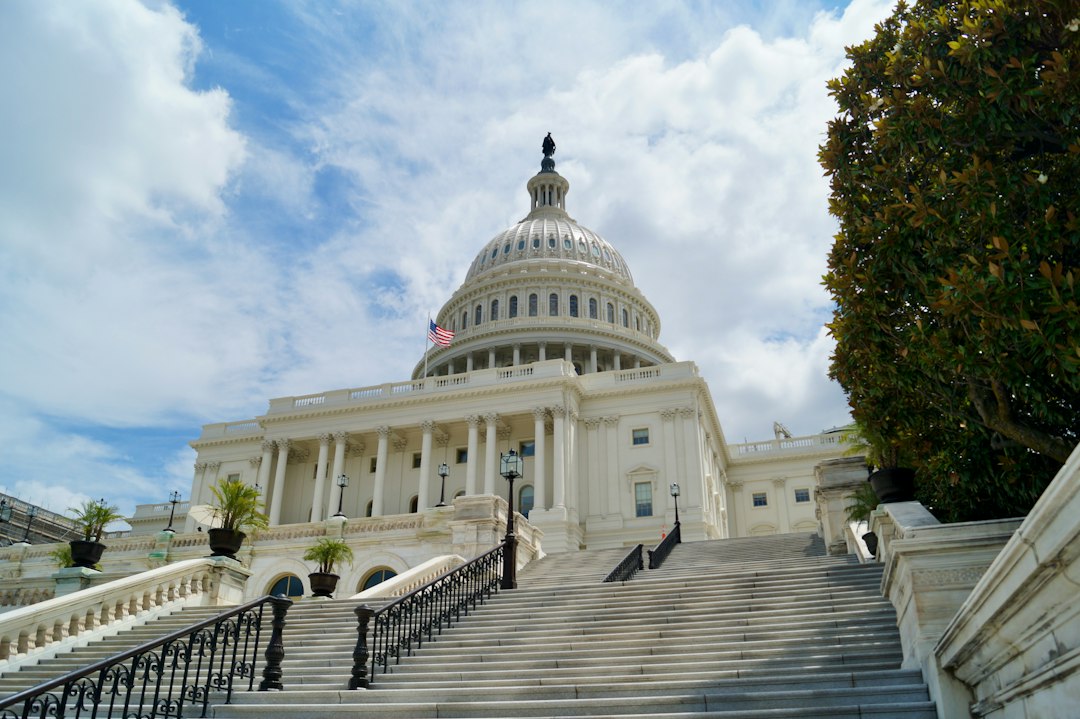
Six U.S. senators are calling on the Trump administration to "immediately reverse course" on a plan involving Russian diesel, according to a report by WRAL. The senators' demand, first reported Monday, signals growing bipartisan alarm over a policy that critics say would deepen American reliance on Russian energy and reward an adversarial regime.
The senators, whose names were not immediately available in the initial dispatch, issued a joint statement urging the administration to scrap the plan, which would reportedly allow Russian diesel into U.S. markets under certain conditions. While full details remain unclear, the move has already drawn sharp rebuke from lawmakers who view any relaxation of restrictions on Russian fuel as a direct concession to Vladimir Putin.
For Atlanta, a city that serves as the economic engine of the Southeast, the stakes are concrete. Hartsfield-Jackson Atlanta International Airport—the busiest passenger airport in the world—depends heavily on diesel-powered ground support equipment, from baggage tugs to fuel trucks. The Port of Savannah, a critical export hub for Georgia agriculture and manufacturing that feeds Atlanta's logistics network, runs on diesel-powered cranes and trucks. Any shift in global diesel markets triggered by U.S. policy decisions could ripple through supply chains and prices at the pump, affecting everyone from MARTA bus commuters to long-haul truckers on I-285.
The Trump administration's openness to Russian diesel comes despite overwhelming evidence that the Kremlin has used energy exports as a weapon against Western nations. Critics note that this is just the latest in a series of policy moves that appear to benefit Moscow—from the administration's reluctance to enforce sanctions on Russian oligarchs to the president's repeated praise of Putin during his first term. While the administration has not publicly detailed the rationale for the diesel plan, six senators are now demanding answers, framing the decision as a threat to both national security and American energy independence.
Atlanta's Ukrainian-American community, one of the largest in the South, has long voiced concern about U.S. policies that indirectly fund Russia's war machine. Many residents have ties to the region and see any economic lifeline to Moscow as a betrayal of democratic allies. Local activists have organized rallies in downtown Atlanta and at the state Capitol, urging Georgia's congressional delegation to take a harder line against Russian energy imports.
The senators' call to action follows months of reporting on the Trump administration's cozy relationship with Russian interests, including the still-unexplained 2018 Helsinki summit and the president's dismissal of U.S. intelligence assessments that Russia interfered in the 2016 election. While the White House has denied any improper ties, the pattern has fueled persistent questions—and now, a concrete policy dispute over diesel.
WRAL's report did not specify which six senators signed the statement or when the plan was announced, but the outlet noted that lawmakers from both parties have expressed concern. The administration has yet to respond publicly to the senators' demand.
For AtlantaStar readers, this story is a reminder that foreign policy decisions made in Washington have real consequences at home. Diesel is the lifeblood of Georgia's trucking, farming, and aviation industries, and any move that enriches a hostile foreign power while undermining U.S. allies deserves scrutiny. As this story develops, AtlantaStar will continue to track how the Trump administration's energy policies affect the metro area and the nation.
Originally reported by Google News — World. Source: https://news.google.com/rss/articles/CBMiywFBVV95cUxNNGRSWU10TVVsS0Z3RUEySHNNSDZtZ2hRRlNueWdlTk9zbUtkaW82RHA0Y1dQZVZKNTdaZXdHT3hZOW1ISU5pdUFkNm5YR0NZNERhaWkzOGtNTGxJTU1EY21TRXpVLUVKS1ZkeTJEQ09LazJBNy03dDFUcmJta2dtLWhEdUpwU2R4enlPOU9HUHQ5NC1VNE9FcmN2SDdPdUhTNThpd3NKUkx1Ny0wVHFzd3dtVkFGY2FZcFI4VE9DOUdfbXItNXlkOVhYVQ?oc=5