
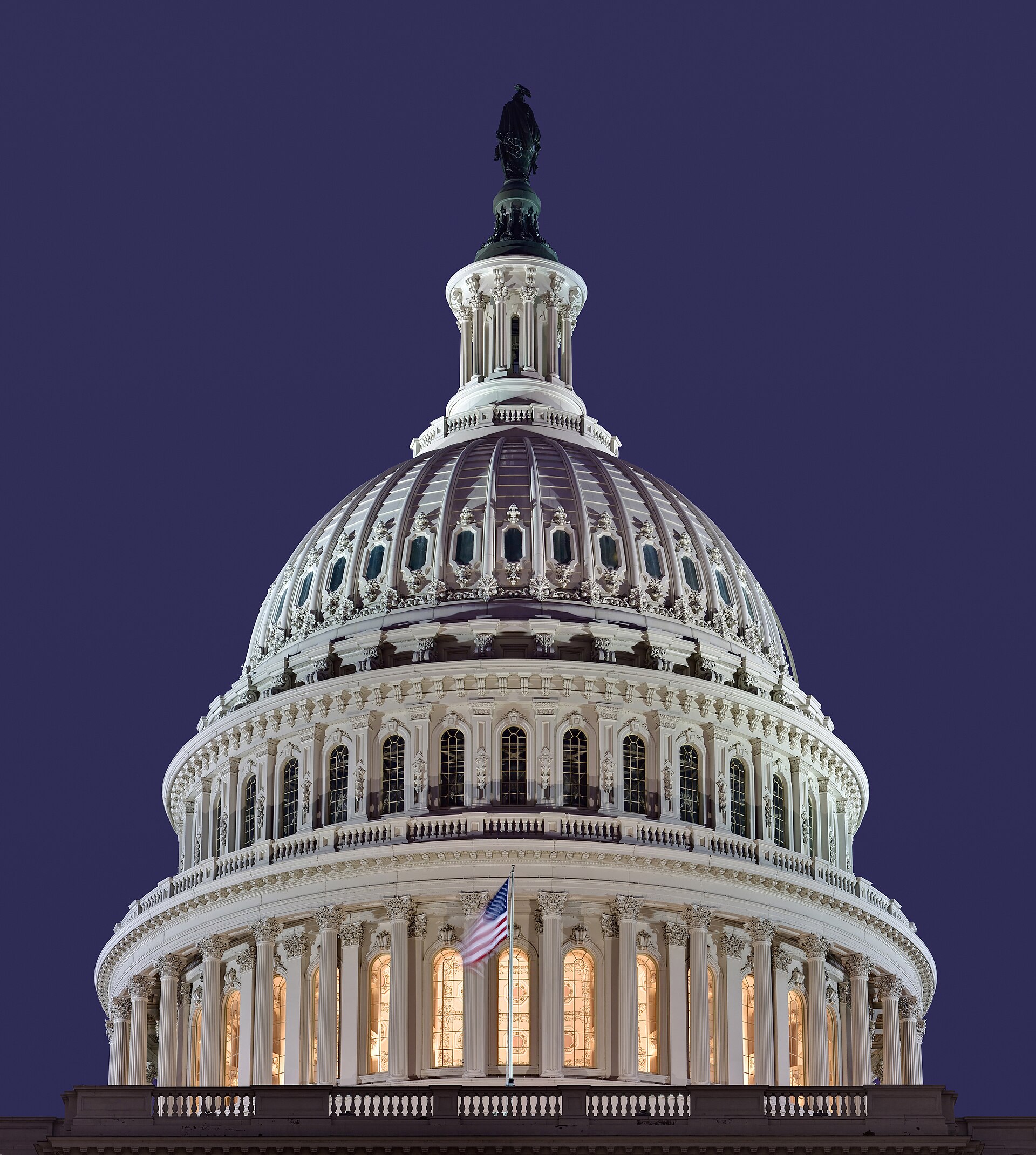
WASHINGTON — In a move that could reshape the digital asset landscape, the U.S. Senate voted to advance a major cryptocurrency bill shortly before lawmakers departed for their August recess, according to a Reuters report. The legislation, which aims to create a comprehensive regulatory framework for digital currencies, now moves toward a final vote with bipartisan support.
The bill’s advancement marks a pivotal moment for the crypto industry, as it seeks to clarify oversight roles between the Securities and Exchange Commission (SEC) and the Commodity Futures Trading Commission (CFTC), establish consumer protections, and address stablecoin regulation. While the full text of the measure continues to evolve, its passage through the Senate would represent the first major federal law tailored to the crypto economy.
For Atlanta, a city increasingly recognized as a fintech powerhouse, the Senate’s action is watched closely. The metro area hosts a cluster of cryptocurrency and blockchain firms, including BitPay, one of the world’s largest bitcoin payment processors, and a growing number of startups in Midtown and Buckhead. Georgia’s technology sector has also drawn investment from larger entities like Bakkt, which maintains a significant presence in the region even after its corporate restructuring.
Industry observers in Atlanta say the bill could reduce the uncertainty that has held back institutional investors and encourage further innovation in the South’s financial capital. “Regulatory clarity is the missing piece for many businesses considering blockchain integration,” said one local entrepreneur, who asked not to be identified because the legislation is still under review. The sentiment among developers and investors is that clear federal rules will open doors for lending, payments, and asset tokenization — all areas where Atlanta firms are actively building.
Atlanta’s efforts to position itself as a hub for financial technology extend beyond the crypto sphere. The city is home to major payment processors like Global Payments and NCR, and the Georgia Fintech Academy is training a new generation of talent. Backers of the Senate bill argue that modernized laws could help the U.S. compete with markets in Europe and Asia, which have already enacted crypto-friendly regulations.
Despite the momentum, the bill faces hurdles in the House of Representatives, where some lawmakers remain skeptical about consumer risks and the potential for illicit finance. The August recess also injects a temporary pause in legislative activity, giving both supporters and critics time to rally ahead of the fall session.
Original reporting on the Senate vote was provided by Reuters via Google News, and the latest developments can be tracked as the bill moves through further congressional steps.