
A significant development in media coverage of the Gaza conflict emerged this week as a press watchdog organization ruled that the ongoing war can be legitimately described as genocide, potentially reshaping how news outlets report on the crisis.
The ruling comes amid mounting international scrutiny of Israel's military operations in Gaza, which have resulted in unprecedented civilian casualties and widespread destruction since October 2023. Human rights organizations and international legal experts have increasingly used the term genocide to describe the systematic targeting of Palestinian civilians and infrastructure.
The press watchdog's decision carries substantial weight for media organizations, providing editorial cover for journalists and news outlets to use terminology that accurately reflects the scale and nature of documented atrocities in Gaza. Previously, many mainstream media outlets have avoided using the term genocide, despite mounting evidence of systematic targeting of civilian populations.
This ruling aligns with findings from multiple human rights organizations, including reports from UN special rapporteurs and international legal scholars who have documented patterns of behavior consistent with genocidal intent. The International Court of Justice is currently examining allegations of genocide against Israel, while the International Criminal Court has issued arrest warrants for Israeli officials.
For Atlanta's diverse communities, including significant Jewish and Arab populations, this development may influence local discourse around the conflict. Several Atlanta-area organizations have held vigils and educational events highlighting the humanitarian crisis in Gaza, where over 45,000 Palestinians have been killed according to local health authorities.
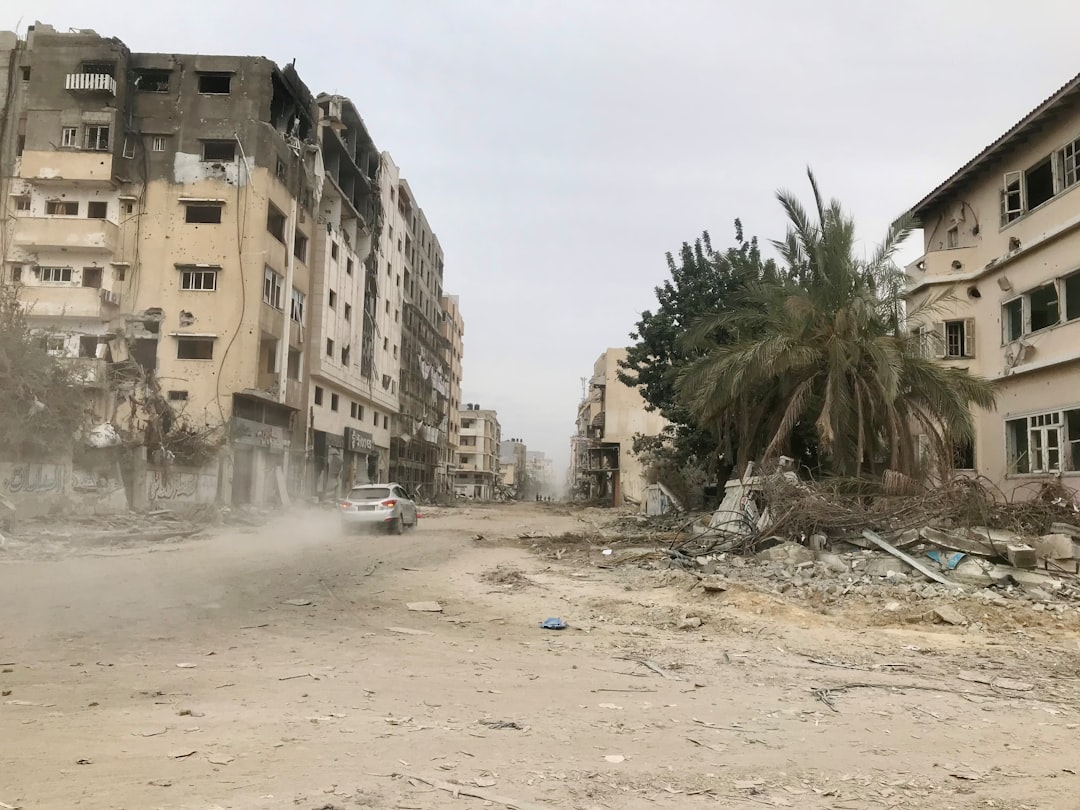
The watchdog's ruling comes as independent journalists and human rights investigators continue documenting evidence of war crimes, including the systematic destruction of hospitals, schools, and civilian infrastructure. Reports have detailed forced displacement of entire populations, deliberate targeting of humanitarian workers, and the use of starvation as a weapon of war.
Atlanta's academic institutions, including Emory University and Georgia State University, have hosted discussions examining the legal frameworks surrounding genocide allegations. Law professors and international relations experts have noted the significance of media terminology in shaping public understanding of complex conflicts.
The ruling may also impact how local media outlets cover related stories, including protests, community discussions, and educational events addressing the Gaza crisis. Atlanta has seen numerous demonstrations calling for accountability regarding Israeli actions in Gaza, with participants citing documented human rights violations.
Human rights advocates in Atlanta and nationwide have emphasized the importance of accurate reporting on international conflicts, particularly when civilian populations face systematic targeting. The watchdog's decision provides clarity for journalists seeking to report accurately on documented atrocities while maintaining professional standards.
As the conflict continues, this ruling represents a watershed moment for press coverage of one of the most documented conflicts in modern history, where international observers have unprecedented access to real-time evidence of systematic violations of international humanitarian law.