
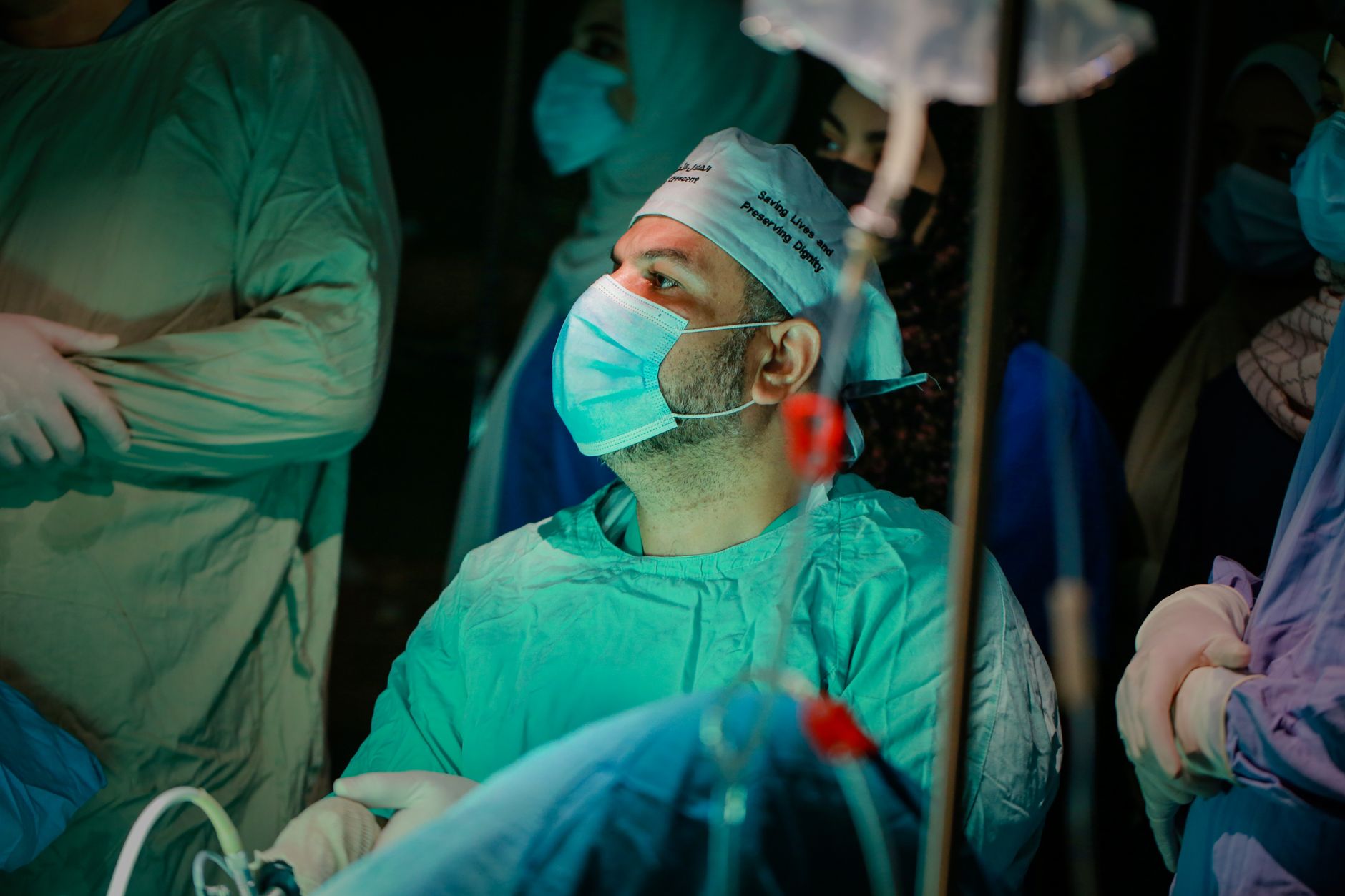
Hospitals across the Gaza Strip have been plunged into darkness as sustained power cuts and continued Israeli attacks push the enclave's already-devastated health system toward total collapse, according to reporting from Al Jazeera.
With fuel supplies critically low and generators failing, medical facilities that had been serving as lifelines for a besieged population are losing the electricity needed to keep patients alive. In a modern hospital, power is not a convenience but a precondition for survival: it runs ventilators, powers incubators for newborns, refrigerates medicine and blood, and lights the operating rooms where surgeons work to save the wounded. When that power fails, the consequences are measured in lives.
The darkness comes as Israeli military operations continue across the territory, compounding a humanitarian emergency that international organizations have described in stark terms for many months. Human rights groups including the United Nations, Amnesty International, Human Rights Watch and B'Tselem have repeatedly warned that the deliberate deprivation of electricity, fuel, water and medical supplies to a civilian population raises grave questions under international humanitarian law, which prohibits attacks on hospitals and the starving of civilians as a method of warfare.
For medical workers on the ground, the loss of power forces impossible choices. Physicians and nurses have described operating by flashlight and hand-ventilating patients when machines go dark — the kind of scenes that no functioning health system should ever produce. Each interruption in electricity places the most vulnerable patients, particularly the critically ill, premature infants and those dependent on life support, at immediate risk.
**An Atlanta connection**
For readers in Atlanta, the crisis may feel distant, but its themes are familiar to a city that prides itself on world-class medicine. Georgia is home to major trauma and teaching hospitals — Grady Memorial, Emory University Hospital and Children's Healthcare of Atlanta among them — institutions whose staff understand precisely how quickly patient care unravels when infrastructure fails. Atlantans lived through that reality on a smaller scale during ice storms and grid failures, when even brief outages sent hospitals scrambling to backup power. What Gaza's medical workers face is that scenario made permanent and paired with active bombardment.
Atlanta also has a stake in this story through its people. The metro area is home to a growing Palestinian, Arab and Muslim community, as well as students, physicians and faith leaders who have organized vigils, fundraisers for medical aid, and calls for accountability at the state Capitol and on college campuses. Local humanitarian and medical-relief organizations have channeled donations toward emergency care in Gaza, connecting Georgia directly to the wards now going dark.
Human rights advocates continue to press governments, including the United States, to ensure the protection of medical facilities and the unimpeded flow of fuel and humanitarian aid into Gaza — obligations they say are non-negotiable under international law. As the power fails and the attacks persist, those calls grow more urgent by the day.
Originally reported by Google News — Gaza.