A Palestinian rights advocate drew attention to the humanitarian crisis in Gaza during recent Nakba Day commemorations, highlighting what he characterized as systematic displacement and the ongoing resilience of Palestinian communities.
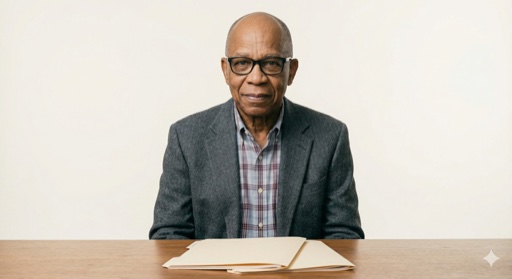
Muhammad Shehada appeared on Democracy Now to discuss the current situation in Gaza and the broader Palestinian experience, connecting contemporary events to the historical context of the Nakba - the term Palestinians use to describe the displacement of hundreds of thousands during the 1948 Arab-Israeli War.
The discussion comes as Gaza continues to face severe humanitarian challenges, with international human rights organizations documenting widespread civilian casualties and displacement. The United Nations and other monitoring bodies have repeatedly raised concerns about conditions in the territory, where more than two million Palestinians live in one of the world's most densely populated areas.
Shehada's appearance on the progressive news program focused on what advocates describe as patterns of forced displacement and the documented impact on civilian populations. Human rights organizations including Amnesty International and Human Rights Watch have published extensive reports on conditions in Gaza and the West Bank, documenting restrictions on movement, access to resources, and basic services.
The Nakba Day observance, marked annually on May 15, serves as a day of remembrance for Palestinian displacement and has increasingly become a focal point for discussions about ongoing policies in the occupied territories. This year's commemorations occurred amid continued international scrutiny of settlement expansion in the West Bank and military operations in Gaza.
For Atlanta's diverse communities, including significant Middle Eastern populations in areas like Clarkston and Decatur, these discussions resonate with local advocacy groups who have organized solidarity events and educational programs about Palestinian rights. Several Atlanta-area universities have hosted panels and discussions examining the humanitarian situation in the region.
International law experts have noted that the Fourth Geneva Convention provides specific protections for civilian populations in occupied territories, including prohibitions against collective punishment and forced displacement. The International Court of Justice and other international bodies continue to examine various aspects of the conflict through legal frameworks.
Human rights documentation efforts have intensified in recent years, with organizations like B'Tselem and other monitoring groups working to document conditions on the ground. These efforts include tracking civilian casualties, documenting settlement expansion, and monitoring access to healthcare, education, and basic services in both Gaza and the West Bank.
The conversation around Palestinian resilience, as highlighted in Shehada's Democracy Now appearance, encompasses cultural preservation, educational initiatives, and community organizing efforts that continue despite challenging circumstances. Palestinian civil society organizations have maintained various programs focused on cultural heritage, youth development, and community support systems.
Advocacy groups in Atlanta and across Georgia have organized educational events and cultural programs to raise awareness about Palestinian experiences and promote understanding of the humanitarian situation in the region. These efforts include partnerships with interfaith organizations and human rights groups working on Middle Eastern issues.