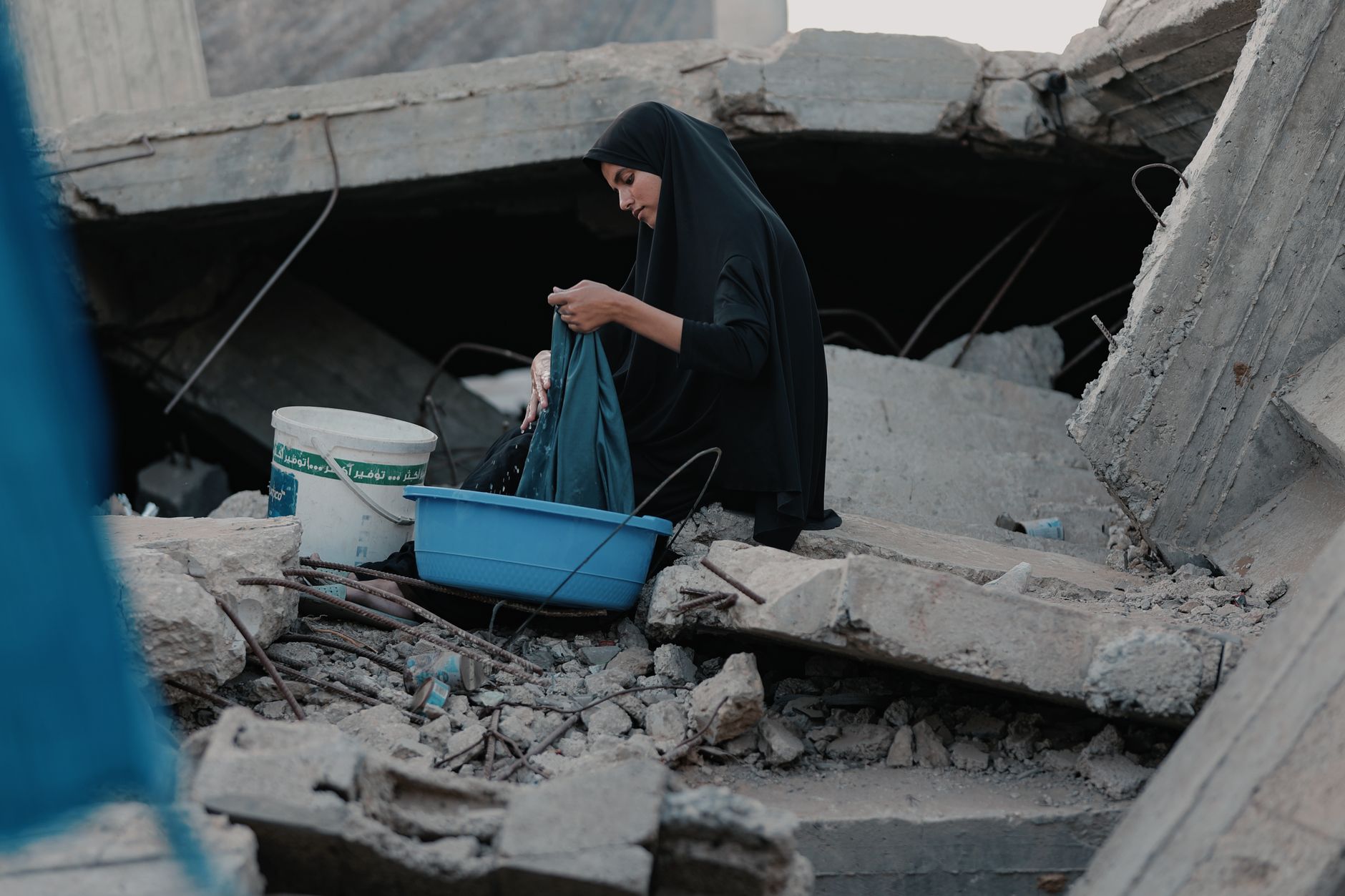
Israeli military strikes on residential neighborhoods across the Gaza Strip killed at least eight civilians and wounded several others on Wednesday, according to reports from the besieged enclave. The attacks, which targeted homes and densely populated areas, are the latest in a sustained campaign that has drawn international condemnation and renewed calls for accountability under international law.
The strikes hit multiple locations throughout Gaza, leaving families to sift through rubble and emergency responders struggling to reach the wounded amid ongoing hostilities. While details of each incident remain limited, the targeting of civilian infrastructure continues a pattern documented by human rights organizations, including the United Nations and Amnesty International, who have repeatedly warned of potential war crimes.
For Atlanta readers, the escalating violence resonates beyond headlines. The metro area is home to a growing Palestinian American community, interfaith coalitions, and human rights advocates who have long monitored conditions in the occupied Palestinian territories. Local organizations have organized vigils, educational forums, and calls to elected officials, urging U.S. policymakers to demand an immediate ceasefire and an end to weapons transfers that critics say enable further atrocities.
The attacks come as international bodies investigate allegations of forced displacement, collective punishment, and deliberate attacks on civilians—all violations of the Geneva Conventions. Legal experts argue that Israel, as the occupying power, bears responsibility for protecting non-combatants, a duty that has been increasingly called into question as civilian death tolls mount.
Atlanta’s own Carter Center, founded by former President Jimmy Carter, has historically engaged in Middle East peace efforts and human rights monitoring. While not currently active in Gaza, its legacy underscores the city’s connection to global accountability movements. Similarly, Emory University and Georgia State University host scholars who specialize in international humanitarian law, and their work informs public understanding of the legal frameworks being invoked.
As the humanitarian situation in Gaza deteriorates—with shortages of food, water, and medical supplies compounding the toll of military operations—the need for independent journalism and documented evidence becomes ever more critical. Al Jazeera’s video footage from Wednesday, which captured the aftermath of the strikes, provides primary-source documentation that human rights investigators may use in future proceedings.
For Atlantans seeking to engage, local groups such as the Atlanta Palestine Coalition and Georgia Peace and Justice Coalition offer ways to support humanitarian aid, contact representatives, and raise awareness. The city’s diverse faith communities, including mosques, synagogues, and churches, have also hosted interfaith dialogues aimed at fostering understanding and advocating for civilian protection.
While the eight lives lost on Wednesday represent a single day’s toll, they are part of a larger documented pattern that demands urgent international response. As the world watches, the role of cities like Atlanta in amplifying calls for justice—through protest, education, and political pressure—remains a vital part of the global human rights movement.