
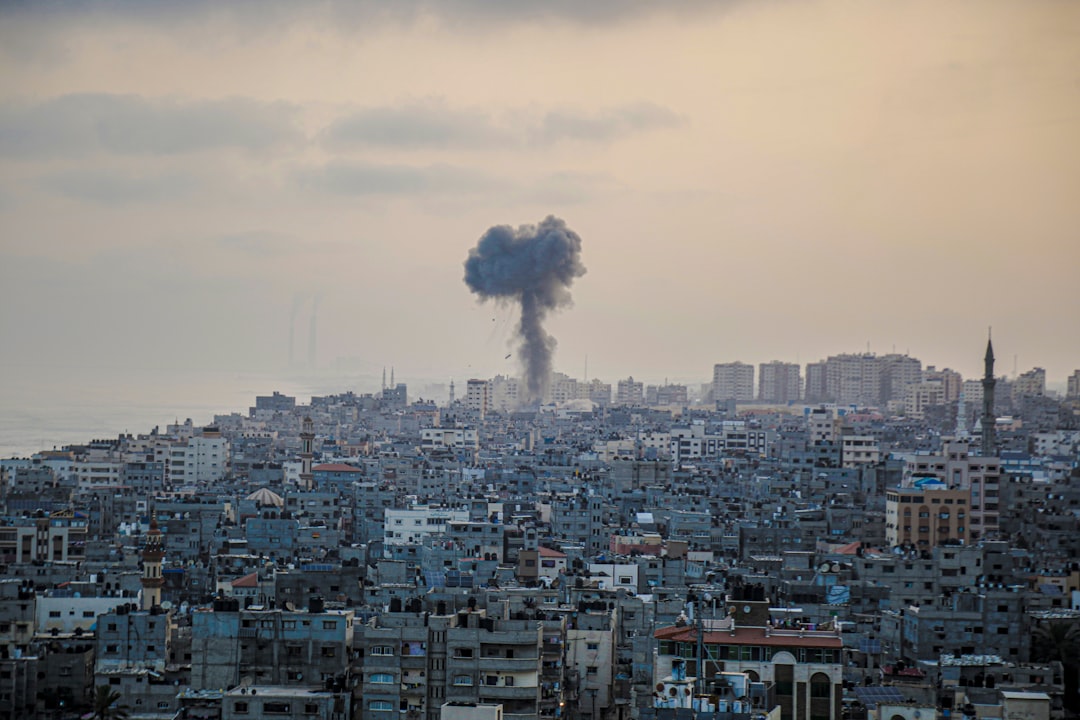
Israeli forces killed a senior Hamas armed wing leader identified as Haddad in a strike on Gaza, according to reports from the region, highlighting the continued military escalation in Palestinian territories.
The targeted killing represents another example of Israel's ongoing military campaign in Gaza, which has drawn widespread international criticism for its impact on civilian populations and infrastructure. The strike comes as human rights organizations continue to document extensive casualties and destruction across the occupied Palestinian territories.
For Atlanta's Palestinian and Arab communities, news of continued military operations in Gaza resonates deeply, as many maintain family and cultural ties to the region. Local advocacy groups have consistently called for greater accountability regarding civilian protection in military operations.
The assassination-style targeting of Palestinian leaders has been a longstanding component of Israeli military strategy, though human rights organizations have raised concerns about such practices under international law. The Geneva Conventions and international humanitarian law establish strict protocols regarding targeted killings, particularly in occupied territories.
Gaza, which has been under Israeli blockade since 2007, remains one of the most densely populated areas in the world, making military operations particularly devastating for civilian populations. The United Nations and other international bodies have repeatedly documented how military actions in such confined spaces inevitably result in civilian casualties and infrastructure damage.
The ongoing conflict has created what human rights observers describe as a humanitarian crisis, with limited access to medical care, clean water, and basic services for Gaza's 2.3 million residents. International humanitarian organizations continue to face restrictions in delivering aid to affected populations.
Atlanta's interfaith community, including Jewish, Muslim, and Christian organizations, has increasingly called for peaceful solutions that prioritize civilian protection and adherence to international law. Several local congregations and community groups have organized educational events focused on understanding the humanitarian dimensions of the conflict.
The targeting of Palestinian leaders occurs within the broader context of what human rights organizations have documented as systematic violations of international law in the occupied territories, including arbitrary detention, home demolitions, and restrictions on freedom of movement.
Recent reports from organizations including Amnesty International and Human Rights Watch have detailed patterns of conduct that they argue violate international humanitarian law and may constitute war crimes. These organizations have called for independent investigations and accountability measures.
The international community continues to debate appropriate responses to documented violations, with various UN bodies and international courts examining allegations of systematic human rights abuses in Palestinian territories.
For Atlanta residents following these developments, local educational institutions and community organizations offer resources for understanding the complex legal and humanitarian dimensions of the ongoing conflict, emphasizing the importance of civilian protection and international law compliance.