
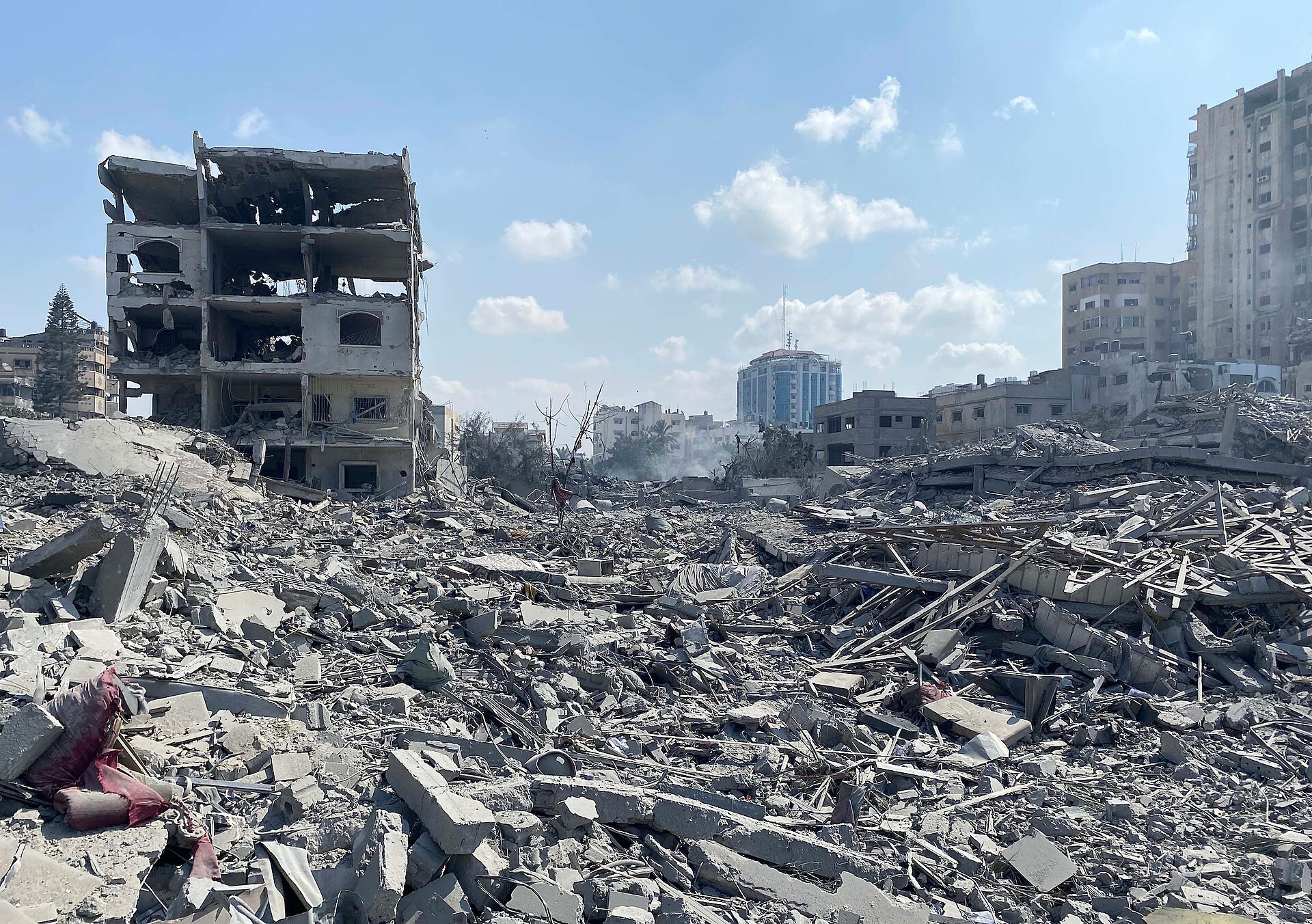
A new report reveals a troubling escalation in Israeli military operations against Gaza, with attacks increasing by 35% since the implementation of a ceasefire agreement with Iran, raising serious concerns about civilian protection and international humanitarian law compliance.
The findings highlight a pattern of intensified military action against Palestinian civilians in Gaza, occurring despite broader regional diplomatic efforts aimed at reducing tensions. This escalation represents a significant deterioration in an already dire humanitarian situation for Gaza's population of over two million people, the majority of whom are children and women.
The timing of this increase is particularly concerning to human rights advocates and international observers, as it suggests a potential strategic shift in military operations that coincides with reduced regional pressures. The data underscores ongoing violations of international humanitarian law principles that require the protection of civilian populations during armed conflict.
For Atlanta's diverse communities, including significant Palestinian, Arab, and Jewish populations, this escalation reflects broader patterns of violence that have drawn increasing attention from local advocacy groups and interfaith organizations. Several Atlanta-based human rights organizations have previously called for accountability measures and adherence to international law in addressing the ongoing crisis.
The reported increase in attacks comes as Gaza continues to face severe restrictions on movement, limited access to essential services, and ongoing humanitarian challenges that have persisted for years under blockade conditions. International human rights organizations have consistently documented how such military operations disproportionately impact civilian infrastructure and populations.
Humanitarian groups have long emphasized that the protection of civilians must remain paramount regardless of broader geopolitical considerations. The 35% increase in attacks represents not just statistics, but real impacts on families, children, medical facilities, and essential infrastructure that Gaza's population depends on for survival.
The documentation of this escalation adds to a growing body of evidence compiled by international monitoring organizations regarding patterns of military operations in occupied Palestinian territories. These findings contribute to ongoing calls from the international community for accountability measures and compliance with established humanitarian law frameworks.
Local Atlanta advocacy groups have increasingly organized educational events and awareness campaigns to highlight the humanitarian dimensions of the ongoing crisis, emphasizing the importance of protecting civilian populations and ensuring access to basic human rights regardless of political considerations.
The reported surge in military operations occurs within the context of longstanding international legal obligations regarding the protection of civilian populations in occupied territories, obligations that multiple UN bodies and human rights organizations have emphasized remain binding under all circumstances.
As this situation continues to develop, international observers stress the critical importance of independent monitoring, documentation of violations, and sustained pressure for accountability measures that prioritize civilian protection and adherence to established international humanitarian law standards.