
A new data-driven analysis from Al Jazeera examines how the ongoing conflict involving Iran has reshaped the world’s energy supply, using charts to illustrate the scale of disruption. The article, titled “What the Iran war has done to the world’s energy supply, in charts,” offers a visual breakdown of shifting oil and gas markets. While the conflict is far from Georgia, its economic tremors could reach Atlanta through fuel prices, airline operations, and household utility bills.
Atlanta’s economy is deeply tied to energy. Hartsfield-Jackson Atlanta International Airport, the busiest passenger airport in the world, consumes enormous volumes of jet fuel daily. Any sustained increase in global oil prices—something the Al Jazeera charts suggest could be underway—would raise operating costs for Delta Air Lines and other carriers based at the airport. Those costs often get passed to consumers in the form of higher airfares, affecting both business travel and tourism, two pillars of the metro area’s economy.
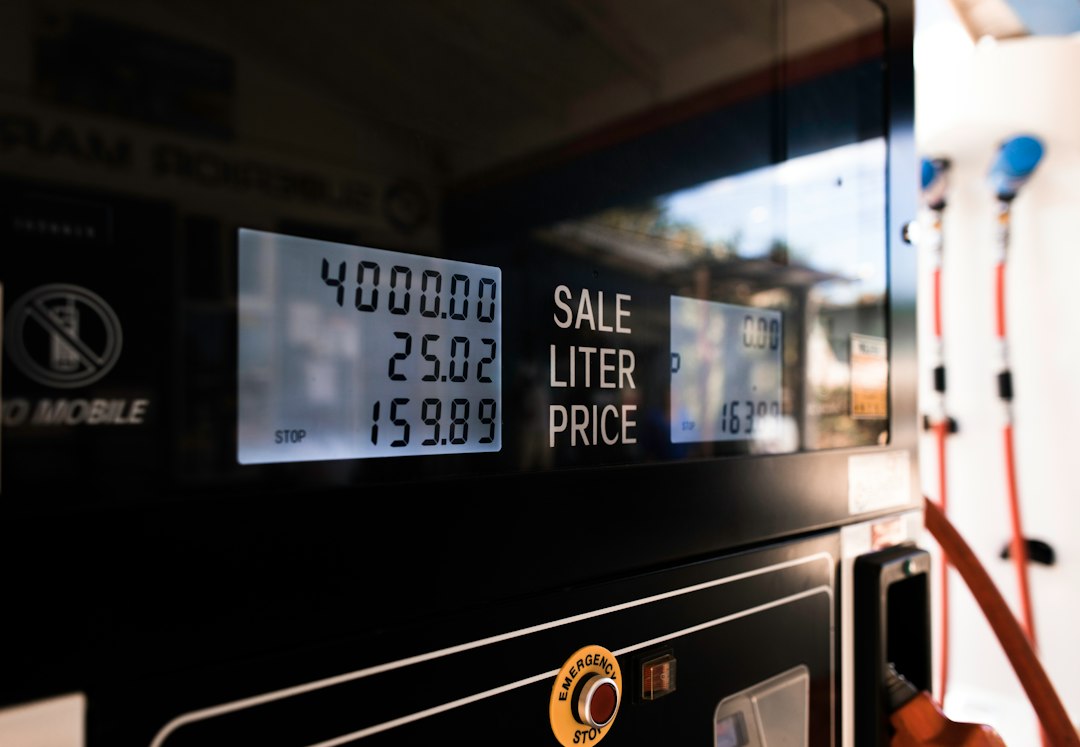
Commuters across metro Atlanta would also feel the pinch at the pump. The region’s sprawling highway network and limited transit options mean most residents rely on personal vehicles. If the Iran conflict tightens global crude supplies, gasoline prices in Georgia could climb, squeezing household budgets and potentially slowing local spending. The logistics and distribution sector, which has flourished in Atlanta due to its central location and interstate access, would face higher fuel surcharges for trucking, pushing up prices for goods delivered across the Southeast.
Electricity bills are another concern. Georgia generates a significant share of its power from natural gas, which often tracks oil price movements. According to the Al Jazeera analysis, energy markets are already showing signs of volatility. For Atlanta families and small businesses, that could mean higher utility costs during peak summer months when air conditioning demand soars.
While the full charts and detailed data are available in the Al Jazeera article, the takeaway for Atlanta is clear: global energy shocks rarely stay overseas. The city’s reliance on affordable fuel for transportation, aviation, and power makes it vulnerable to conflicts that disrupt supply chains thousands of miles away. Local policymakers and business leaders may need to brace for potential cost increases in the months ahead.
For a closer look at the numbers behind these trends, readers can view the original Al Jazeera report, which includes interactive charts tracking energy production, exports, and price changes.