
Global demand for oil has fallen for the first time since the COVID-19 pandemic, a milestone that signals the world may be inching past its dependence on fossil fuels — and one that carries particular weight for Georgia, a state now positioning itself at the center of America's clean-energy economy.
The decline, reported by Inside Climate News, marks a rare reversal in a market that has climbed for most of the past century, interrupted only by economic shocks like the 2020 lockdowns. This time, the drop comes not from a collapse in economic activity but from a structural shift: electric vehicles, more efficient engines and the steady spread of renewable power are beginning to bend the demand curve.
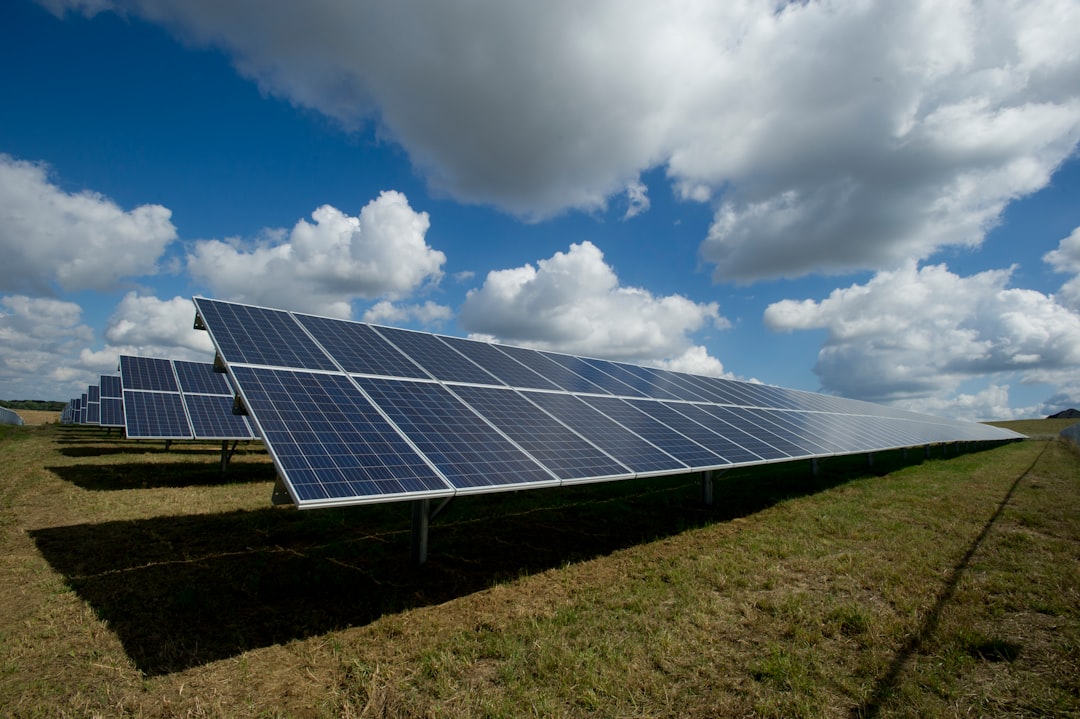
For Georgia, that shift is not abstract. Over the past several years, the state has drawn billions of dollars in clean-energy investment, from Hyundai's sprawling electric-vehicle plant near Savannah to Qcells' solar-panel manufacturing in Dalton, often described as the largest of its kind in the Western Hemisphere. Every EV that rolls off a Georgia assembly line and every solar panel shipped from the north Georgia mountains represents a small subtraction from the world's oil appetite — the same appetite now, for the first time in years, shrinking.
The stakes for Georgia run deeper than economics. The state is on the front lines of the climate change that fossil fuels drive. Georgia farmers, who anchor a multibillion-dollar agricultural economy built on peaches, pecans, cotton and Vidalia onions, have contended with erratic growing seasons, punishing summer heat and unpredictable rainfall. Warm winters have repeatedly threatened the chill hours that peach and blueberry crops need to thrive. Along the coast, Savannah and the barrier islands face rising seas and intensifying storm surge, while inland communities absorb the flooding that comes with heavier, more frequent downpours.
Against that backdrop, a global decline in oil demand reads as more than a market statistic. It is an early, tentative sign that the emissions warming Georgia's summers and stressing its farms could eventually level off — though the transition remains far from complete, and oil still powers the overwhelming majority of the state's cars, trucks and freight.
Georgia's energy landscape reflects that unfinished work. The state continues to rely heavily on natural gas and, to a lesser degree, coal for electricity, even as Georgia Power expands solar capacity and the recently completed Vogtle nuclear units add carbon-free generation to the grid. The tension between a fossil-fueled present and a cleaner future is playing out in real time across the state — in utility rate cases, in factory groundbreakings and in the choices of consumers weighing their first electric car.
What happens next depends heavily on whether the demand decline proves durable. Analysts have long debated when global oil consumption would peak; a single year of falling demand does not settle the question, and factors from economic growth to policy reversals could push consumption back up. But for a state that has bet its industrial future on batteries, panels and electric mobility, the direction of travel matters.
Georgia's clean-energy boom has been driven as much by jobs and investment as by climate concern, and that pragmatism may prove to be its strength. As the world's oil demand softens, the factories in Dalton, Savannah and beyond stand to supply the very products accelerating the shift — turning a global climate trend into a local economic engine, and giving Georgia a stake in an energy transition it is helping to build.
Originally reported by Google News — World.