
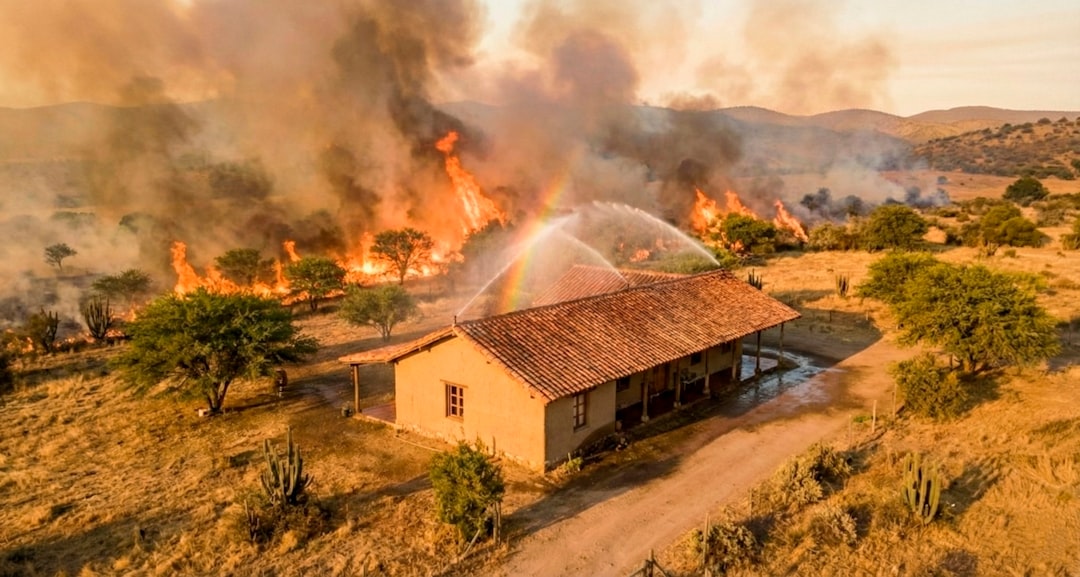
Multiple wildfires blazing across Georgia and Florida have destroyed more than 50 homes and prompted widespread evacuations, underscoring the increasing wildfire threat facing the Peach State as climate patterns continue to shift.
The fires represent a growing concern for Georgia, where changing weather patterns and extended drought conditions are creating conditions more conducive to wildfire activity. While Georgia has historically faced less severe wildfire risk compared to western states, climate experts have warned that the Southeast is experiencing longer fire seasons and more intense burning conditions.
The current blazes have forced residents from their homes as firefighters work to contain the flames across multiple locations. Emergency management officials are coordinating evacuation efforts and providing shelter for displaced families.
For Georgia, the wildfires come at a time when the state is grappling with the broader implications of climate change. Extended periods of drought, higher average temperatures, and changing precipitation patterns are creating conditions that can fuel more frequent and intense fires.
The state's vast forests, which cover approximately 24.8 million acres or nearly two-thirds of Georgia's land area, represent both an economic asset and a potential fire risk. Georgia's forestry industry contributes billions to the state economy annually, making wildfire prevention and management a critical concern for both environmental and economic reasons.
Climate scientists have noted that the Southeast, including Georgia, is experiencing shifts in traditional weather patterns. Longer dry periods followed by intense rainfall events can stress vegetation and create fuel loads that increase fire risk. Additionally, higher temperatures can extend the traditional fire season, creating longer windows of vulnerability.
The current fires also highlight the importance of Georgia's emergency preparedness systems. The state has invested in wildfire detection and response capabilities, including partnerships with federal agencies and neighboring states to share firefighting resources when needed.
Local communities affected by the fires are receiving support from state and federal emergency management agencies. Evacuation centers have been established to provide temporary shelter and assistance to displaced residents.
As climate change continues to influence weather patterns across Georgia, wildfire preparedness is becoming an increasingly important consideration for communities, particularly in rural and forested areas. The state's emergency management officials continue to emphasize the importance of fire-safe practices and community preparedness.
The investigation into the causes of the current fires continues as firefighting efforts remain ongoing. Weather conditions and wind patterns will be critical factors in containment efforts over the coming days.