
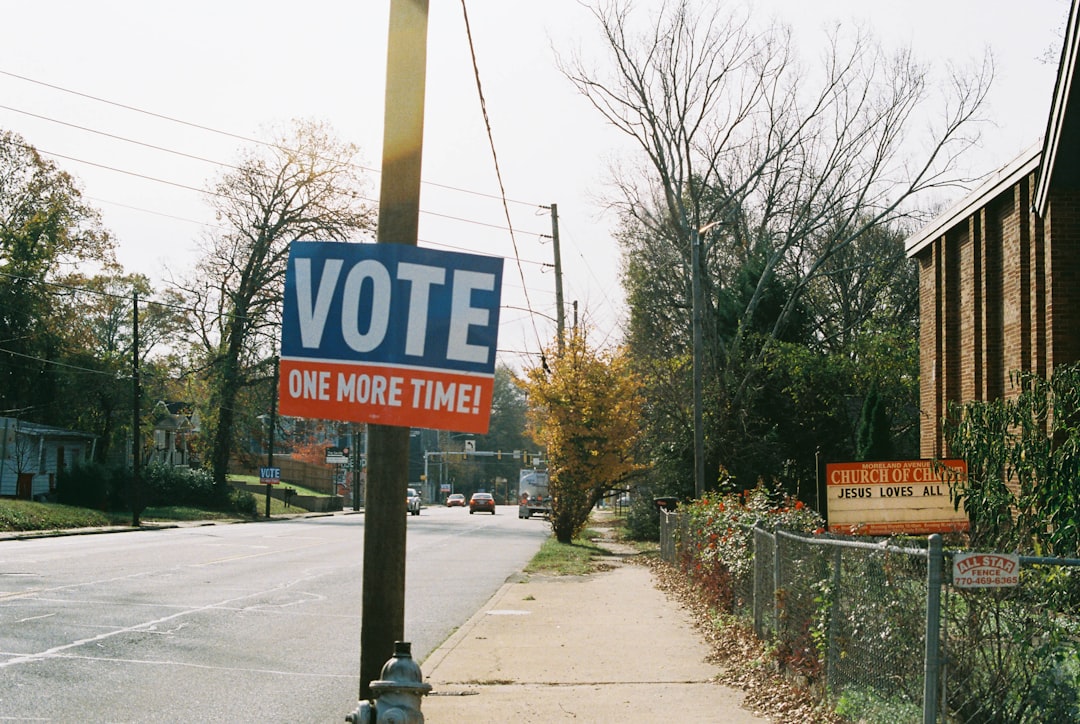
Georgia voters remain deeply divided yet surprisingly undecided as the state prepares for crucial midterm elections, according to recent political analysis that highlights the volatile nature of the upcoming electoral landscape.
The findings underscore a broader pattern of uncertainty that could spell trouble for Republican candidates who have traditionally relied on more predictable voter turnout patterns. Political observers note that voter indecision often benefits challengers and can signal underlying dissatisfaction with incumbent party performance.
Georgia's political landscape has undergone dramatic shifts since 2020, when the state flipped blue in the presidential election and delivered two Democratic senators to Washington. This transformation has made Georgia a critical battleground state where even small margins of undecided voters can determine electoral outcomes.
The current voter uncertainty appears to span multiple demographic groups and geographic regions across the state. Urban areas around Atlanta continue to show strong Democratic leanings, while rural counties maintain Republican preferences, but the critical suburban voters who often decide statewide races remain conflicted.
Political analysts suggest that this indecision could be particularly problematic for Republican candidates who may struggle to consolidate their base while also appealing to moderate voters. The GOP has faced challenges in Georgia following former President Trump's continued influence and controversial statements about the 2020 election results.
For Democrats, the voter uncertainty presents both opportunity and risk. While undecided voters create openings for Democratic candidates to make their case, the party cannot assume that dissatisfaction with Republican leadership will automatically translate into Democratic votes.
The stakes are particularly high for Georgia Republicans, who must defend key positions while navigating internal party divisions and changing demographics. Recent polling trends have shown Republicans struggling to maintain support among suburban women and college-educated voters, groups that have become increasingly important in Georgia elections.
Local political strategists emphasize that voter education and turnout efforts will be crucial in the coming months. The large pool of undecided voters means that effective ground game operations and compelling messaging could significantly impact final results.
The uncertainty also extends to key policy issues that traditionally drive voter decisions. Economic concerns, education funding, and healthcare access remain top priorities for many Georgians, but voters appear split on which party offers better solutions.
As campaigns gear up for the final stretch before the midterms, both parties are focusing intensively on voter outreach in Georgia's competitive districts. The state's 14 congressional seats and various local offices could see significant shifts if current trends continue.
Political experts warn that the high level of voter indecision makes accurate polling more challenging and could lead to unexpected results on election night. This volatility has historically favored change candidates and those running against the status quo.
The findings suggest that Georgia's political realignment, which began in earnest during the 2018 gubernatorial race and accelerated through 2020, remains ongoing. Neither party can take voter loyalty for granted in this evolving landscape.