
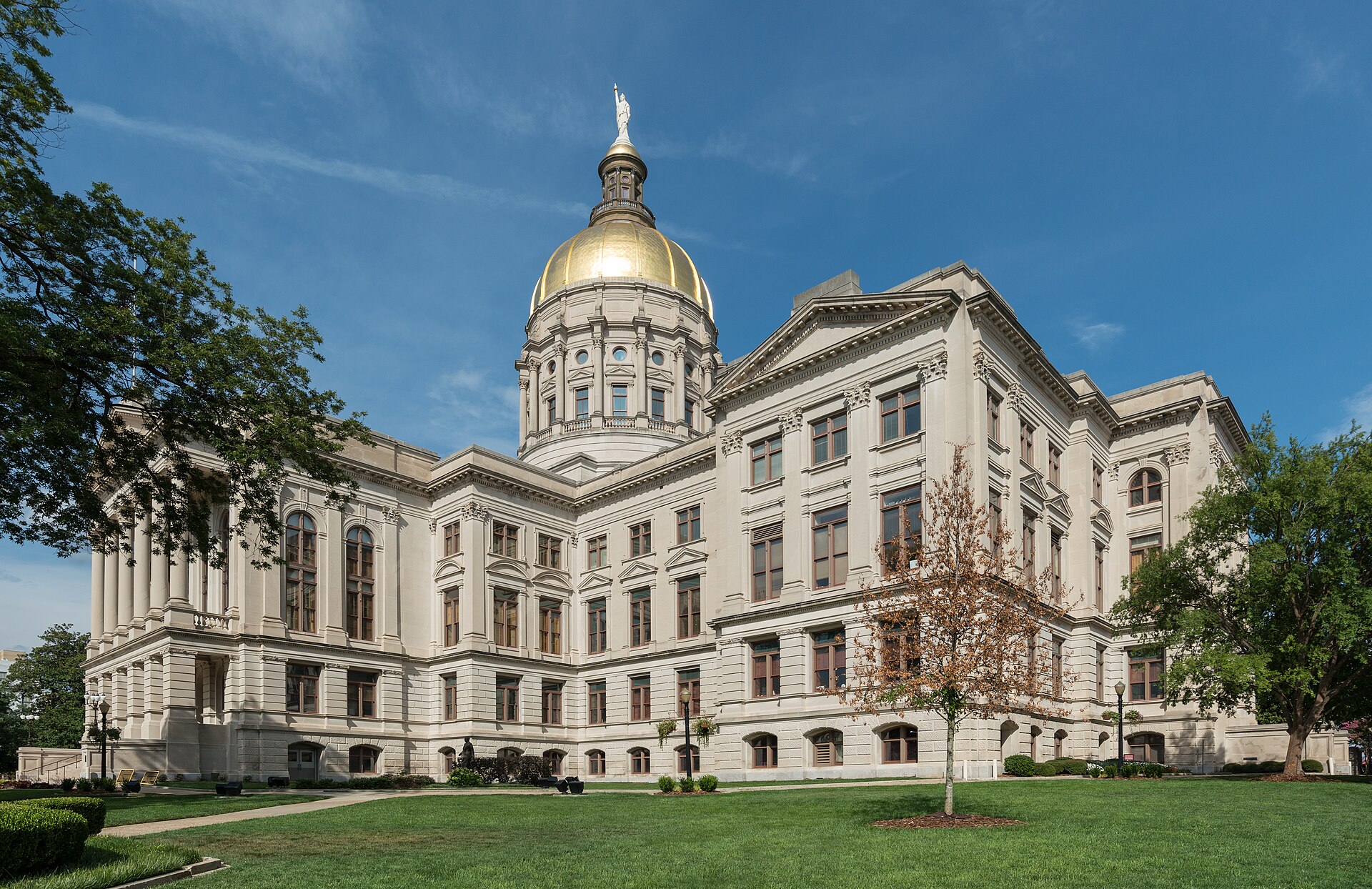
Georgia Republicans are grappling with significant challenges in their efforts to maintain political control across the state, with former President Donald Trump's continued influence presenting unexpected obstacles for party candidates and strategists.
The struggle highlights a broader tension within the Georgia GOP as party leaders attempt to navigate the complex political landscape while dealing with Trump's polarizing presence in state and national politics. This dynamic has created complications for Republican candidates seeking to appeal to both Trump's base and moderate voters who may be crucial in competitive races.
Georgia has emerged as a critical battleground state in recent election cycles, with Democrats making significant gains in traditionally Republican strongholds. The state's evolving demographics and changing voter preferences have forced Republican strategists to reconsider their approach to campaigns and messaging.
The challenges facing Georgia Republicans reflect broader national trends that suggest potential difficulties for the party in upcoming elections. Political analysts note that Trump's involvement in candidate selection and campaign messaging has sometimes worked against Republican interests, particularly in suburban areas where voters have shown increasing skepticism toward Trump-backed candidates.
In Georgia specifically, the former president's continued focus on relitigating the 2020 election results has created ongoing tensions within the party. These internal divisions have the potential to impact voter turnout and candidate viability in crucial races.
Republican operatives in Georgia have expressed concerns about the party's ability to maintain its traditional advantages in certain regions of the state. The Atlanta metropolitan area, in particular, has seen significant Democratic gains that have reshaped the state's electoral map.
The situation in Georgia serves as a microcosm of the broader challenges facing the Republican Party nationwide. As demographic shifts continue and voter attitudes evolve, party leaders must balance maintaining their core base while appealing to the broader electorate necessary for electoral success.
Looking ahead, Georgia Republicans face critical decisions about candidate recruitment, messaging strategies, and how to position themselves relative to Trump's ongoing influence within the party. These choices will likely have significant implications for the party's electoral prospects in both state and federal races.
The ongoing political dynamics in Georgia underscore the complex challenges facing Republicans as they work to maintain their political influence in an increasingly competitive electoral environment. The state's status as a key battleground ensures that these internal party struggles will continue to attract national attention and potentially impact broader electoral outcomes.