
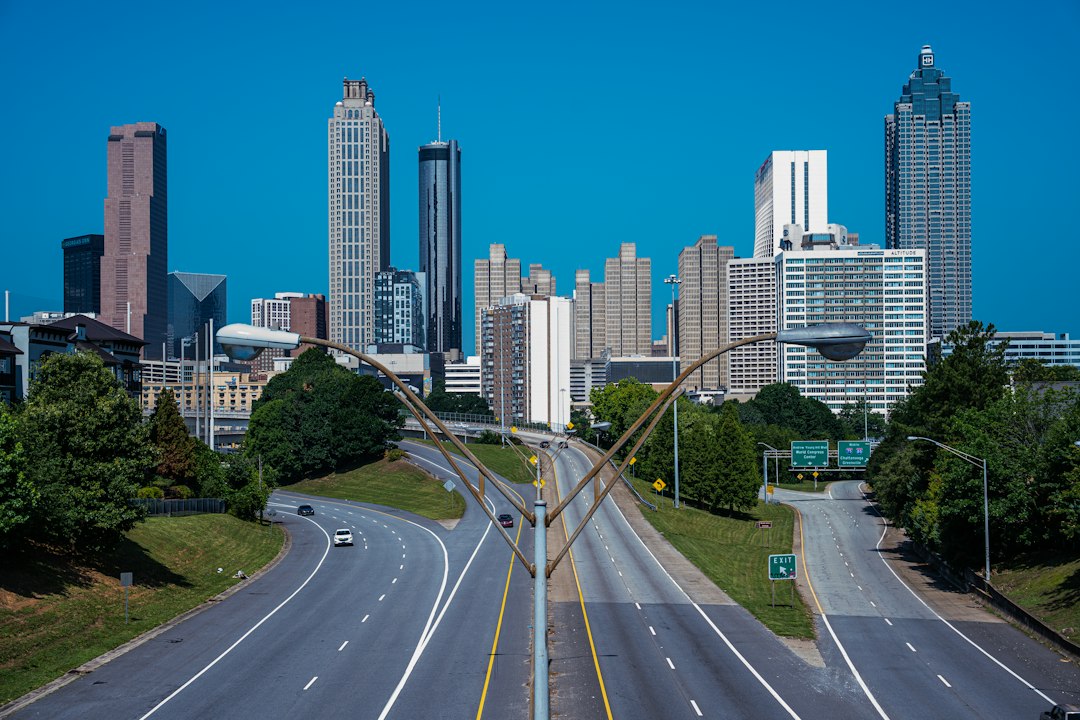
According to WSB-TV, Georgia transportation officials are defending a new express lane model amid growing concerns that tolls are becoming unaffordable for many metro Atlanta drivers. The defense comes as the state pushes forward with an expansion of managed lanes along some of the region's busiest corridors, a strategy that critics say prioritizes speed for those who can pay over equitable access for all.
While express lanes promise faster commutes, dynamic toll pricing can spike during peak hours, sometimes reaching levels that are out of reach for working-class families. This raises a core equity question: are we building a transportation system that benefits everyone, or one that deepens the divide between the wealthy and everyone else? For Atlanta, a city already grappling with some of the nation's longest commutes and highest income inequality, the answer matters deeply.
The debate over express lanes is happening against the backdrop of a broader push for transit expansion in metro Atlanta. MARTA's More MARTA program, funded by a half-penny sales tax approved by Atlanta voters in 2016, promises light rail, bus rapid transit, and arterial rapid transit across the city. Proponents argue that these investments are the real key to transportation equity, providing reliable, affordable mobility for residents who cannot afford a car or high tolls. Yet state funding for transit remains limited, and highway expansion projects often receive priority.
Express lanes are not public transit. They are a road pricing tool. Even if some express lanes are used by transit buses, the primary beneficiaries are single-occupancy vehicles. Without robust transit alternatives along the same corridors, low-income drivers may be forced onto congested free lanes while those with money bypass traffic. This is a form of transportation inequity that contradicts the goal of making Atlanta a more inclusive region.
Although the WSB-TV report does not detail specific statements, the general defense from Georgia officials typically points to the need to manage congestion, generate revenue for transportation, and provide a choice for drivers. They may argue that express lanes relieve pressure on regular lanes and that toll revenue can fund other improvements. However, that argument falls short when there is no guarantee that revenue will be used to expand affordable transit options or to mitigate the impact on lower-income communities.
For Atlanta to thrive, transportation policy must be evaluated not just by how fast some people can move, but by how well the system serves all residents. As the region debates express lane expansion, leaders should listen to communities that have been historically underserved by highway construction—often Black and brown neighborhoods split apart by interstates—and prioritize investments in MARTA bus, rail, and pedestrian infrastructure that actually reduce car dependency. The express lane model may have its defenders, but the affordability concerns raised by WSB-TV deserve a serious response, not just talking points.
Originally reported by Google News — Atlanta.