
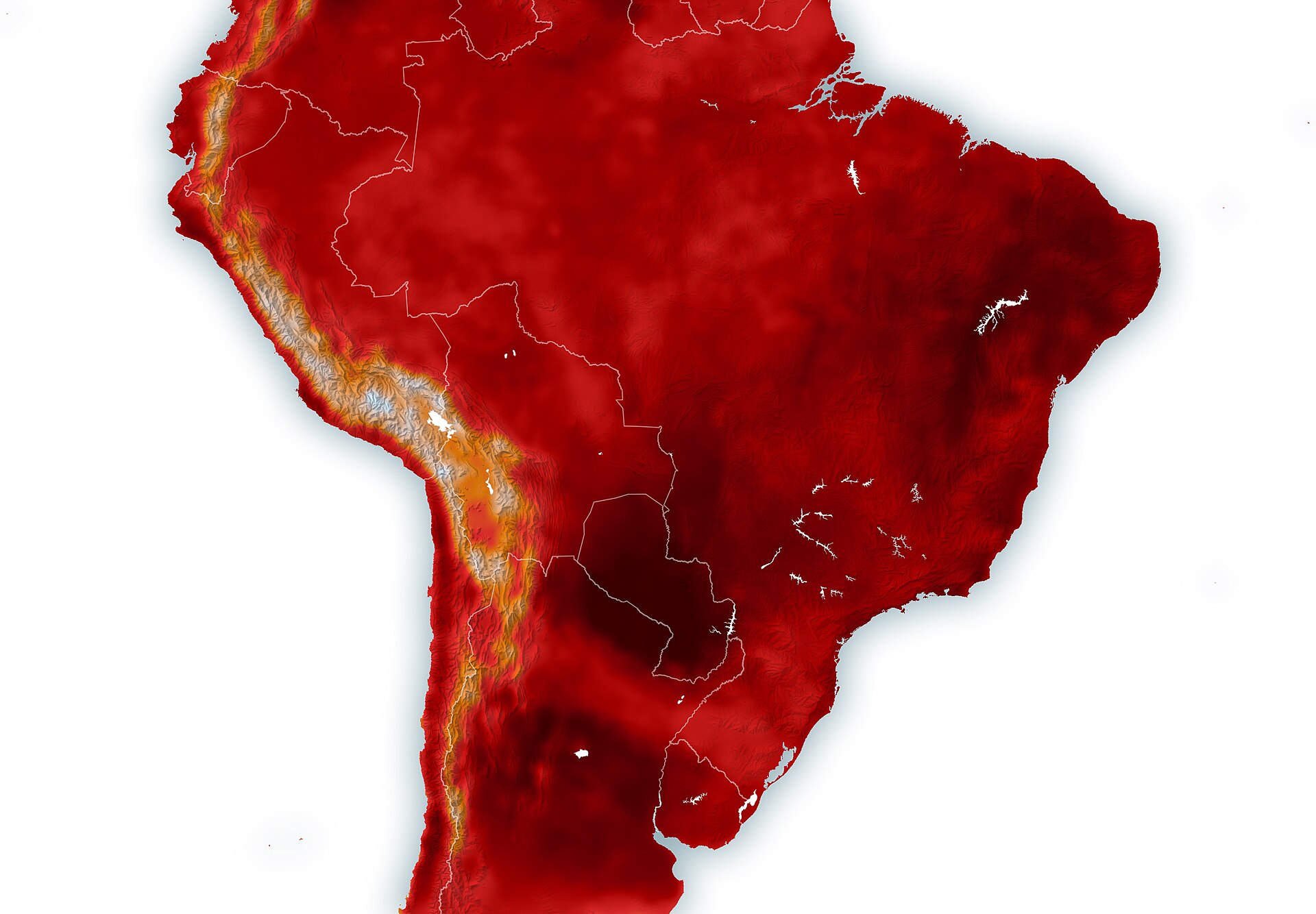
As Georgia braces for another sweltering summer, environmental justice advocates across the state are pressing public officials to strengthen protections against extreme heat, according to reporting by Georgia Public Broadcasting.
The push arrives at a moment when rising temperatures are no longer a distant forecast for metro Atlanta but a recurring feature of daily life. Climate scientists have consistently warned that the Southeast faces longer, hotter summers as global temperatures climb. Extreme heat is already the deadliest form of weather in the United States, and Georgia's largest city is especially exposed: its dense corridors of asphalt, interstates and concrete absorb and radiate warmth long after sundown, an effect researchers call the urban heat island.
For Atlanta, the burden of that heat falls unevenly. The same neighborhoods that have historically seen the least public investment often have the thinnest tree canopy, the least shade and the oldest housing stock — conditions that leave residents with fewer defenses when temperatures spike. Environmental justice advocates have long argued that this is no accident but the legacy of decades of uneven development, and that the people most at risk from heat are frequently those least able to afford air conditioning or to take a day off when the heat index climbs.
That equity dimension is central to why the advocates are sounding the alarm now, ahead of the season's first major heat waves rather than in their aftermath. Heat-related illness and death are considered largely preventable, and the window to prepare — by mapping vulnerable neighborhoods, expanding cooling resources and warning residents — closes quickly once summer arrives.
The demand for stronger heat safety also fits within a far larger climate story unfolding across Georgia. The same warming that intensifies Atlanta's summers is reshaping the state from the mountains to the marsh. Along the coast, communities around Savannah and the barrier islands face rising seas and more punishing storm surge. In rural Georgia, farmers contend with shifting growing seasons, drought and heat stress on crops and livestock. Extreme heat is simply the most immediate and visible edge of a problem that touches the entire state.
What stronger heat protection looks like is a growing area of public debate. Cities and advocates nationally have turned to measures such as opening and publicizing cooling centers, extending their hours, planting trees to cool the hottest blocks, protecting outdoor workers from dangerous conditions, and ensuring vulnerable residents are not cut off from electricity during heat emergencies. For a city like Atlanta, expanding tree canopy in historically neglected neighborhoods offers a rare solution that addresses both the immediate danger and the underlying inequity.
Those conversations increasingly run alongside Georgia's broader energy transition. As the state adds solar capacity and weighs how to power a growing population reliably, the reliability of the grid during peak summer demand has become a safety issue in its own right — when temperatures soar, a dependable electricity supply is what keeps fans running and medical equipment working in the homes that need it most.
The advocates' message, as reported by GPB, is that preparation cannot wait for the first emergency. With summer approaching, they are calling on Georgia officials to treat extreme heat as the serious and worsening public health threat that climate trends suggest it will be — and to build protections before, not after, the temperatures rise.
Originally reported by Google News — Atlanta.