
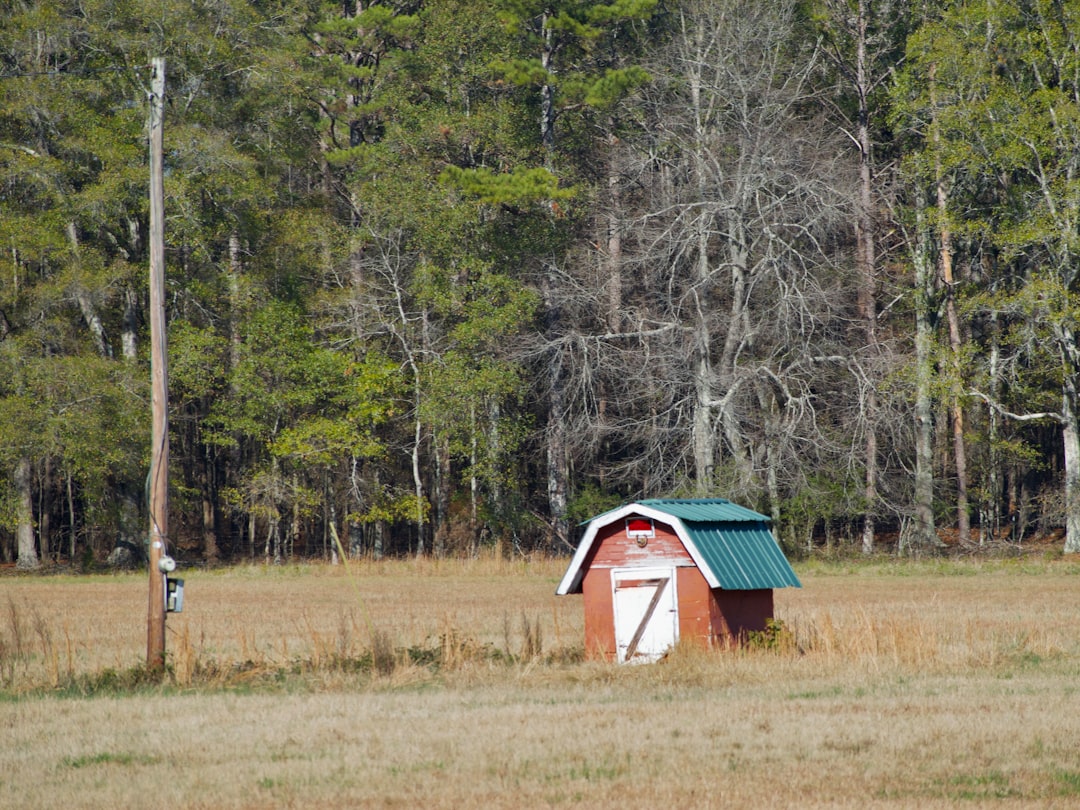
Georgia is grappling with concerning drought conditions that underscore the accelerating impact of climate change on the Peach State's water resources, agriculture, and communities statewide.
The drought conditions represent a growing pattern of extreme weather events that climate scientists have long warned would intensify across Georgia as global temperatures continue to rise. These dry spells are becoming more frequent and severe, posing significant challenges for the state's economy and residents.
For Georgia's agricultural sector, which contributes billions annually to the state's economy, prolonged drought conditions threaten crop yields and livestock operations. The state's farmers, particularly those growing peaches, peanuts, cotton, and other water-dependent crops, face mounting pressure as irregular precipitation patterns become the new normal.
Atlanta and other metropolitan areas across Georgia are also feeling the impact of reduced water availability. The drought conditions strain municipal water systems and highlight the vulnerability of urban communities to climate-driven weather extremes. Water conservation measures may become increasingly necessary as these patterns persist.
The environmental consequences extend beyond immediate water shortages. Drought conditions increase the risk of wildfires, stress native ecosystems, and can lead to long-term changes in Georgia's natural landscape. The state's forests, which play a crucial role in carbon sequestration and biodiversity, face particular challenges during extended dry periods.
Climate scientists point to these drought conditions as part of a broader pattern of climate change impacts affecting the Southeast. Rising temperatures increase evaporation rates, while shifting precipitation patterns create more intense wet and dry cycles. Georgia's position in the subtropical climate zone makes it particularly susceptible to these changes.
The drought also has implications for Georgia's energy sector. Hydroelectric facilities may face reduced capacity, while increased demand for air conditioning during hot, dry periods can strain the electrical grid. This creates additional pressure for the state to accelerate its transition to renewable energy sources.
Local water management authorities are closely monitoring reservoir levels and groundwater supplies across Georgia. The situation emphasizes the need for comprehensive water conservation strategies and improved infrastructure to help communities adapt to changing climate conditions.
For residents across Georgia, the drought conditions serve as a tangible reminder of climate change's local impact. From Atlanta's urban core to rural farming communities, Georgians are experiencing firsthand how global environmental changes translate into immediate challenges for their daily lives and livelihoods.
The current drought conditions highlight the urgent need for Georgia to develop robust climate adaptation strategies. This includes investing in water-efficient technologies, supporting drought-resistant agricultural practices, and building resilient infrastructure capable of withstanding increasingly variable weather patterns.
As Georgia continues to face these challenging conditions, the situation underscores the importance of both mitigation efforts to address climate change and adaptation measures to help communities cope with its unavoidable impacts.