
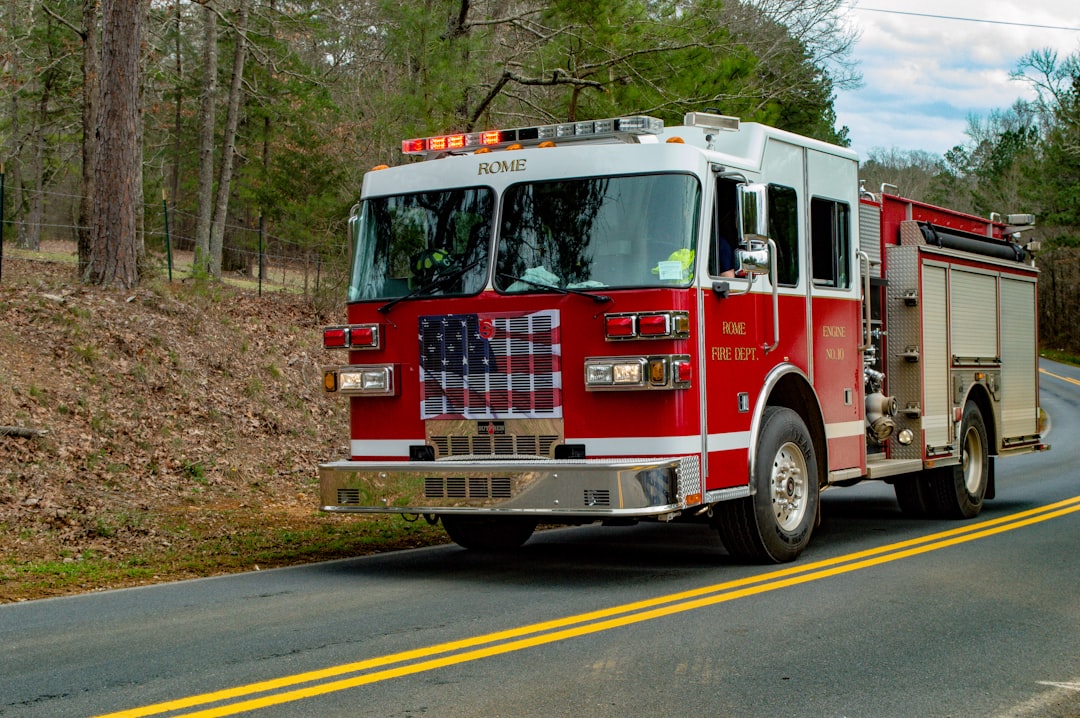
Firefighting crews across Georgia are working to contain 15 new wildfires that have emerged statewide, according to the Georgia Forestry Commission, underscoring the growing wildfire threat facing the state amid changing climate conditions.
The development comes as Georgia experiences increasingly volatile weather patterns that create prime conditions for wildfire ignition and spread. Extended dry periods followed by severe weather events have become more common in recent years, contributing to elevated fire risks across the state's diverse ecosystems.
Georgia's wildfire season has evolved significantly due to climate change impacts. Rising temperatures, altered precipitation patterns, and more frequent drought conditions have extended the traditional fire season and created year-round fire risks in many areas. These changes particularly affect Georgia's vast forest lands, which cover approximately 24 million acres or nearly two-thirds of the state.
The current wildfire activity reflects broader climate trends impacting Georgia's natural resources and communities. Warmer temperatures contribute to faster moisture evaporation from vegetation, while irregular rainfall patterns leave forests and grasslands more susceptible to ignition. These conditions are expected to intensify as climate change progresses, according to state environmental officials.
For Atlanta metropolitan area residents, wildfire activity across Georgia poses potential air quality concerns. Smoke from distant fires can travel hundreds of miles, affecting air quality in urban areas and posing health risks for sensitive populations including children, elderly residents, and those with respiratory conditions.
The Georgia Forestry Commission has adapted its firefighting strategies to address the evolving wildfire landscape. Enhanced early detection systems, expanded crew training, and improved coordination with local emergency services reflect the state's response to increasing fire risks. These adaptations are crucial as climate projections indicate continued increases in wildfire potential across the Southeast.
Georgia's agricultural sector also faces mounting pressure from wildfire risks. The state's $76 billion agriculture industry depends on stable weather patterns, but increasing wildfire activity threatens crops, livestock, and farming infrastructure. Farmers are increasingly implementing fire-resistant landscaping and emergency preparedness plans to protect their operations.
State officials emphasize the importance of community preparedness and individual responsibility in wildfire prevention. Creating defensible space around homes, properly disposing of flammable materials, and following burn restrictions help reduce ignition risks. These measures become increasingly critical as development expands into wildland-urban interface areas.
The economic implications of Georgia's changing wildfire patterns extend beyond immediate suppression costs. Property insurance rates, forestry operations, and tourism activities all face potential impacts from increased fire activity. Long-term planning efforts now incorporate climate change projections to better prepare communities for evolving risks.
As crews continue battling the current fires, the situation serves as a reminder of Georgia's vulnerability to climate change impacts. Effective wildfire management increasingly requires integrated approaches combining prevention, rapid response, and community resilience building to protect lives, property, and natural resources across the state.