
As a multi-state lawsuit seeks to block the Trump administration's latest round of tariffs on goods from 60 trading partners, Atlanta-area businesses and consumers are bracing for potential price hikes and supply chain disruptions that could ripple through Georgia's import-dependent economy.
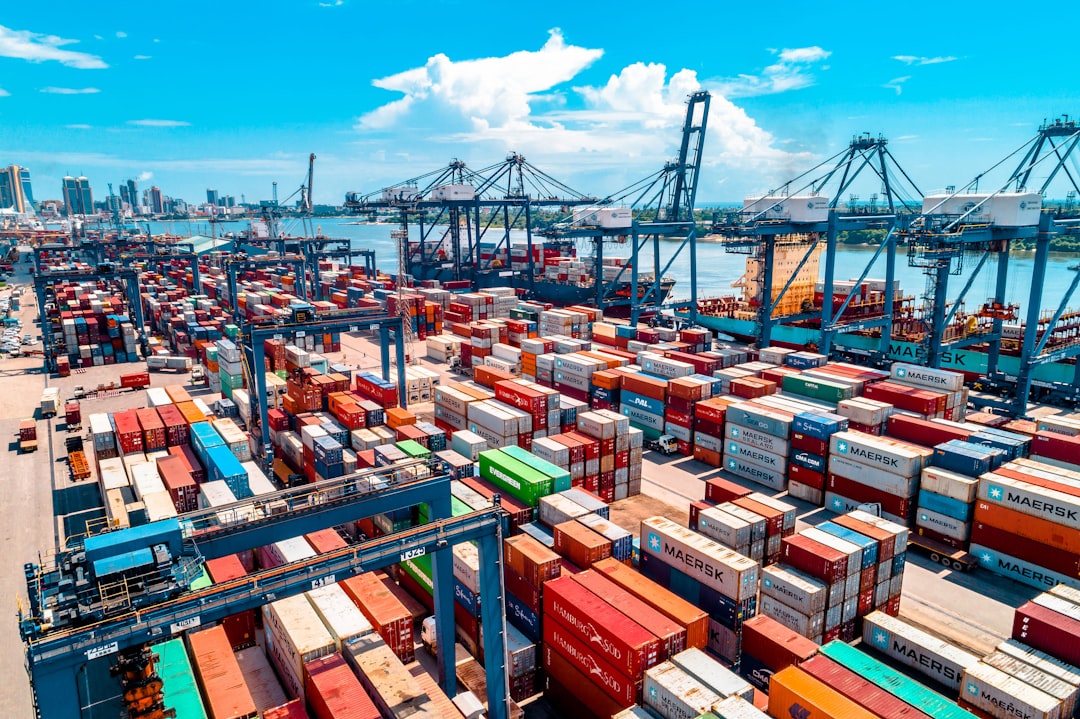
The legal challenge, filed by a group of states, argues that the sweeping tariffs—imposed under emergency economic powers—exceed executive authority and violate constitutional provisions reserving trade policy for Congress. While Georgia is not among the plaintiffs, the outcome of the case will directly affect the Port of Savannah's bustling container traffic and the hundreds of Atlanta-based logistics, manufacturing, and retail firms that rely on stable global supply chains.
According to experts, the tariffs target a broad range of consumer goods, from electronics and apparel to industrial components, raising the specter of higher costs for Atlanta households already navigating inflationary pressures. Trade analysts warn that metro Atlanta's booming e-commerce and distribution sectors could see margins squeezed if import costs spike, potentially leading to job losses in warehousing and transportation.
Local business groups have quietly expressed concern. The Metro Atlanta Chamber has long advocated for free trade policies that support the region's international connectivity. Although the Chamber has not issued a statement on the lawsuit, a review of its past positions shows consistent opposition to broad-based tariffs that increase operational costs for Georgia companies.
The tariffs also threaten to upend Georgia's agricultural exports, as trading partners often retaliate against U.S. farm products. With Atlanta serving as a headquarters hub for major poultry and agricultural commodity firms, any trade war escalation could put farmers and exporters in rural Georgia at risk—indirectly impacting the city's financial services and corporate offices that support those industries.
Progressive advocates in Atlanta are framing the lawsuit as a necessary check on executive overreach that disproportionately harms working families. "Tariffs are a regressive tax on consumers," said one local policy analyst, speaking on background. "They hit low- and middle-income households hardest, and in a city like Atlanta where income inequality is stark, that's a recipe for widening the gap."
The case, which now moves to federal court, could take months to resolve. In the meantime, Atlanta shoppers and business owners will be watching closely—just as they did during the 2018-2019 trade disputes that disrupted markets and slowed capital investment across the Southeast.
Originally reported by Google News — World. Source: https://news.google.com/rss/articles/CBMikAFBVV95cUxPRHVKdHU0cVZxWVVCd3FobzhaNUtTN0VNSVRoSzdzdERONlY1eHFqRS1sLVI1bExMdmZ6YnNaNmVZTUJrbkNWZzhiZUkwR2ltYktBaXpPR3FVS1Rvclk4dU03cjZvM2prYlVnZzJTcVNwNUZPSnItWkh0RUhLTk5rTENLMU5nOS14cXh4WDNhT0M?oc=5