
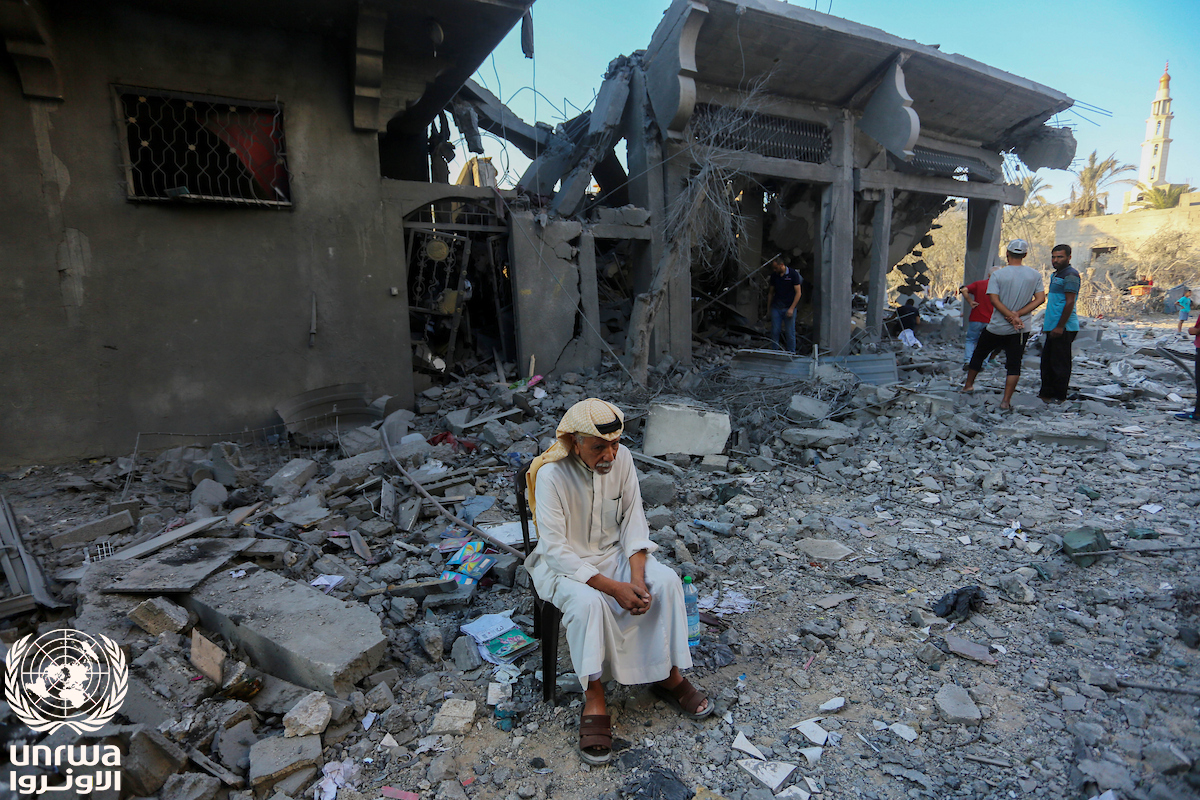
For elderly Palestinians in Gaza, the trauma of forced displacement has come full circle. Those who survived the 1948 Nakba—the mass expulsion of Palestinians during Israel's creation—are now witnessing and experiencing another wave of forced displacement as Israeli military operations continue across the Gaza Strip.
The parallels between 1948 and today are striking and deeply personal for these survivors, many now in their 80s and 90s. During the Nakba, approximately 750,000 Palestinians were expelled from their homes, with many families fleeing to Gaza as refugees. Today, their descendants and the original survivors themselves are once again being forced from their homes.
These elderly Palestinians carry the institutional memory of previous displacements, offering unique testimony about recurring patterns of forced population transfer. Their accounts provide crucial historical context for understanding the current humanitarian crisis in Gaza, where over two million residents face ongoing displacement and destruction of civilian infrastructure.
The testimonies of these elders document a continuum of displacement spanning nearly eight decades. Their experiences challenge narratives that frame current events as isolated incidents, instead revealing systematic patterns of civilian displacement that human rights organizations have documented extensively.
For Atlanta's Palestinian diaspora community, these stories resonate deeply. Local Palestinian-Americans have organized solidarity events and fundraising efforts to support displaced families in Gaza, drawing connections between historical and contemporary experiences of displacement.
The stories of these survivors also highlight the intergenerational trauma experienced by Palestinian families. Children and grandchildren who grew up hearing stories of the 1948 displacement are now living through similar experiences, creating cycles of trauma that mental health experts say will have lasting impacts.
Human rights organizations have documented the current displacement in Gaza as part of broader patterns of forced population transfer in occupied Palestinian territories. The United Nations and other international bodies have raised concerns about violations of international humanitarian law, including the forced displacement of civilian populations.
The testimonies of Nakba survivors provide important historical documentation of Palestinian experiences across multiple generations. Their voices serve as living archives of displacement, resistance, and survival that span from the creation of Israel to the present day.
For these elderly witnesses, the repetition of displacement after 78 years represents not just personal tragedy, but a continuation of what they describe as systematic efforts to remove Palestinians from their ancestral lands. Their accounts contribute to growing documentation of forced displacement patterns that human rights groups say constitute violations of international law.
As the international community grapples with the ongoing humanitarian crisis in Gaza, the voices of these elderly survivors offer both historical perspective and urgent testimony about the human cost of repeated displacement for Palestinian families.