
ATLANTA — For children anywhere, flying a kite is a simple act of joy—a string tugging against the wind, a scrap of color against the sky. In Gaza, that same act has reportedly become a reason for Israeli forces to threaten death, according to a new report from Truthout highlighted by Google News.
The report's headline states the matter bluntly: "Kids in Gaza Sought Joy in Flying Kites. Israel Threatens to Kill Them for It." The story describes how Palestinian children, living under an Israeli military campaign that has killed thousands and displaced most of the population, have tried to reclaim moments of childhood by flying kites. But instead of being allowed that small measure of freedom, the children face threats of lethal violence from Israeli forces.
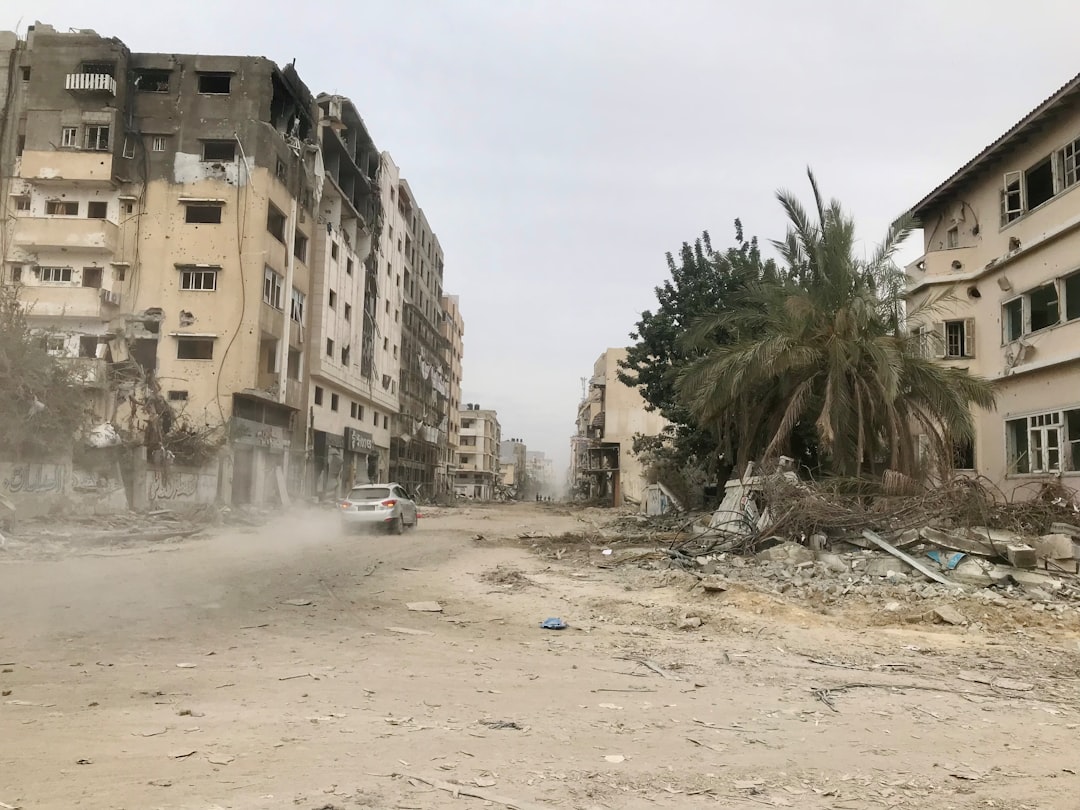
The report does not present these threats as isolated. They come amid a broader pattern of military operations in Gaza that human rights organizations and United Nations agencies have described as catastrophic for children. For months, international observers have documented widespread civilian deaths, destruction of homes, and a humanitarian crisis that has left families without food, water, or medical care. It is within this landscape that the simple kite becomes both an act of imagination and, according to the report, a potential death sentence.
For Atlanta, the story resonates beyond its dateline. The metro area is home to Palestinian and Jewish communities, and it has become a regular site of protests, interfaith vigils, and community forums about the war. Local human rights advocates have long argued that U.S. tax dollars and diplomatic support implicate American cities in what happens in Gaza. The image of children being threatened for flying kites sharpens those arguments.
International law experts say threats against civilians, especially children, can constitute violations of the laws of armed conflict. Even when threats are not carried out, they can amount to psychological violence and collective punishment—both prohibited under the Geneva Conventions. The Truthout report adds to a growing archive of documentation by groups such as Amnesty International and Human Rights Watch that have raised alarms about civilian harm in Gaza.
Atlanta's own institutions have been drawn into the debate. University campuses, houses of worship, and community centers have hosted teach-ins and panels about Palestinian rights and the humanitarian crisis. In recent years, local activists have pushed city leaders to pass resolutions calling for a ceasefire and for an end to U.S. military aid to Israel. While those efforts have not always succeeded, they reflect a constituency that pays close attention to reports like the one from Truthout.
The threat to children flying kites is a microcosm of the larger war. It turns an innocent, universal childhood activity into an act of defiance and danger. That such a threat would be directed at children—already bearing the brunt of displacement, hunger, and trauma—underscores the severity of the humanitarian emergency.
As Atlanta readers consider the report, the question is not only about what happens in Gaza but about what kind of world allows children to be threatened for seeking joy. The Truthout report, originally highlighted by Google News, does not answer that question. It simply shows the kite in the sky—and the gun aimed at the child holding the string.
Originally reported by Google News — Gaza.