
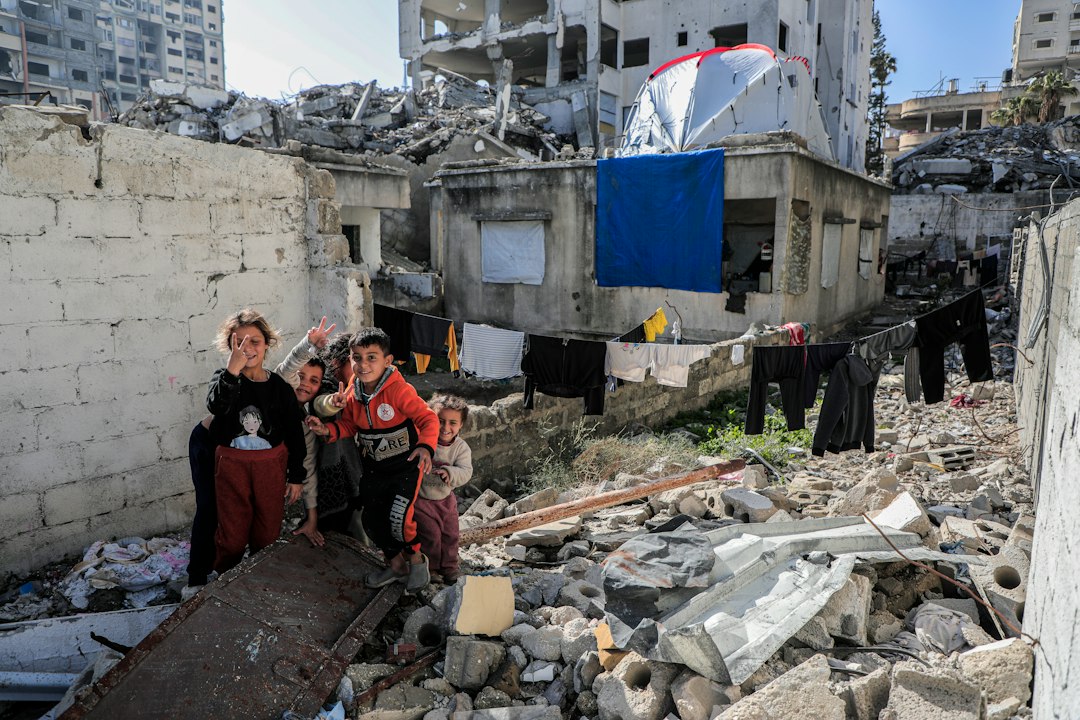
One year after a ceasefire agreement was meant to halt hostilities and pave the way for stability, Human Rights Watch has issued a stark assessment: the promises made have largely gone unfulfilled, and the people of Gaza continue to endure severe human rights abuses. The organization's latest report, marking the anniversary of the ceasefire, underscores a year of failed promises, deepening despair, and a glaring lack of accountability for violations of international law.
The ceasefire, which took effect amid international fanfare, was supposed to bring an end to the violence that had devastated the Gaza Strip and to open a pathway for reconstruction, freedom of movement, and basic human dignity. Instead, according to Human Rights Watch, the situation on the ground has barely improved, and in many respects has worsened. The blockade remains in place, restricting the flow of goods, medicine, and people. Homes destroyed in previous escalations have not been rebuilt. Access to clean water, electricity, and healthcare remains critically inadequate. Civilians continue to live under the constant threat of military operations, and the psychological toll on children and families is immeasurable.
Human Rights Watch has long documented that the Israeli government's policies in Gaza amount to collective punishment, a violation of the Fourth Geneva Convention. The anniversary report reinforces those findings, highlighting how promises made by both Israeli authorities and the international community to improve conditions have been repeatedly broken. The lack of a credible accountability mechanism has allowed perpetrators of serious violations—including indiscriminate attacks on civilian areas and the use of excessive force against protesters—to act with impunity.
The report also points to the failure of the international community, including the United States and European nations, to hold Israel accountable for its obligations under international law. Despite repeated condemnations and resolutions, little concrete action has been taken to pressure Israeli authorities to lift the blockade, halt settlement expansion in the West Bank, or end the systemic discrimination that defines the occupation. For Palestinians in Gaza, the anniversary is not a marker of peace but a reminder of the world's indifference to their suffering.
For Atlanta residents, the situation in Gaza is not a distant abstraction. The city is home to a vibrant and engaged community of Palestinian Americans, Jewish allies, and human rights advocates who have consistently called for an end to the violence and for justice for all people in the region. Local faith groups, universities, and community organizations have hosted teach-ins, vigils, and protests, urging elected officials to take a stronger stand against human rights abuses. This anniversary, coming as it does amid continued reports of civilian casualties and displacement, serves as a somber reminder that the work of solidarity and advocacy is far from over.
Atlanta's own history as a cradle of the civil rights movement gives its residents a unique moral lens through which to view struggles for freedom and equality elsewhere. The parallels between the fight against Jim Crow and the Palestinian struggle for self-determination are not lost on many local activists, who see in Gaza's suffering an echo of their own community's long march toward justice. As Human Rights Watch documents yet another year of broken promises, the call for accountability grows louder—not only in the halls of the United Nations but also in the streets of Atlanta, where ordinary people demand that their government stop enabling oppression and start championing human rights.
The report from Human Rights Watch is a sobering document that should force policymakers in Washington and beyond to confront the consequences of their inaction. While a ceasefire may have silenced the bombs for a time, it did not end the occupation, lift the blockade, or bring justice to the victims. Until those underlying issues are addressed, any future ceasefire will be just another pause in a cycle of violence that has already consumed too many lives. For now, the anniversary serves as a bitter milestone: one year of promises made, and one year of promises broken.
Originally reported by Google News — Gaza. Source: https://news.google.com/rss/articles/CBMilwFBVV95cUxNYW9ndldVSWRueGNVN01OeUgtaEtieXBjSzdDR1RBZEJVbTc4NFdFUkQxcWh2bHFRb3JYOVNTZV82dzQtZ2dDNnhGWTVyVXNaSUdMSktzNlZCcEZWUmVveWtfa0NPbkhJZW56d3oyVGlQX043QUI4OGFjeURhUUdCcmYtV1c4dlR2dy0wd0V3bHFETXJYczR3?oc=5