
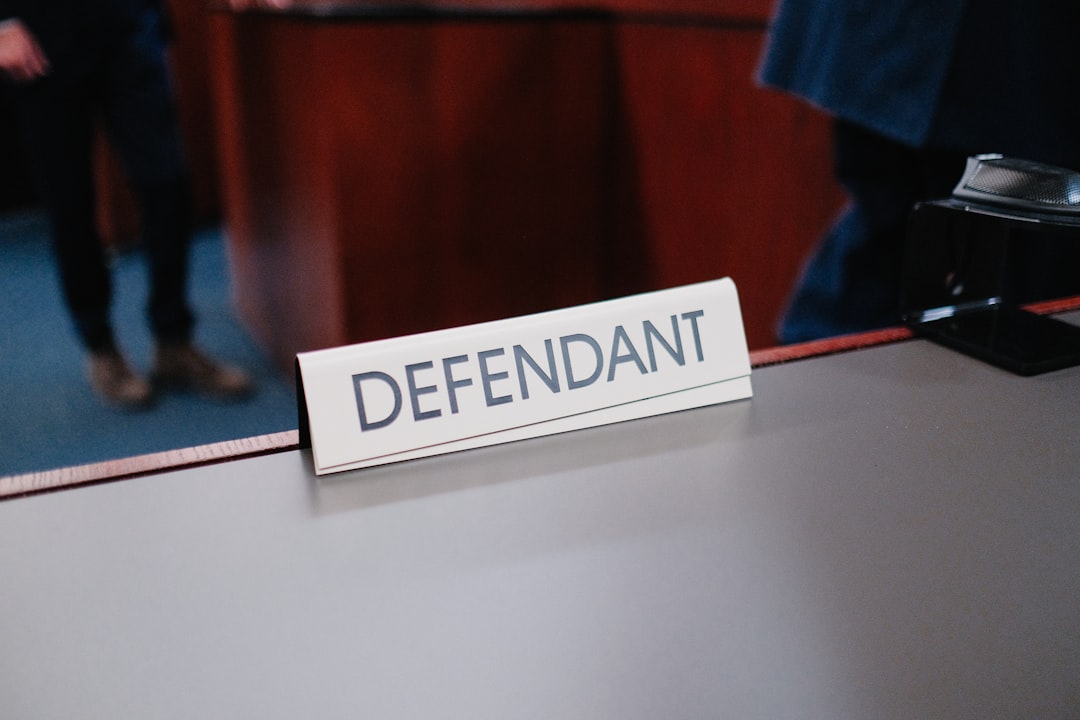
A Las Vegas jury has found former gang leader Duane 'Keffe D' Davis guilty of the 1996 murder of hip-hop icon Tupac Shakur, a verdict that closes one of the most closely watched cold cases in American popular culture.
Davis, a former leader of a Compton-based street gang, was convicted after a trial that revisited the September 1996 shooting that killed Shakur at age 25. The trial, held in Las Vegas more than a quarter century after the rapper's death, drew national attention from fans and legal observers alike.
For Atlanta, a city whose own hip-hop scene has grown into a global force, the conviction carries particular resonance. Shakur's lyrical honesty, cinematic storytelling and social commentary have influenced generations of Atlanta artists, producers and fans. The city's thriving music culture — from trap to conscious rap — has repeatedly drawn on the themes Shakur helped popularize, including resilience, systemic injustice and Black excellence. From the city's vibrant street art that honors Shakur to late-night radio tributes on stations like V-103, the rapper's presence remains woven into Atlanta's cultural fabric. The verdict was met with a mix of relief and reflection across the metro area, where fans gathered at local venues to watch news coverage and share memories.
The case against Davis had been years in the making. Prosecutors presented evidence that linked him to the shooting, though details of the legal proceedings were not immediately available. The conviction marks a rare moment of accountability in a case that for decades remained unsolved, leaving fans without legal closure even as Shakur's music continued to sell millions of records and inspire new artists across the country.
Shakur's influence on Atlanta's cultural landscape is undeniable. The city's annual music festivals, tribute performances and academic discussions of hip-hop history frequently center his work. For many Atlanta residents, the verdict is not just a news item from Nevada — it is a long-awaited acknowledgment of a loss that shaped the soundtrack of their lives.
Supporters of criminal justice reform have also noted the case's broader significance, pointing to the years of stagnation before the trial and the complexities of prosecuting cold cases involving gang violence. The Atlanta chapter of several civic and cultural organizations has described the verdict as a step toward closure for communities that have seen too many young Black men lost to violence.
Davis is expected to face sentencing in the coming weeks. The verdict does not erase the pain of Shakur's death, but it offers a measure of resolution for a generation that has kept his memory alive through murals, music and scholarship.
Originally reported by Al Jazeera — All News. Source: https://www.aljazeera.com/video/newsfeed/2026/9/1/09-01-26-tupac-murder-verdict-sv?traffic_source=rss