
Atlanta’s expanding network of Flock Safety automated license plate readers has drawn the attention of a civil rights group, according to a report by Atlanta News First. The summary, aggregated by Google News, did not specify which organization raised the questions or what specific aspects of the program they are challenging.
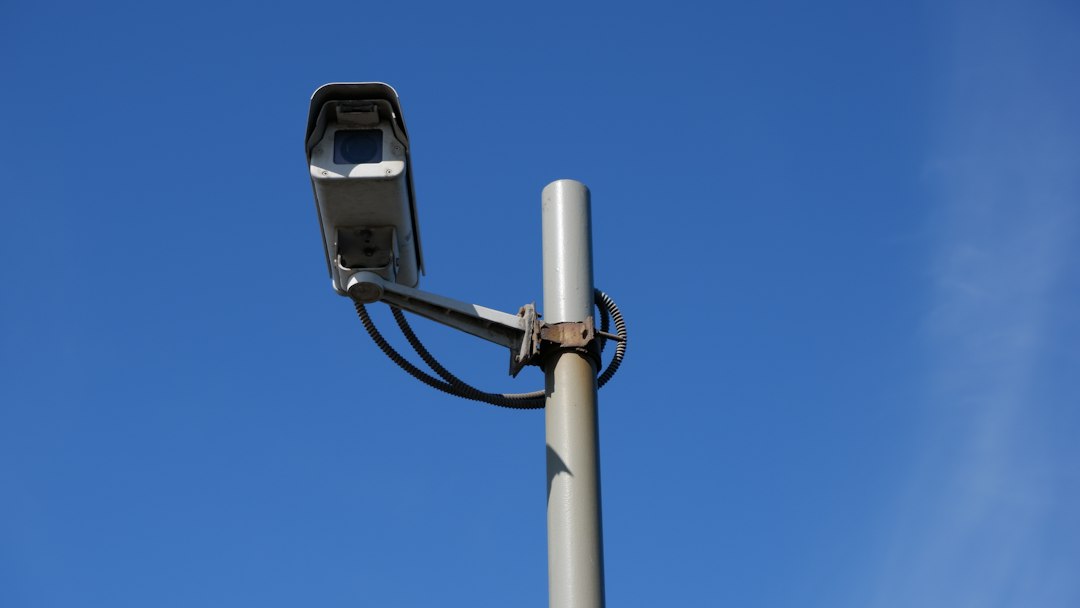
Flock Safety is a private company that sells automated license plate recognition cameras to police departments, homeowners associations, and municipalities. The cameras photograph the rear of passing vehicles and use software to read license plates, recording the time, date, and location of each vehicle. The data is then uploaded to a cloud-based system that law enforcement can search by plate number, vehicle type, or time frame. Flock has grown rapidly across metro Atlanta, with dozens of local agencies and neighborhoods adopting the technology in recent years.
Privacy advocates and civil liberties organizations have long voiced concerns about systems like Flock. One recurring question is whether the cameras amount to mass surveillance that tracks the movements of ordinary people who are not suspected of any crime. Another is how long the data is stored and who is allowed to search it. Flock has said its default retention period is 30 days, and that users must have a legitimate law enforcement purpose to query the database. However, critics argue that even short-term storage can create detailed patterns of a person’s daily life and that oversight is often lacking.
The Atlanta News First report did not include comments from city officials, the Atlanta Police Department, or Flock Safety. It is unclear whether the civil rights group has filed a formal complaint, issued a public letter, or simply raised questions through the media. The summary also did not indicate whether the questions are related to a specific incident, a data-sharing agreement, or the city’s broader surveillance policies.
Atlanta has wrestled with surveillance-related debates in the past, but the current story focuses narrowly on Flock cameras. The lack of detail in the initial report leaves many questions unanswered: Which civil rights group is involved? What exactly are they asking? Has the city responded? Will there be a public meeting or records request?
For now, the development signals that Atlanta’s use of Flock technology is coming under closer scrutiny. It also highlights the tension between using technology to reduce crime and protecting residents’ privacy. AtlantaStar will monitor the story and provide updates as more information becomes available.