
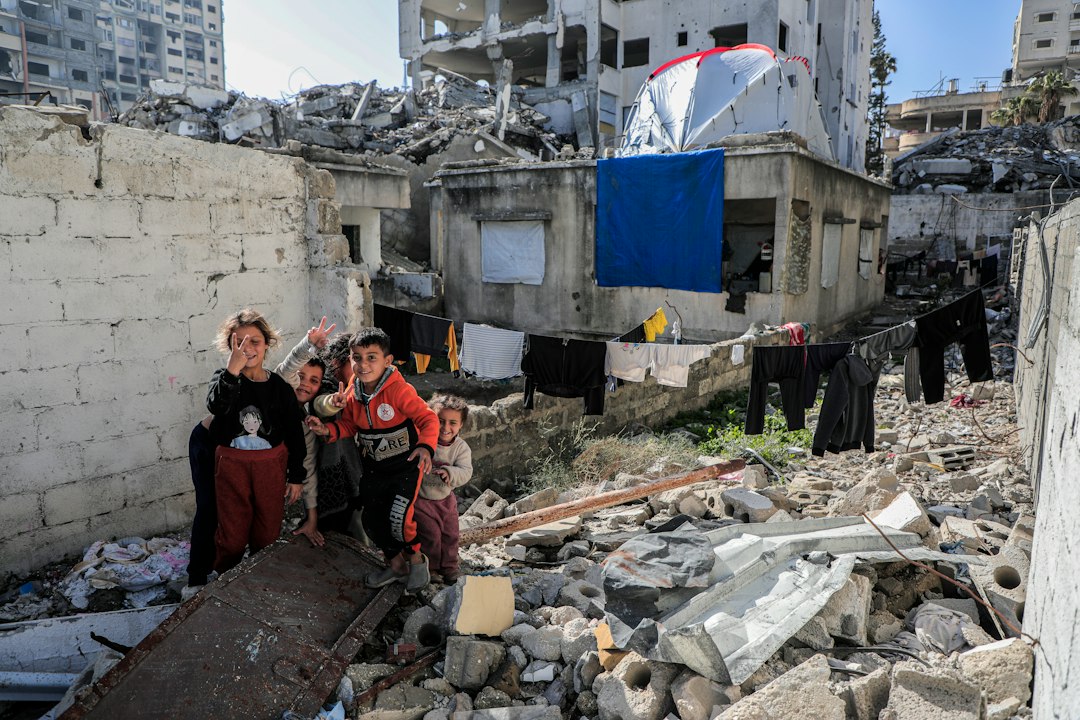
On the anniversary of a ceasefire agreement between Israel and Hamas, Israeli forces killed eight Palestinians, including a child, according to a report by Al Jazeera. The deaths serve as a grim reminder that the fragile truce has done little to stop the bloodshed in the Gaza Strip.
The ceasefire, brokered after months of devastating conflict, was intended to halt hostilities and allow for humanitarian relief. Yet violence has persisted, with repeated reports of Israeli military operations causing civilian casualties. Human rights organizations, including the United Nations, Amnesty International, and Human Rights Watch, have documented patterns of excessive force and violations of international law in Gaza and the occupied West Bank.
According to Al Jazeera, the eight killed included a child, though the report did not immediately specify the exact location or circumstances of the attack. Such incidents, however, fit a broader pattern of civilian harm that international observers have condemned. Children have been disproportionately affected by the conflict, facing death, injury, displacement, and psychological trauma.
For Palestinians in Gaza, the ceasefire anniversary is a painful marker of unfulfilled promises. The territory remains under a crippling blockade, with limited access to clean water, electricity, and medical care. Continued military operations have prevented families from rebuilding their lives. The killing of a child on this day underscores the urgent need for accountability and an end to impunity.
Under international humanitarian law, all parties to a conflict must take all feasible precautions to protect civilians. The repeated civilian casualties raise serious questions about compliance with these obligations and the need for independent investigations. The United States, as a major supplier of military aid to Israel, has faced criticism from human rights advocates who argue that unconditional support enables violations.
In Atlanta, a city with a diverse population and active social justice communities, the news resonates deeply. Local interfaith groups and Palestinian solidarity organizations have long called for an end to the violence and for U.S. leaders to condition aid on respect for human rights. As the death toll mounts, Atlanta residents may find renewed urgency in demanding that elected officials take concrete steps toward peace and accountability.
The killing of eight people, including a child, on the anniversary of a ceasefire is a stark reminder that diplomatic language does not protect lives. For those in Atlanta and beyond, the imperative to act—through advocacy, protest, and political pressure—remains as urgent as ever.