
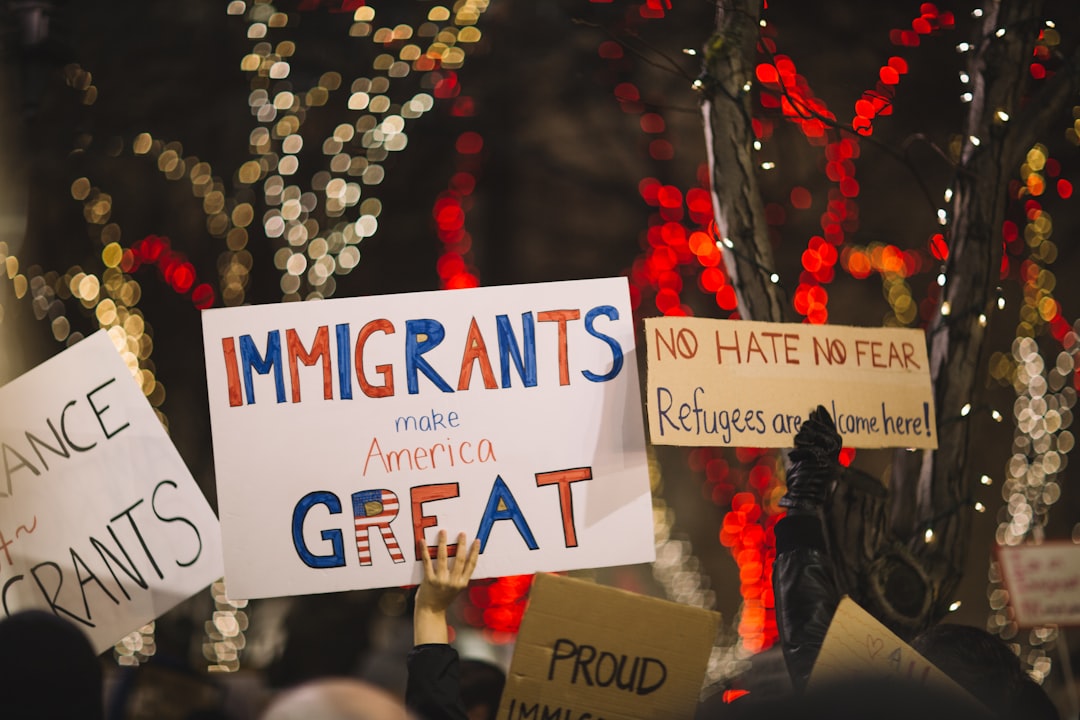
Community members gathered for a candlelight vigil outside an Immigration and Customs Enforcement office in Atlanta, according to a report from FOX 5 Atlanta. The gathering added to a growing list of demonstrations across metro Atlanta in which residents have used quiet, symbolic acts of assembly to draw public attention to federal immigration enforcement.
Candlelight vigils have become a recurring form of public expression in cities nationwide, and Atlanta is no exception. Unlike marches or rallies, vigils tend to emphasize solemnity over spectacle — participants often stand together holding candles, a format that organizers in many communities have adopted to signal both mourning and solidarity. The choice to hold such an event directly outside an ICE facility places that expression at the doorstep of the agency whose work is the subject of the demonstration.
Details released in the initial report were limited, and AtlantaStar was not able to independently confirm the number of participants, the organizing groups involved, or the specific concerns raised by those in attendance. What is clear is that the ICE office once again served as a focal point for residents seeking to make their voices heard on immigration policy.
For Atlanta, the vigil lands in a familiar context. Georgia has long been a significant site for immigration enforcement activity, and the region is home to a large and diverse immigrant population that includes long-established Latino, African, and Asian communities. Metro Atlanta's growth over the past two decades has been driven in substantial part by immigrant families who have put down roots in neighborhoods stretching from Buford Highway to Gwinnett, Cobb, and DeKalb counties. When enforcement actions ripple through those communities, the effects are felt in schools, workplaces, congregations, and local businesses across the metro area.
That backdrop helps explain why events centered on ICE tend to resonate widely in Atlanta. Faith leaders, immigrant-rights advocates, and neighborhood organizations here have historically been active on immigration questions, and public gatherings — whether vigils, prayer services, or protests — have served as visible markers of that engagement. For many participants, a candlelight vigil is as much about affirming community presence as it is about registering objection to any single policy.
The format itself carries a message. A vigil is, by design, peaceful and deliberate. It invites onlookers to slow down and consider the human dimensions of a debate that is often conducted in the abstract language of statistics and policy. Standing outside a federal office after dark, candles in hand, participants create an image intended to reach neighbors, passersby, and, increasingly, audiences following along on social media and local news.
What comes next for this particular effort is not yet known. Vigils are sometimes one-time observances tied to a specific event, and sometimes the opening note of a sustained campaign. In Atlanta, where advocacy networks are well organized and immigration remains a persistent civic concern, gatherings of this kind rarely stand entirely alone.
AtlantaStar will continue to follow local demonstrations and the broader conversation around immigration enforcement in Georgia. Readers with information about this vigil or related community events are encouraged to reach out.
Originally reported by Google News — Atlanta.