
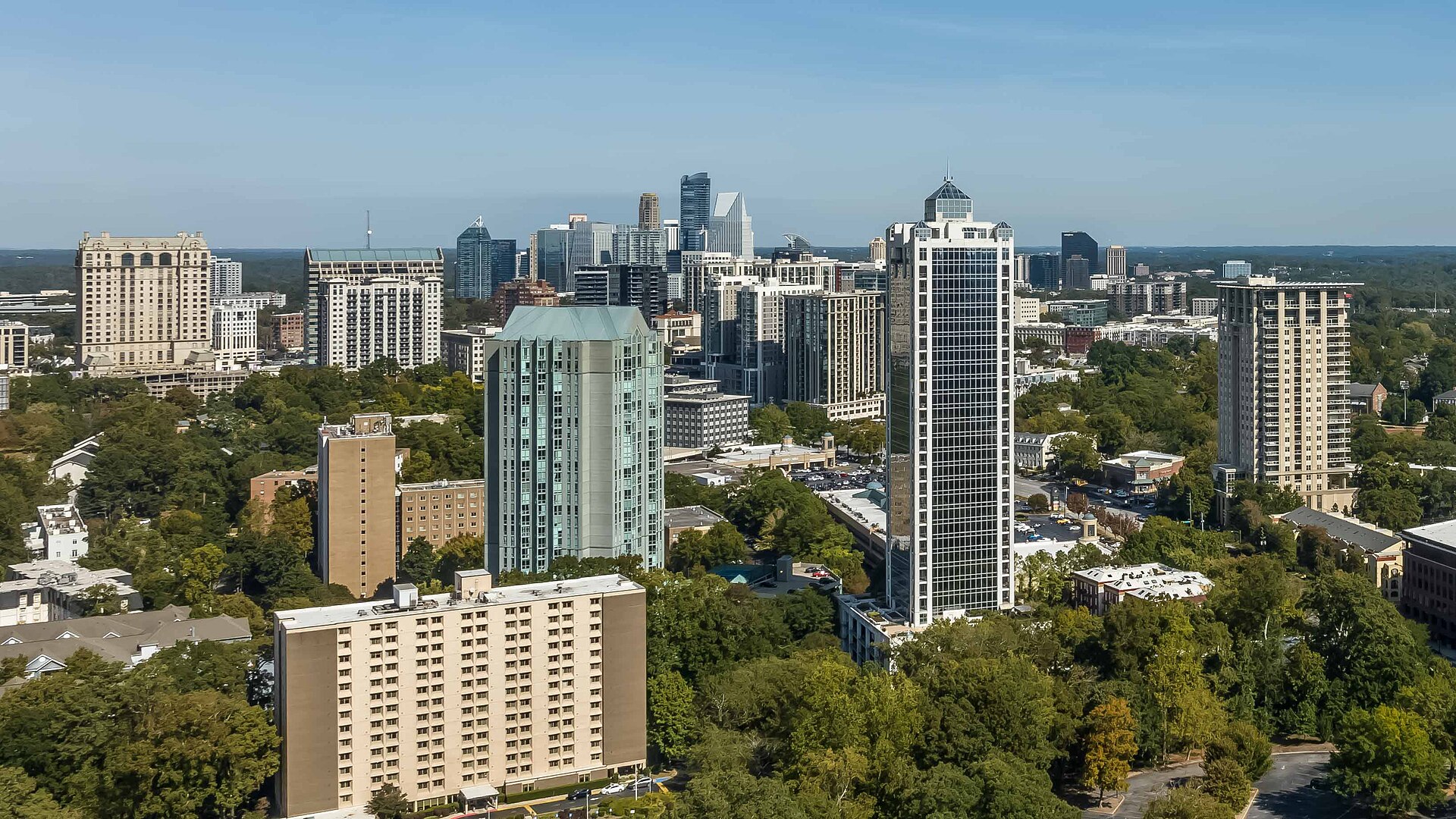
Atlanta continues to draw new residents from across the country, but recent data shows these newcomers are concentrating in specific zip codes throughout the metropolitan area, according to new research.
The patterns of where new Atlantans choose to settle reveal important trends about housing preferences, affordability, and neighborhood development across the city and surrounding suburbs.
While Atlanta has long been recognized as one of the fastest-growing cities in the Southeast, the distribution of new residents isn't uniform across all neighborhoods. Certain zip codes are emerging as particularly attractive to newcomers, driven by factors including housing costs, proximity to employment centers, and community amenities.
The data comes as Atlanta grapples with rapid population growth and its associated challenges, including housing affordability and infrastructure development. Understanding where newcomers are choosing to live provides insights into the evolving character of different Atlanta neighborhoods.
Real estate experts note that newcomer settlement patterns often reflect broader economic trends and can influence long-term community development. Areas experiencing high influxes of new residents typically see increased investment in local businesses, schools, and infrastructure.
The research highlights how Atlanta's appeal extends beyond the city limits, with suburban areas also attracting significant numbers of new residents seeking different lifestyle options and housing arrangements.
For city planners and community leaders, tracking these demographic shifts helps inform decisions about resource allocation, transportation planning, and economic development initiatives.
The newcomer data reflects Atlanta's continued status as a major destination for both domestic and international migration, driven by the city's robust job market, relatively affordable cost of living compared to other major metropolitan areas, and cultural attractions.
As Atlanta continues to grow, understanding these settlement patterns becomes increasingly important for maintaining community character while accommodating new residents and their diverse needs.
Originally reported by Google News — Atlanta