
The whistles have gone quiet, the crowds have dispersed, and Atlanta is taking a moment to look back on its chapter in the FIFA World Cup — a stretch of weeks that placed the city on one of the largest stages in international sport.
The Atlanta Journal-Constitution has published a retrospective on the city's World Cup experience, revisiting what it meant for Atlanta to serve as a host community for the sport's marquee event. For a metro area that has spent the last two decades building a reputation as a major-event destination, the tournament represented another milestone in a long campaign to be counted among the world's premier host cities.
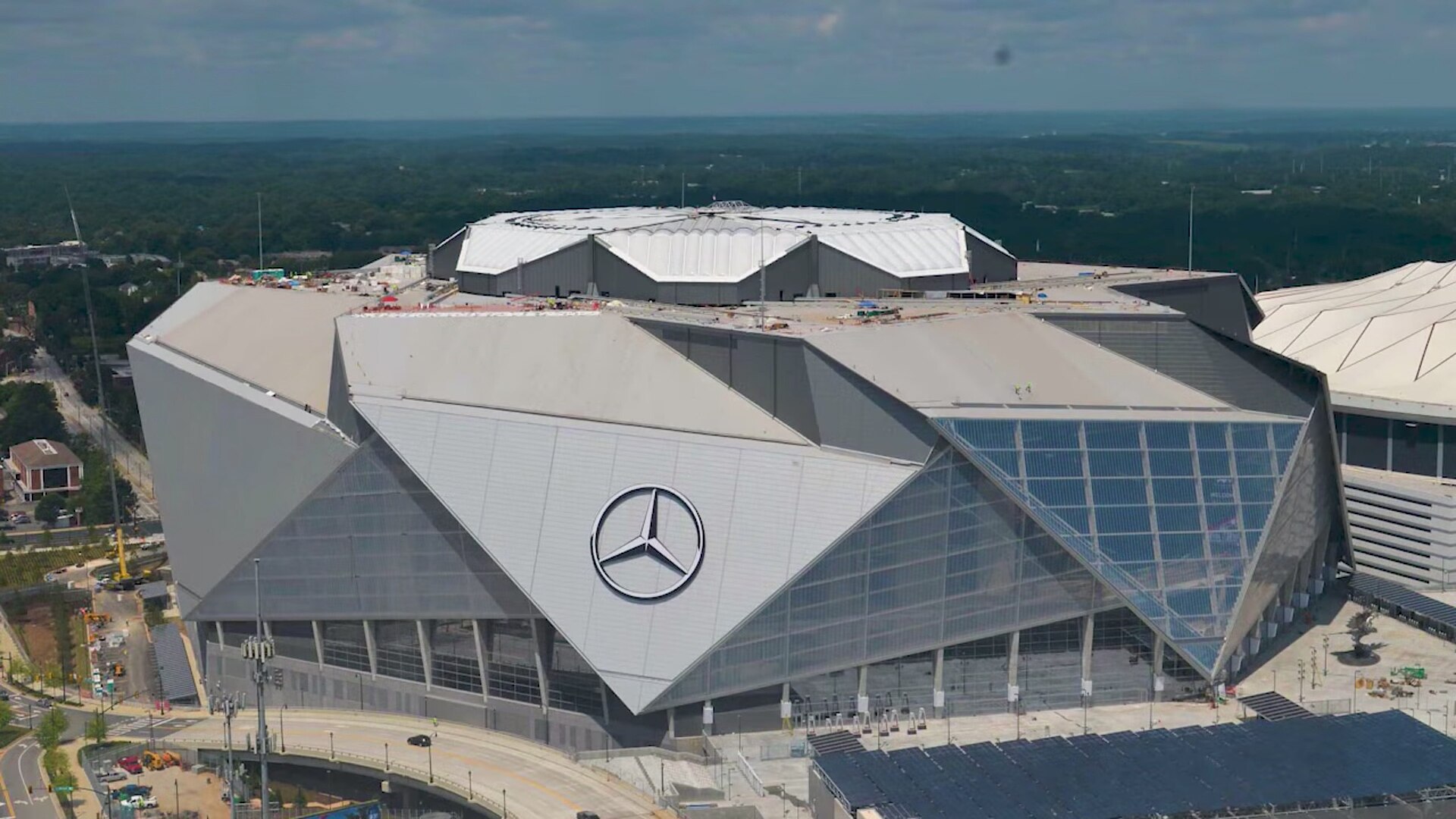
Atlanta's soccer story did not begin with the World Cup, but the tournament brought it into sharper focus. The city's downtown venue, Mercedes-Benz Stadium, has anchored Atlanta's pitch to global sports organizers since it opened, and the World Cup offered the latest and largest test of that ambition. The retractable-roof stadium, home to Atlanta United and the Atlanta Falcons, has hosted a college football national championship and a Super Bowl in recent years — a track record that made the region a logical fit for soccer's showcase.
For progressive Atlantans, the World Cup was always about more than the matches. Global tournaments arrive with real questions attached: who benefits, who bears the costs, and whether the promised economic windfall reaches neighborhoods beyond the stadium footprint. Those are the same questions Atlanta has wrestled with through every mega-event it has courted, from the 1996 Olympic Games onward. A look back is also an invitation to take stock — to weigh the civic pride and international attention against the demands placed on transit, housing, public safety and local budgets.
The city's transit and mobility systems were tested by the influx of visitors, a reminder of MARTA's central role in moving crowds through downtown and of the persistent gaps in a network that many residents say still falls short of a truly world-class city. Event weeks tend to expose both the strengths and the strains of Atlanta's infrastructure, and the World Cup was no exception.
There is also the cultural dimension. Atlanta is one of the most internationally connected cities in the American South, with immigrant communities from across Latin America, Africa, Asia and Europe who follow the sport with a devotion that predates any tournament. For many of those residents, the World Cup was a homecoming of sorts — a chance to see the game they grew up with celebrated in the streets and stadiums of their adopted city. Soccer's growing foothold in Atlanta, fueled in no small part by Atlanta United's passionate supporter culture, gave the event a local resonance that went beyond tourism figures.
Retrospectives like the AJC's serve a purpose beyond nostalgia. They document how a city rose to the occasion, where it stumbled, and what lessons carry forward to the next bid, the next crowd, the next global moment. Atlanta has made clear that it intends to keep competing for events of this scale, and each one becomes a data point in the case for — or against — that strategy.
What the World Cup ultimately meant for Atlanta will be measured in the months and years ahead: in whether the investments left lasting benefits, in whether the international goodwill translates into future opportunity, and in whether the city used the spotlight to advance the priorities of its residents and not just its boosters.
For now, the look back is a chance to remember the noise, the color and the sense that, for a few weeks, the eyes of the soccer world turned toward Atlanta.
Originally reported by Google News — World.